Emergency nutritional support is reaching Americans who depend on federal food assistance, encompassing approximately one million Washington residents.
Federal officials declared they would distribute diminished SNAP payments this month, responding to court mandates directing the government to continue program funding.
Beneficiaries will obtain merely half their standard allocation, with payment schedules remaining undetermined.
Agriculture Department officials intend distributing $4.65 billion nationally, representing 50% of typical monthly assistance.
Standard per-person monthly food support of $190 will shrink to $95 throughout November. Program continuity beyond this month remains questionable should governmental operations remain suspended through December.
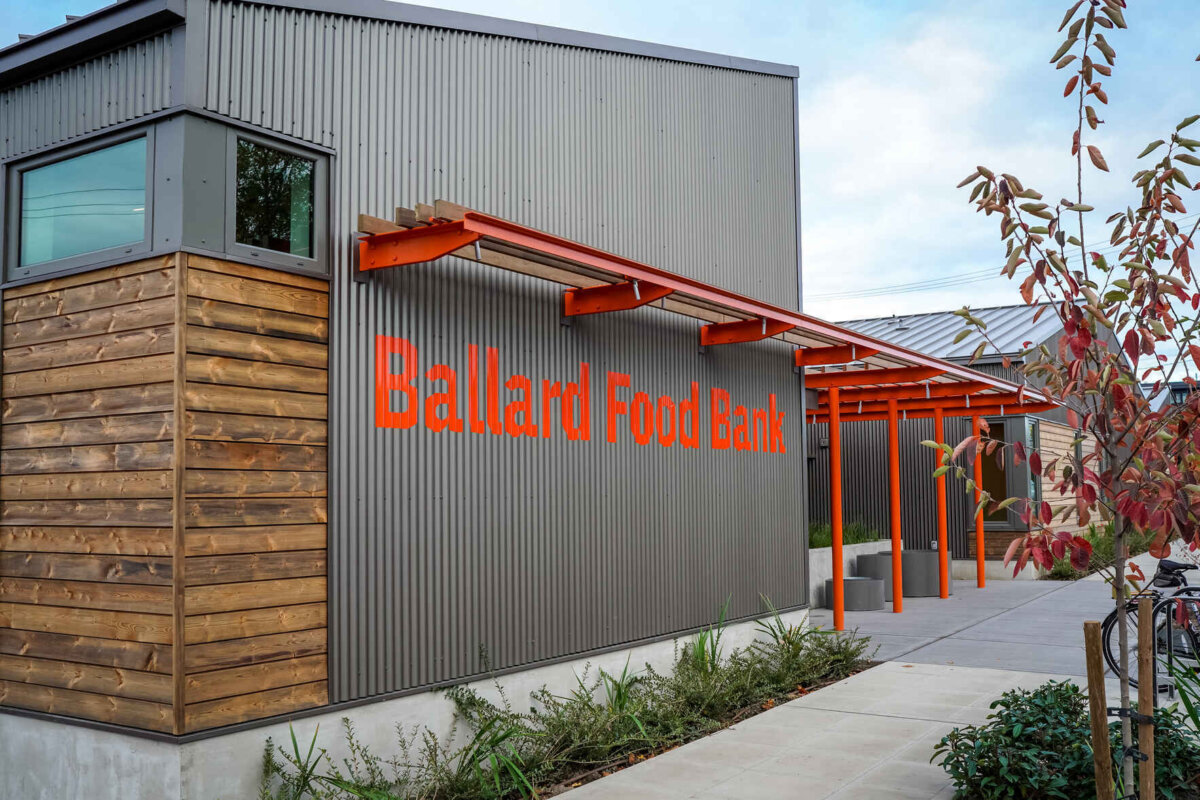
Ballard Food Bank faces critical supply shortages. Executive Director Jen explained, “That’s just 50% and we don’t know when that’s going to come.” Storage areas show empty spaces where inventory once stood, with the organization lacking funds for purchasing meat products. “I think cruel is the right word,” Jen stated. “Food is a basic human right. We should make sure every family has food.”
Katrina Riley, supporting children and grandchildren, articulated her family’s struggle: “It’s bad, it’s horrible. Survival, survival. You gotta survive. We need shelter, medical, we need food. We need the basics, at least give us the basics to survive.”
Governor officials have authorized exceeding $2 million in weekly allocations supporting Washington’s charitable food distribution network, while Seattle municipal authorities committed delivering up to $4 million monthly throughout November and December 2025 for nutritional assistance programs.
Circumstances prove especially difficult across rural Washington, where Yakima County reports 28% of the population depending on SNAP assistance, exceeding all other counties statewide.
The halved benefit distribution creating immediate household budget crises, with families already operating on razor-thin margins between grocery money and other essentials now forced to eliminate half their food purchases, skip meals, or sacrifice rent and utility payments to maintain adequate nutrition for children and vulnerable members.
The judicial intervention compelling partial payments demonstrating the constitutional separation of powers, with federal courts recognizing their authority to order executive branch agencies to fulfill statutory obligations to vulnerable populations even when political branches deadlock over budget disputes threatening to completely eliminate lifeline programs.
The unknown payment timing compounding the reduced amount stress, with the uncertainty preventing families from planning when they can shop for groceries, forcing them to deplete existing food stocks without knowing whether tomorrow or next week they’ll receive the inadequate but essential assistance enabling them to restock bare pantries.
The $4.65 billion national allocation representing enormous federal expenditure, with the multi-billion dollar figure sounding substantial yet proving woefully inadequate when distributed among tens of millions of SNAP recipients nationwide who collectively require double that amount to maintain the already-modest nutrition assistance the program typically provides.
The Agriculture Department’s role in administering SNAP reflecting the program’s historical origins, with food stamps initially created as agricultural policy supporting farmers by ensuring consumer demand for their products though the program’s contemporary purpose primarily focuses on preventing hunger among low-income families rather than supporting agricultural markets.
The $190 to $95 per-person monthly reduction illustrating the brutal mathematics, with recipients who struggled to afford adequate nutrition on approximately $6.33 daily now attempting to survive on $3.16 per day requiring extraordinary sacrifices eliminating protein sources, fresh vegetables, dairy products, and any foods beyond the cheapest starches providing calories without nutrition.
The December uncertainty creating planning impossibility, with families unable to determine whether they should seek emergency assistance from relatives, apply for additional charitable support, or desperately search for additional income sources when they don’t know whether the federal government will restore full benefits, continue half payments, or eliminate SNAP entirely next month.
Ballard Food Bank Executive Director Jen’s candid assessment revealing nonprofit sector desperation, with her willingness to publicly acknowledge empty shelves and inability to purchase meat demonstrating the crisis severity where organizations typically maintaining professional optimism now openly admitting they cannot meet community needs.
The 50% figure without distribution timeline encapsulating the dual failures, with the federal announcement providing neither adequate funding amounts nor reliable scheduling information leaving food banks unable to coordinate with recipients about when and how much supplemental assistance they might provide to bridge the gap between reduced benefits and actual food needs.
The empty shelves representing visible supply chain breakdown, with the bare food bank storage demonstrating that charitable donations cannot scale rapidly enough to compensate for the sudden doubling of demand from SNAP recipients who previously supplemented federal benefits with occasional food bank visits but now require regular assistance stretching nonprofit resources beyond sustainability.
The unaffordable meat purchases highlighting nutritional compromises, with protein sources being eliminated first when budgets tighten forcing families toward carbohydrate-heavy diets that fill stomachs without providing complete nutrition causing potential long-term health consequences especially for growing children and pregnant women requiring adequate protein for development.
The “cruel” characterization representing moral condemnation, with Jen’s direct language abandoning typical nonprofit diplomatic phrasing to clearly state that political decisions causing children and elderly to go hungry constitute cruelty regardless of budget justifications or policy disagreements motivating the governmental dysfunction.
The human right to food assertion invoking international law principles, with the framing elevating nutritional security beyond American political debates to universal human dignity standards where developed wealthy nations have moral obligations ensuring that government shutdowns don’t result in children experiencing malnutrition in one of history’s most prosperous societies.
Katrina Riley’s desperate testimony providing ground-level perspective, with the grandmother’s unscripted emotional response to her family’s crisis offering more authentic insight into SNAP reduction impacts than policy analysts’ abstract discussions about benefit adequacy or program sustainability.
The survival repetition revealing existential fear, with Riley’s emphasis on mere survival rather than quality of life demonstrating how quickly American families can descend from working-class stability into desperation when safety net programs falter leaving them choosing between food, housing, and medical care when all three constitute basic necessities.
The basics to survive plea articulating minimum threshold expectations, with the grandmother requesting not comfort or security but merely subsistence-level support enabling her family to obtain shelter, healthcare, and nutrition that constitute prerequisites for human dignity before considerations about education, employment, or advancement become relevant.
The governor’s $2 million weekly commitment totaling approximately $8-9 million monthly demonstrating substantial state intervention, with the emergency allocation attempting to prevent complete food system collapse in Washington though the state resources likely prove insufficient to fully replace the missing federal dollars that historically constituted the majority of food assistance funding.
The Seattle’s municipal $4 million monthly allocation showing local government stepping into federal void, with the city’s unprecedented commitment to food assistance recognizing that state resources alone cannot prevent widespread hunger requiring municipal taxpayers to fund programs traditionally financed by federal income taxes creating regressive burden where local property and sales taxes support nutrition programs.
The November-December timeframe limiting relief duration, with the two-month commitment reflecting either budget constraints where cities cannot sustain such expenditures indefinitely or optimistic assumptions that federal government will resolve dysfunction by January though political realities suggest shutdowns could extend far longer.
The food assistance program designation suggesting flexible implementation, with the broad characterization potentially encompassing direct benefit supplements, food bank support, meal program funding, or emergency grocery vouchers providing municipalities discretion about most effective distribution methods for reaching food-insecure residents.
The rural Washington’s amplified challenges reflecting infrastructure disparities, with agricultural regions experiencing the bitter irony of producing the nation’s food while containing the state’s highest concentrations of food insecurity due to seasonal employment, low wages, limited transportation, and sparse charitable infrastructure unable to match urban food banks’ resources.
The Yakima County’s 28% SNAP dependency rate representing extraordinary vulnerability, with more than one-quarter of Central Washington agricultural county residents relying on federal nutrition assistance demonstrating how regions producing food paradoxically experience highest hunger rates due to the low wages and seasonal instability characterizing farm labor employment.
The statewide highest proportion designation emphasizing geographic inequality, with Yakima’s top ranking for SNAP reliance meaning that federal benefit reductions inflict disproportionate harm on agricultural communities already struggling with poverty rates far exceeding Washington’s prosperous urban technology centers where wealth concentrates among educated professionals.