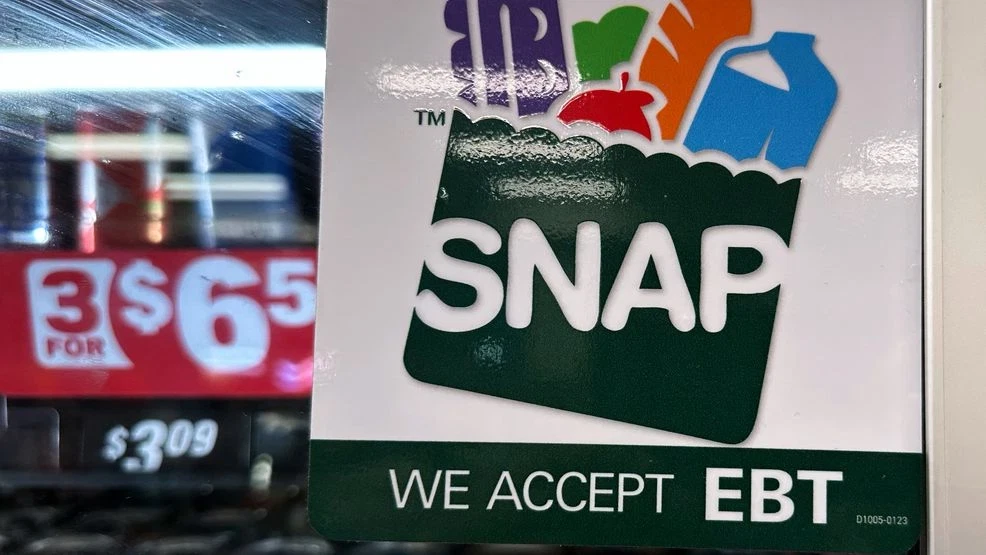
November food assistance benefits began reaching Washington state residents on Thursday, with distribution continuing through the week according to the Washington State Department of Social and Health Services.
By Friday afternoon, more than 250,000 households had received their complete November food assistance payments, DSHS reported.
Washington state administers SNAP benefits to more than 500,000 households statewide.
In a Friday statement, Governor Bob Ferguson acknowledged that the programme’s future remains unclear despite this month’s successful distribution.
“So far, households that were scheduled to receive their monthly benefits between 1 November and 7 November have received 100 percent of their SNAP benefits for November. That is more than 250,000 households across Washington. At this time, the remaining beneficiaries are expected to receive the entirety of their November food assistance on the date when those funds are typically issued. However, the Trump Administration immediately asked the Court of Appeals to put the federal court’s decision on hold. The appeals decision is pending. In short, the future of these benefits remains uncertain,” Ferguson stated.
The benefit distribution proceeds based on a current court order. The federal government has filed an appeal challenging that order, which remains pending judicial review, DSHS indicated.
Households qualifying for November federally funded food benefits and state-funded food assistance benefits should observe funds loaded onto their cards according to their usual issuance schedules, officials confirmed.
DSHS is working to notify households expeditiously that their complete November food benefits are being distributed. The agency also stated, “While we cannot predict what may happen in December, we will share information as soon as it is available on our website.”
The successful November distribution provides temporary relief for hundreds of thousands of Washington households facing food insecurity, yet the pending federal appeal creates anxiety about whether similar full payments will continue in subsequent months. This uncertainty forces families to navigate short-term planning horizons when budgeting for basic nutritional needs.
The staggered benefit distribution system, where different households receive payments on different dates throughout the month, aims to reduce strain on grocery retailers and prevent overwhelming demand on specific days. Spreading issuance across multiple dates helps ensure adequate food supplies remain available and checkout lines remain manageable.
The 250,000 households receiving benefits between 1 November and 7 November represent approximately half of Washington’s total SNAP recipient population. The remaining households should receive their November benefits according to their assigned issuance dates later in the month, assuming court orders remain unchanged.
SNAP benefits, formally known as the Supplemental Nutrition Assistance Program, constitute a federal nutrition assistance programme administered by states. The federal government funds the benefit amounts whilst states manage application processing, eligibility determination, and benefit distribution through Electronic Benefit Transfer cards.
The programme serves as a crucial safety net for low-income individuals and families, elderly residents living on fixed incomes, and people with disabilities unable to work. Benefits help recipients afford adequate nutrition, freeing limited incomes for other essential expenses including housing, utilities, and medical care.
The legal uncertainty stems from ongoing disputes between the Trump administration and states over benefit distribution during periods when federal appropriations lapse or face restrictions. Federal courts have issued orders requiring continued benefit provision, recognising the severe hardships that benefit interruptions impose on vulnerable populations.
The Trump administration’s appeal to overturn the court order reflects its position on benefit administration during government funding disputes. The administration argues that without specific congressional appropriations, agencies lack authority to distribute benefits even if previously appropriated funds remain available.
Washington state, along with other states and advocacy organisations, contends that benefit recipients should not bear consequences of federal appropriations disputes. They argue that legal mechanisms and available funds permit continued benefit distribution regardless of broader congressional budget impasses.
The pending appeal before the Court of Appeals introduces uncertainty affecting not just November’s remaining benefit distributions but also December and potentially subsequent months. Recipients planning monthly food budgets face difficult decisions about whether to assume full benefits will continue or to prepare for potential reductions or delays.
Food banks and emergency food providers across Washington have prepared for potential surges in demand should SNAP benefit distributions face disruption or reduction. These organisations typically experience increased need when government nutrition assistance programmes face interruptions, though their capacity cannot fully substitute for the scale of SNAP benefits.
Governor Ferguson’s acknowledgment of uncertainty reflects state officials’ recognition that factors beyond their control may affect benefit availability. Whilst states administer SNAP, they depend on federal funding and operate under federal regulations that limit their discretion in many areas.
The DSHS website commitment to share information as soon as it becomes available provides recipients with a resource for monitoring developments. However, the inherently unpredictable nature of pending litigation means the agency cannot provide definitive assurances about future months.
The situation illustrates tensions inherent in federal programmes administered by states. States maintain direct relationships with beneficiaries and observe immediate local impacts of programme disruptions, whilst federal agencies make policy decisions affecting programmes nationwide based on different considerations.
Advocacy organisations representing SNAP recipients have emphasised the programme’s importance for preventing hunger and the documented health consequences of food insecurity, particularly for children and elderly individuals. They argue that benefit disruptions create public health risks that extend beyond immediate hunger to include chronic disease management complications and developmental impacts on children.
Retailers, particularly grocery stores serving low-income communities, also have economic interests in SNAP benefit continuity. The programme channels billions of dollars annually into food purchases, supporting not just recipients but also the businesses where they shop and the agricultural and food processing sectors supplying those retailers.