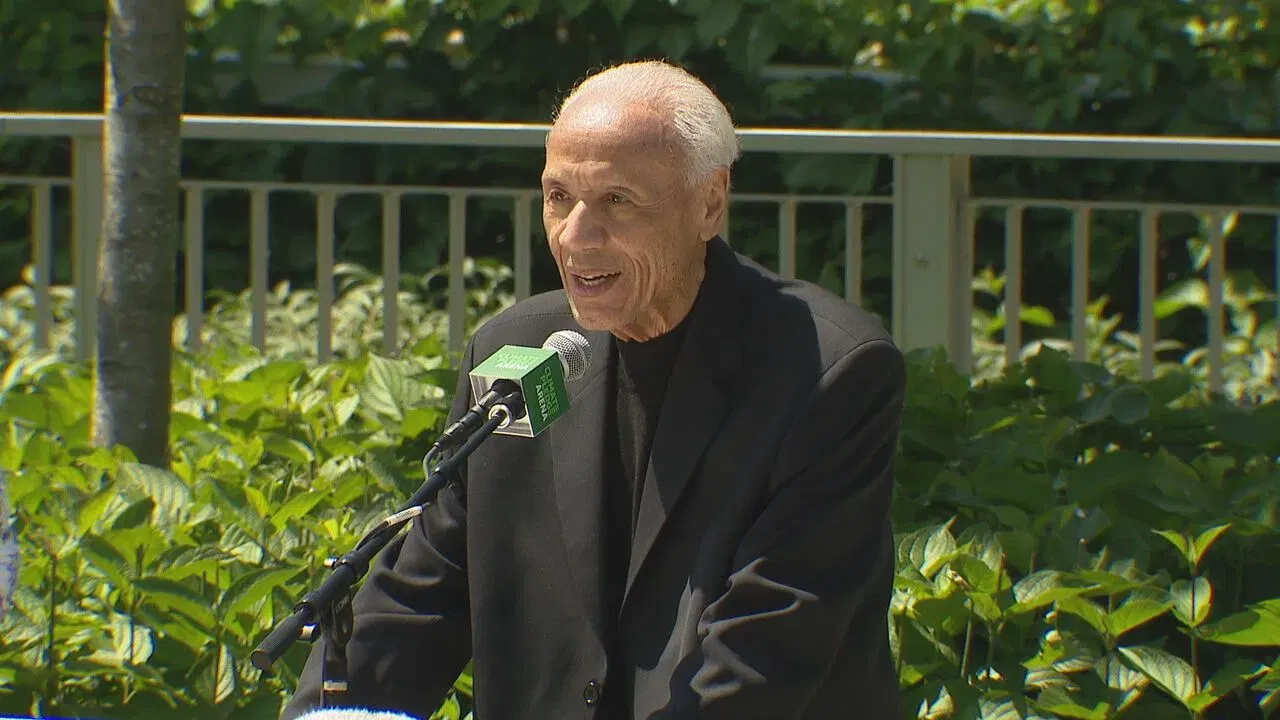
Lenny Wilkens, one of basketball’s most revered figures whose impact on the game spanned more than five decades as both player and coach, and who dedicated countless hours to volunteer work benefiting Seattle’s children, died on Sunday. He was 88.
His family stated he died peacefully at home, surrounded by loved ones.
This past June, he received the honour of the first statue installed outside Climate Pledge Arena in Seattle, a building that borders a street bearing his name.
Born on 28 October 1937 in Brooklyn, New York, Wilkens quickly established himself as a gifted athlete. Following an outstanding college career at Providence College, he entered the NBA in 1960, beginning a playing career that would earn him nine All-Star selections. Known for his composed leadership and exceptional court vision, he became one of the league’s premier point guards, leaving an indelible mark on every team he joined.
Wilkens transitioned into coaching whilst still an active player, a rare achievement that underscored his profound understanding of the game. Over a coaching career spanning more than 30 years, he accumulated 1,332 wins, holding the record as the winningest coach in NBA history at the time of his retirement. He led the Seattle SuperSonics to their first and only NBA championship in 1979 and also guided the Cleveland Cavaliers, Atlanta Hawks, and other teams with a philosophy rooted in teamwork, intelligence, and integrity.
Beyond statistics, Wilkens was celebrated for his mentorship and the relationships he cultivated with players, colleagues, and communities. He was a nine-time NBA All-Star as a player and a seven-time All-Star as a coach, earning induction into the Naismith Memorial Basketball Hall of Fame three times: as a player in 1989 and as a coach in 1998, testament to his singular influence on the sport. He was also inducted for his role on the 1992 Dream Team, which entered the hall in 2010.
Wilkens’ legacy extended beyond the court. He was known for his generosity, humility, and commitment to using his platform to benefit others, inspiring generations of players and fans alike. He spent years leading the Lenny Wilkens Foundation, hosting annual galas and golf tournaments to raise funds for the Odessa Brown Children’s Clinic in Seattle. In numerous interviews, Wilkens emphasised how important he felt it was to improve the community for children. In recent years, he volunteered at numerous basketball camps for Rise Above, supporting and empowering native youth.
He is survived by his wife of 63 years, Marilyn, three children, and seven grandchildren.
Several prominent basketball and Seattle figures released statements following Lenny’s death.
NBA Commissioner Adam Silver issued the following:
“Lenny Wilkens represented the very best of the NBA, as a Hall of Fame player, Hall of Fame coach, and one of the game’s most respected ambassadors. So much so that, four years ago, Lenny received the unique distinction of being named one of the league’s 75 greatest players and 15 greatest coaches of all time.
“But even more impressive than Lenny’s basketball accomplishments, which included two Olympic gold medals and an NBA championship, was his commitment to service, especially in his beloved community of Seattle where a statue stands in his honour. He influenced the lives of countless young people as well as generations of players and coaches who considered Lenny not only a great teammate or coach but also an extraordinary mentor who led with integrity and true class.
“I send my heartfelt condolences to Lenny’s wife, Marilyn; their children, Leesha, Randy and Jamee; and all those throughout the NBA community who were fortunate to be touched by Lenny’s leadership and generosity.”
On social media, former governor Jay Inslee stated:
“No athlete has been so loved, by so many, from so many quarters of our community, as Lenny Wilkens. What a gift to us, on and off the court.”
Mayor Bruce Harrell released the following statement:
“I am deeply saddened by the passing of Lenny Wilkens, a trailblazing Seattle icon and legendary figure in the history of basketball. One of the most accomplished and respected individuals in professional sports, Lenny broke down barriers to become the second Black coach in NBA history. He opened the door for other athletes and coaches to follow, modelling a standard of excellence through his humility and grace.
“Lenny was more than just a championship coach and basketball legend – he was a community hero who made it his life’s mission to uplift and empower others. His philanthropic work with the Lenny Wilkens Foundation has benefitted thousands of youth and families in our region, testament to his compassion and generosity.
“Lenny was generous with both his time and with his kindness. From the moment I met him, Lenny quickly became a personal friend and a mentor. I’ve always felt incredibly honoured to have been able to spend time with him and to learn from him, and I know there are so many others who feel the same way.
“Seattle will always remember Lenny for his tenacity, strength, and the legacy he built both on the court and in our community. My condolences are with his family, loved ones, and everyone he knew and inspired.”
The passing of Wilkens marks the end of an era for Seattle basketball and the broader sports community. His influence stretched far beyond the wins and championships that defined his professional accomplishments, touching the lives of countless individuals who benefited from his mentorship, philanthropy, and unwavering commitment to community service.
Wilkens’ path from Brooklyn to basketball immortality reflected the opportunities that sports provided for talented young people in mid-20th century America. His success at Providence College opened doors to professional basketball at a time when the league was still developing its identity and expanding its reach.
His playing style, characterised by intelligence and leadership rather than flashy athleticism, made him a natural transition to coaching. The ability to serve simultaneously as player and coach demonstrated rare versatility and basketball IQ that few possessed. This dual role allowed him to implement his vision whilst still contributing on the court.
The 1979 championship with the SuperSonics remains a defining moment in Seattle sports history, representing the city’s only major professional basketball title. That achievement cemented Wilkens’ status as a Seattle sports icon, a position he maintained through decades of continued community engagement long after his coaching career concluded.