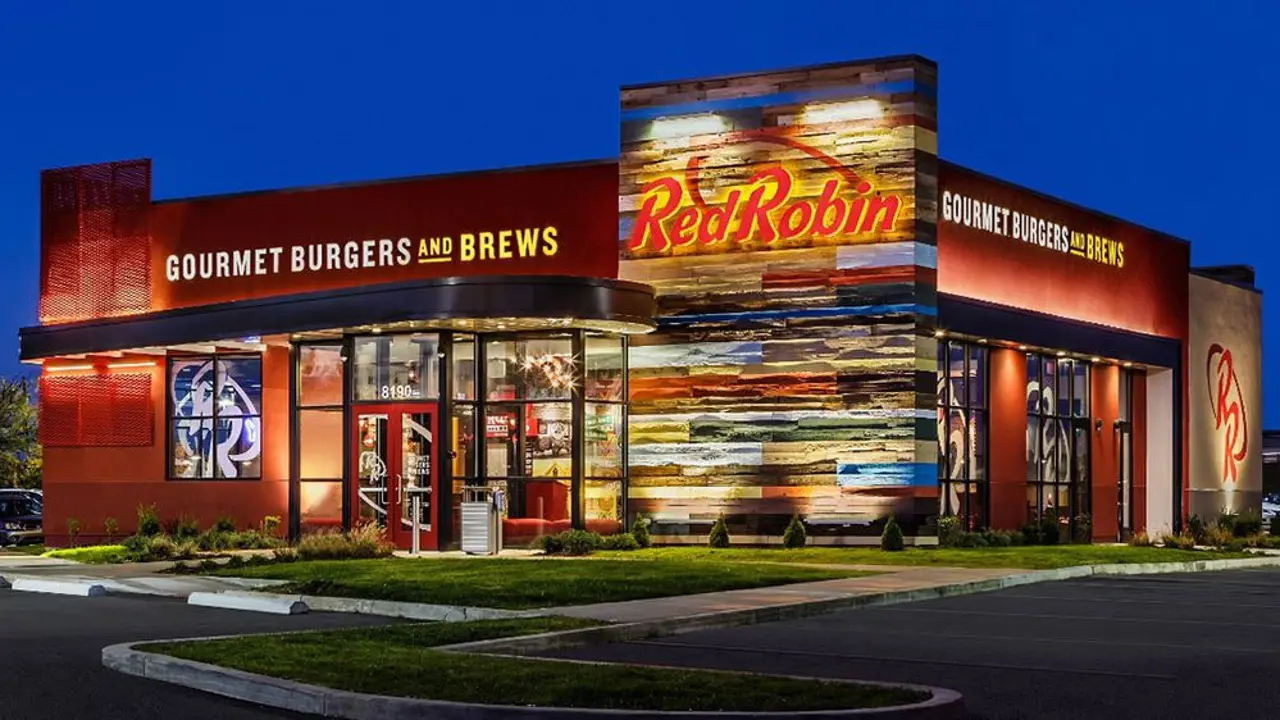
As Red Robin, a national casual dining chain specialising in burgers, confronts financial challenges, 70 locations will close over the next five years, including 10 to 15 restaurants in 2025.
“During the fourth quarter of fiscal 2024, the Company closed one restaurant location upon expiration of the lease and is evaluating alternatives for approximately 70 underperforming restaurant locations, including closure upon expiration of the current lease term,” the company stated in its fourth-quarter earnings release.
The chain has not publicly identified the specific locations in official disclosures.
There are 31 Red Robin restaurants across Washington, including locations in Kent, Olympia, Seattle, Spokane, Tacoma, Vancouver, Wenatchee, and Yakima.
Red Robin has identified 70 of its 498 locations as “underperforming,” contributing to an overall operating loss of approximately $6 million in 2024.
By waiting for leases to expire, Red Robin anticipates its financial difficulties will be mitigated by closing these restaurants over the next five years.
As of 2025, Red Robin has generated overall income of $5.2 million, representing a $24.2 million increase compared to the previous year. The chain paid off $20.3 million of its debt after borrowing more than $100 million under its credit facility.
“The company reported significant improvements in labour cost efficiency and guest satisfaction scores,” according to financial analysis. “These operational changes have been positively received by guests, indicating a successful strategy in enhancing customer experience.”
The planned closures reflect broader challenges confronting casual dining chains that flourished during previous decades but now struggle to maintain relevance amidst shifting consumer preferences and intensified competition. Red Robin’s situation exemplifies how mid-tier restaurant brands face pressure from both fast-casual upstarts offering quick service at lower prices and upscale establishments providing premium experiences.
The identification of 70 locations as “underperforming” out of 498 total restaurants indicates approximately 14% of the chain’s footprint fails to meet profitability expectations. This concentration of struggling locations suggests either market-specific challenges in certain regions or systemic issues with site selection and operations that have produced consistent underperformance.
The company’s strategy to close locations upon lease expiration rather than terminating leases early demonstrates financial pragmatism. Breaking leases typically requires substantial payments to landlords for remaining lease obligations, whereas waiting for natural expiration eliminates these costs whilst allowing the company to extract remaining value from existing operations during the final months.
The five-year closure timeline spread across 70 locations averages to 14 closures annually, though the announced 10 to 15 closures in 2025 suggests front-loading of the consolidation strategy. This accelerated initial pace may indicate the most severely underperforming locations have leases expiring soon, or that the company prioritises quickly eliminating the biggest financial drags.
Washington’s 31 Red Robin locations represent approximately 6% of the chain’s total footprint. If closures were distributed proportionally across all markets, Washington might expect two to three closures over five years. However, real estate decisions rarely follow proportional distribution, and Washington locations could face more or fewer closures depending on individual performance metrics.
The cities hosting Washington Red Robin locations span diverse markets from major metropolitan areas like Seattle, Spokane and Tacoma to mid-sized cities like Olympia, Vancouver and Yakima, and smaller markets like Wenatchee. Performance likely varies considerably across these markets based on local competition, demographic patterns, and real estate costs.
The $6 million operating loss in 2024 across all locations indicates the underperforming sites contribute disproportionately to financial challenges. If 70 locations account for most losses whilst 428 locations remain profitable, eliminating the struggling sites should substantially improve overall profitability assuming corporate overhead and fixed costs can be redistributed or reduced.
The $5.2 million income reported for 2025 represents a significant turnaround from the previous year’s losses, with the $24.2 million year-over-year improvement suggesting operational changes and strategic initiatives are yielding financial benefits. This positive trajectory may reduce pressure to accelerate closures if the company can sustain improved performance.
The $20.3 million debt reduction whilst carrying more than $100 million in outstanding credit facility borrowing reflects efforts to deleverage the balance sheet. The ability to service debt whilst implementing restructuring suggests the company maintains sufficient cash flow to navigate the transition period.
The reported improvements in labour cost efficiency likely reflect multiple initiatives including staffing optimisation, wage management, scheduling efficiency, and potentially technology implementation that reduces labour requirements. Labour represents one of restaurants’ largest cost categories, making efficiency gains in this area particularly impactful for profitability.
Guest satisfaction score improvements indicate that operational changes have not sacrificed service quality, a critical concern when implementing cost reduction measures. Maintaining or improving customer experience whilst reducing costs represents the ideal outcome for operational initiatives, as it preserves revenue whilst expanding margins.
The positive guest reception to operational changes validates the company’s strategic direction. However, sustaining these improvements whilst closing 14% of locations and potentially making additional operational adjustments will require careful execution to avoid service deterioration that could reverse satisfaction gains.
Restaurant closures create localized economic impacts including job losses for employees, reduced foot traffic for adjacent retailers in shopping centres where restaurants are located, and elimination of dining options for communities, particularly smaller markets with limited alternatives. The human cost of restructuring extends beyond corporate financial statements to affect individuals and communities.