An incident in Tacoma has escalated into a homicide investigation following the death of a 2-year-old boy whose injuries authorities believe resulted from child abuse inflicted by the adult male responsible for his care.
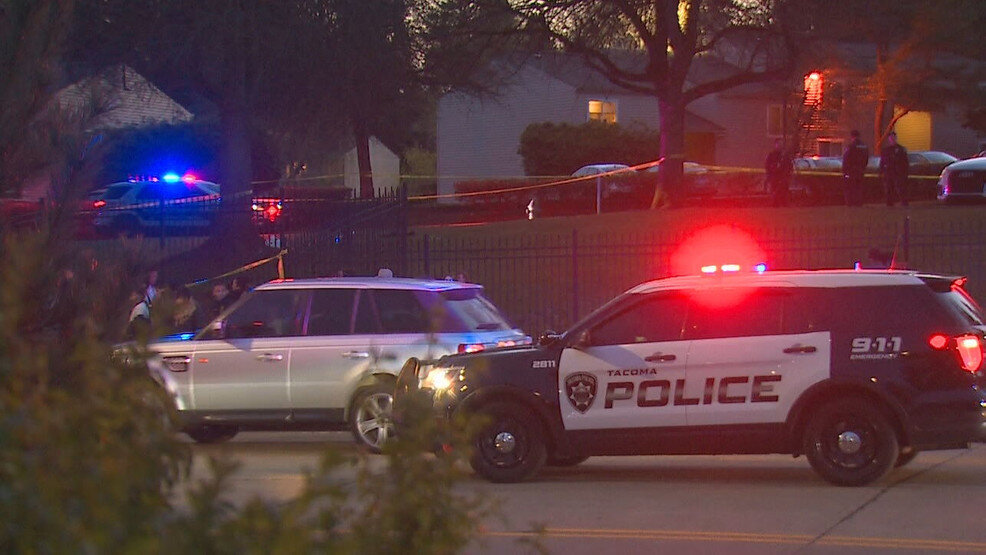
On 13 November, at approximately 10:20 a.m., Tacoma police officers were dispatched to the 000 block of St. Helens after the Tacoma Fire Department responded to a report of a child who was not breathing.
Upon arrival, officers began investigating possible child abuse after determining that the account provided by the adult male caring for the boy did not align with observations made by firefighters and officers at the scene. The discrepancies between the caregiver’s explanation and the physical evidence observed by first responders raised immediate suspicions about how the child sustained his injuries.
The toddler was transported to a local hospital for emergency medical treatment, and detectives initially arrested the adult male on suspicion of first-degree assault based on the severity of the child’s injuries and the inconsistencies in the caregiver’s statements. However, the case escalated from assault to homicide when the child died from his injuries on 19 November, six days after the initial emergency response.
Detectives are continuing to investigate the circumstances surrounding the incident, working to establish a complete timeline of events leading to the child’s death and to determine exactly what injuries the boy sustained and how they were inflicted. Authorities have not yet released the identity of the deceased child or the arrested adult, and formal homicide charges have not yet been filed pending completion of the investigation and autopsy results.
More information will be provided as the investigation progresses and additional details become available for public release.
The death of the 2-year-old boy represents another tragic case in what has become a persistent pattern of child abuse fatalities that claim the lives of dozens of Washington children annually, despite the existence of child protective services, mandatory reporter laws, and public awareness campaigns designed to identify and intervene in situations where children face abuse or neglect.
The six-day gap between the initial incident and the child’s death is not uncommon in severe child abuse cases, where injuries to the brain, internal organs, or other vital systems may cause death days or even weeks after the initial trauma. This delay complicates investigations as medical examiners must determine whether death resulted directly from the initial injuries, from complications that developed during treatment, or from other factors, a determination that carries significant legal implications for potential criminal charges.
The discrepancies between the caregiver’s account and first responders’ observations that prompted the initial child abuse investigation reflect the training firefighters, paramedics, and police officers receive to recognise signs of non-accidental trauma in children. These signs can include injury patterns inconsistent with the reported mechanism, injuries at different stages of healing suggesting repeated trauma, delays in seeking medical care, and explanations that do not match the severity or nature of injuries observed.
The initial arrest on first-degree assault charges indicates detectives believed from the outset that the child’s injuries were severe and intentionally inflicted, as first-degree assault in Washington requires proof that the perpetrator intended to cause great bodily harm. The upgrade to a homicide investigation following the child’s death will likely result in murder or manslaughter charges, depending on prosecutors’ assessment of the suspect’s intent and the specific circumstances of how the fatal injuries were inflicted.
An incident in Tacoma has escalated into a homicide investigation following the death of a 2-year-old boy whose injuries authorities believe resulted from child abuse inflicted by the adult male responsible for his care.
On 13 November, at approximately 10:20 a.m., Tacoma police officers were dispatched to the 000 block of St. Helens after the Tacoma Fire Department responded to a report of a child who was not breathing.
Upon arrival, officers began investigating possible child abuse after determining that the account provided by the adult male caring for the boy did not align with observations made by firefighters and officers at the scene. The discrepancies between the caregiver’s explanation and the physical evidence observed by first responders raised immediate suspicions about how the child sustained his injuries.
The toddler was transported to a local hospital for emergency medical treatment, and detectives initially arrested the adult male on suspicion of first-degree assault based on the severity of the child’s injuries and the inconsistencies in the caregiver’s statements. However, the case escalated from assault to homicide when the child died from his injuries on 19 November, six days after the initial emergency response.
Detectives are continuing to investigate the circumstances surrounding the incident, working to establish a complete timeline of events leading to the child’s death and to determine exactly what injuries the boy sustained and how they were inflicted. Authorities have not yet released the identity of the deceased child or the arrested adult, and formal homicide charges have not yet been filed pending completion of the investigation and autopsy results.
More information will be provided as the investigation progresses and additional details become available for public release.
The death of the 2-year-old boy represents another tragic case in what has become a persistent pattern of child abuse fatalities that claim the lives of dozens of Washington children annually, despite the existence of child protective services, mandatory reporter laws, and public awareness campaigns designed to identify and intervene in situations where children face abuse or neglect.
The six-day gap between the initial incident and the child’s death is not uncommon in severe child abuse cases, where injuries to the brain, internal organs, or other vital systems may cause death days or even weeks after the initial trauma. This delay complicates investigations as medical examiners must determine whether death resulted directly from the initial injuries, from complications that developed during treatment, or from other factors, a determination that carries significant legal implications for potential criminal charges.
The discrepancies between the caregiver’s account and first responders’ observations that prompted the initial child abuse investigation reflect the training firefighters, paramedics, and police officers receive to recognise signs of non-accidental trauma in children. These signs can include injury patterns inconsistent with the reported mechanism, injuries at different stages of healing suggesting repeated trauma, delays in seeking medical care, and explanations that do not match the severity or nature of injuries observed.
The initial arrest on first-degree assault charges indicates detectives believed from the outset that the child’s injuries were severe and intentionally inflicted, as first-degree assault in Washington requires proof that the perpetrator intended to cause great bodily harm. The upgrade to a homicide investigation following the child’s death will likely result in murder or manslaughter charges, depending on prosecutors’ assessment of the suspect’s intent and the specific circumstances of how the fatal injuries were inflicted.