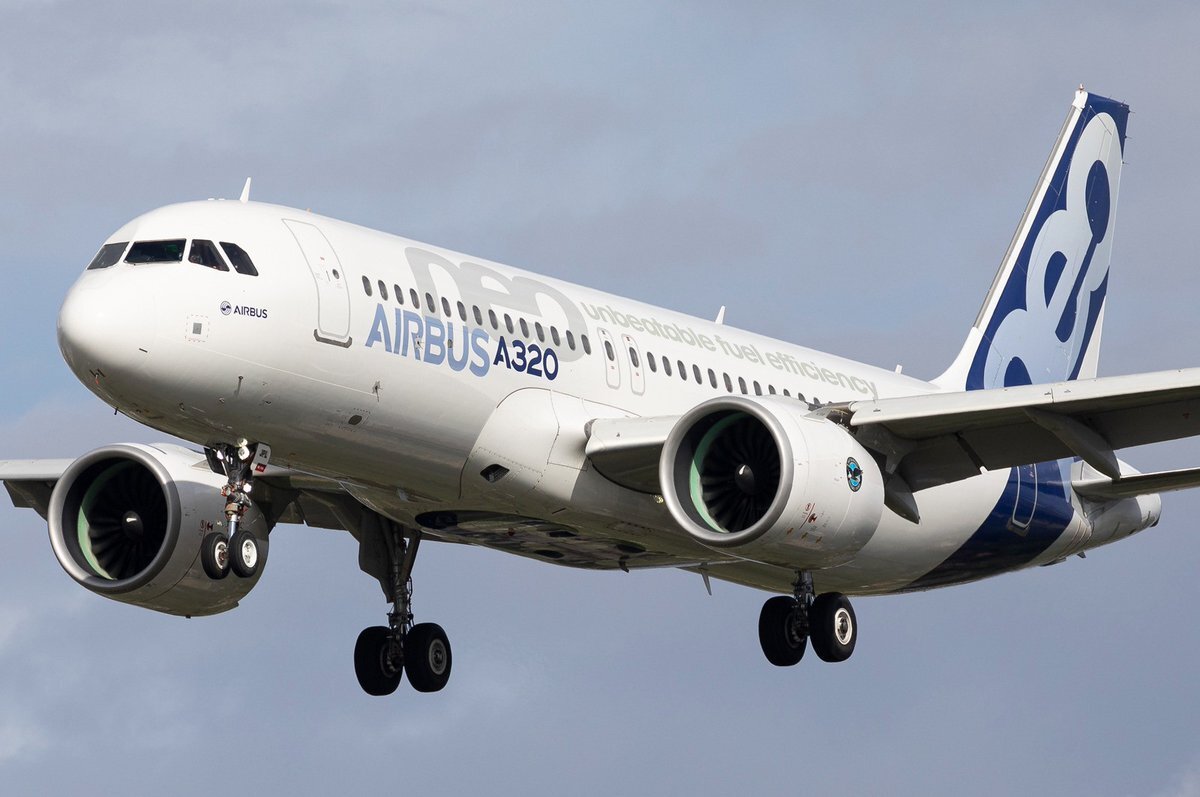
Airbus has directed operators to implement software fixes on approximately 6,000 A320 series aircraft following concerns that intense solar radiation could corrupt critical flight control data, a directive that has caused flight delays and cancellations worldwide.
The European aircraft manufacturer said it is taking action because “analysis of a recent event involving an A320 Family aircraft has revealed that intense solar radiation may corrupt data critical to the functioning of flight controls.”
Industry sources indicate the triggering event occurred on October 30 during a JetBlue flight traveling from Cancun, Mexico to Newark, New Jersey. The aircraft unexpectedly lost altitude during the flight, forcing pilots to divert and make an emergency landing in Tampa, Florida.
The Federal Aviation Administration has reportedly issued an emergency airworthiness directive requiring affected aircraft to revert to earlier software versions before resuming flight operations. A smaller subset of the fleet will require hardware replacements in addition to software changes, according to Airbus.
The scale of the directive, affecting 6,000 aircraft in the A320 family, has created significant operational challenges for airlines worldwide. The A320 series represents one of the most widely used aircraft families in commercial aviation, with thousands in service across hundreds of airlines on every continent.
Flight delays and cancellations have rippled through global air travel networks as airlines work to comply with the emergency directive. The requirement that aircraft receive software updates or hardware changes before flying has forced carriers to ground planes temporarily, disrupting schedules and stranding passengers.
The A320 family includes several variants including the A318, A319, A320, and A321 models. These narrow-body aircraft serve routes ranging from short domestic flights to transcontinental journeys, making them critical to airline operations worldwide.
Solar radiation effects on aircraft systems represent a recognized but relatively rare phenomenon. High-altitude flight exposes aircraft to increased levels of cosmic radiation and solar particles, particularly during periods of heightened solar activity. Modern aircraft include shielding and system redundancies designed to protect against such interference.
The fact that intense solar radiation could corrupt flight control data suggests a vulnerability in how certain systems process or validate information. Flight control computers rely on accurate data from multiple sensors to maintain safe operation, and corruption of this data could lead to erroneous commands or system malfunctions.
The October 30 JetBlue incident, which apparently triggered the broader investigation, involved a sudden altitude loss significant enough to require an emergency diversion. Such events are taken extremely seriously in aviation, prompting immediate investigation to determine root causes and whether the problem might affect other aircraft.
The connection between the incident and solar radiation would have required detailed analysis of flight data recorders, system logs, and environmental conditions at the time of the event. Correlating the timing of the malfunction with solar activity measurements would help establish causation.
Airbus’s decision to issue a fleet-wide directive rather than waiting for additional incidents demonstrates a precautionary approach prioritizing safety over operational convenience. Aircraft manufacturers face enormous pressure to identify and address potential safety issues quickly, given the catastrophic consequences that could result from system failures.
The requirement to revert to earlier software versions suggests that recent updates may have inadvertently created the vulnerability or that older software versions included protections that were removed or modified. Software management in aviation involves careful version control and extensive testing, making unintended vulnerabilities particularly concerning.
For the subset of aircraft requiring hardware changes, the timeline for returning to service will likely be longer. Hardware modifications require parts availability, maintenance scheduling, and more extensive testing compared to software updates that can sometimes be installed relatively quickly.
Airlines affected by the directive face difficult scheduling decisions. Grounding aircraft reduces available capacity, potentially requiring flight cancellations or consolidations. Passengers may experience delays, rebooking onto different flights, or in some cases significant disruptions to travel plans.
The global nature of the impact reflects the international deployment of A320 family aircraft. Major carriers in North America, Europe, Asia, and other regions operate these planes extensively, meaning the directive affects travel patterns worldwide.
Solar activity follows roughly 11-year cycles, with periods of heightened activity producing increased radiation, geomagnetic storms, and other phenomena that can affect technology on Earth and in space. Aviation authorities and aircraft manufacturers monitor these cycles and their potential impacts on flight operations.
The FAA’s emergency airworthiness directive carries the force of regulation in the United States, making compliance mandatory for aircraft operating in U.S. airspace. Similar aviation authorities in other countries typically adopt equivalent requirements, creating effectively global enforcement.
Airbus will likely face questions about how this vulnerability was not identified during the certification process for the affected software or hardware configurations. Aviation certification involves extensive testing under various conditions, though simulating every possible environmental scenario presents practical challenges.