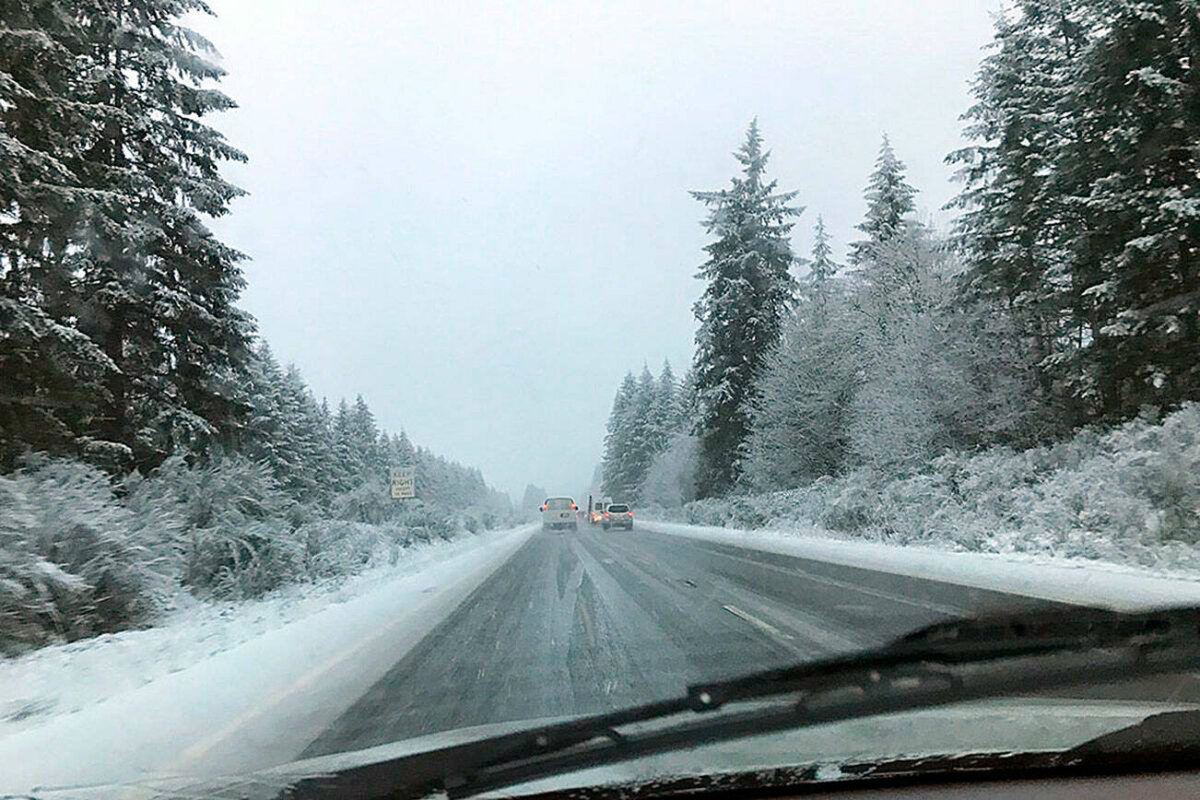
With a cold snap settling over western Washington, Kitsap County opened several severe weather shelters Friday night to provide refuge for people who might otherwise freeze on the streets.
The shelters are open from Friday, December 26, to Saturday, December 27, according to Kitsap County Emergency Management.
Three locations are providing overnight shelter:
Village Green Community Centre in Kingston at 26159 Dulay Road Northeast.
Port Orchard United Methodist Church in Port Orchard at 725 Kitsap Street.
Silverdale Community Church in Silverdale at 9982 Silverdale Way.
Hours of operation are from 6 p.m. to 7 a.m., except for the Kingston location, which operates from 6:30 p.m. until 6:30 a.m.
Kitsap County Emergency Management noted guests will not be able to check into the shelter after 9 p.m. If no guests have checked in by 9 p.m., that location will close for the evening.
Those needing transport to a shelter can ring 360-373-3000 to arrange for a ride before 8 p.m.
“Measures are taken at the shelters to prevent the spread of viruses, including COVID-19,” officials stated.
The Salvation Army in Bremerton is also offering shelter at 832 6th Street. Check-in is from 7 p.m. to 8:45 p.m. For more information, ring 360-649-6628.
Kitsap County Emergency Management stated severe weather shelters are open to anyone who needs a safe overnight refuge during hazardous weather conditions.
For more information about the Severe Weather Shelter Programme, ring 211.
The two-day operation from December 26 to 27 captures the immediate cold snap but doesn’t provide longer-term solutions for people experiencing homelessness who will face the same freezing temperatures beyond this weekend.
The 9 p.m. check-in deadline creates a difficult situation for people who might not learn about the shelters until later in the evening or who face transportation challenges getting to locations before the cutoff. The policy of closing locations with no guests by 9 p.m. makes operational sense but could leave someone arriving at 9:15 p.m. locked out.
The transport service ending at 8 p.m. gives people only a two-hour window to call for rides between 6 p.m. and 8 p.m. Those working evening shifts or facing other obligations might miss this narrow timeframe.
The three shelter locations spread across Kitsap County, from Kingston in the north to Port Orchard in the south, provide geographic coverage but also require people to travel potentially long distances. Someone experiencing homelessness in Poulsbo might face a long journey to reach Kingston.
The use of churches and community centres for emergency shelters represents common practice across Washington. These facilities have large open spaces, kitchen facilities, and often volunteer networks willing to help during emergencies.
The COVID-19 prevention measures mentioned likely include enhanced ventilation, mask availability, and spacing between sleeping areas. Congregate shelters during respiratory virus season create infection risks, but those risks are generally less dangerous than hypothermia from sleeping outdoors in freezing weather.
The December 26 opening date, the day after Christmas, means people experiencing homelessness spent Christmas night in the cold before these shelters opened. The timing suggests emergency management activates severe weather shelters based on specific temperature forecasts rather than maintaining them throughout winter.
The 6 p.m. to 7 a.m. hours provide 13 hours of shelter but send people back outside during daylight hours regardless of daytime temperatures. This “night-only” model is common for severe weather shelters but means people must find daytime warming centres or other refuges.
The Salvation Army’s separate operation in Bremerton with different hours (7 p.m. to 8:45 p.m. check-in) adds complexity for people trying to navigate options. The even narrower 1 hour and 45 minute check-in window creates additional barriers.
The 211 number mentioned for more information represents the statewide information and referral service that connects people with social services. Having a single number to call simplifies access to information about available resources.