A Department of Social and Health Services employee opened an envelope Friday afternoon, saw something that alarmed them, and called 911 believing the letter might contain toxic materials.
What followed was a multi-agency response involving hazmat crews, bomb squad technicians, FBI agents, and postal inspectors that shut down part of Capitol Hill for hours whilst specialists determined whether anyone had been exposed to dangerous substances.
The incident began at about 2 p.m. when patrol officers responded to reports of a suspicious package received at the Washington State Department of Social and Health Services in the 1700 block of East Cherry Street in Capitol Hill, according to Seattle police.
A DSHS employee called 911 after receiving a suspicious envelope and believed the letter may have contained toxic materials, police said.
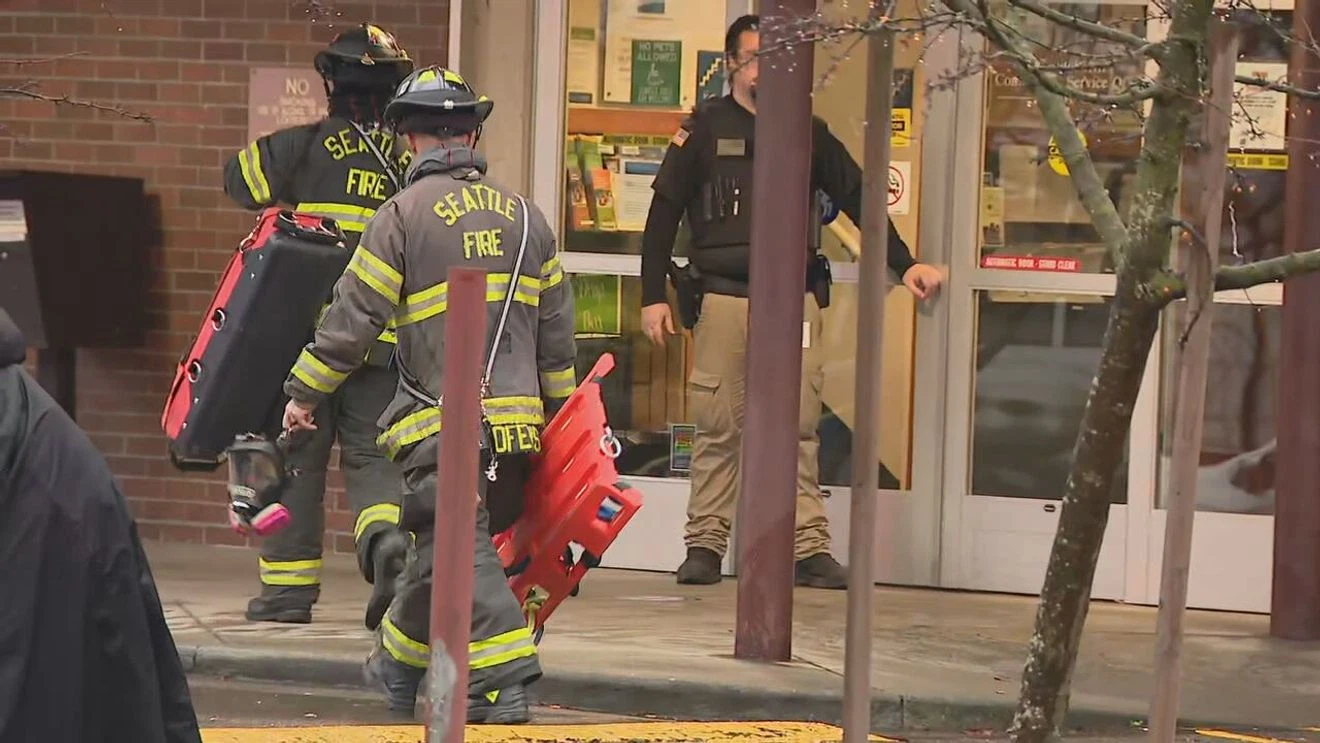
The Seattle Fire Department arrived and initiated a hazmat response whilst officers set up a safety containment, putting up caution tape and partially closing off the street.
The building was also promptly evacuated.
No injuries were reported, but authorities urged the public to avoid the area as the investigation continued.
SFD hazmat crews determined the envelope did not have any toxic materials, police said.
Per protocol, the Arson Bomb Squad, Federal Bureau of Investigation, United States Postal Service, and SPD’s precinct Commander were notified, according to Seattle police.
The incident continues to be an open and active investigation, Seattle police said.
At 4:30 p.m., DSHS confirmed they had received a suspicious envelope and followed protocol to evacuate whilst SFD crews assessed the situation.
By 4:38 p.m., the all-clear was given, and DSHS confirmed it will be open Saturday at 8 a.m. as usual.
The DSHS employee’s decision to call 911 rather than dismiss concerns demonstrates appropriate caution. Government agencies, particularly those handling sensitive programmes like Social and Health Services, receive threatening or suspicious mail periodically, making vigilance necessary.
What made the envelope suspicious enough to trigger evacuation hasn’t been disclosed. Common red flags include unusual powder or residue, strange odours, excessive postage, misspelled words, no return address, or threatening language visible through the envelope.
The prompt building evacuation reflects modern protocols developed after anthrax letters killed five people and sickened 17 others in 2001. Those attacks targeted government offices and media organisations, fundamentally changing how suspicious mail is handled.
The hazmat response involving specialised equipment and trained technicians demonstrates the seriousness with which authorities treat potential chemical or biological threats. Hazmat crews wear protective suits and use detection equipment to identify dangerous substances before declaring areas safe.
The safety containment with caution tape and partial street closure creates buffer zones preventing additional people from entering potentially contaminated areas. If toxic materials had been present, containing the exposure zone would be critical.
The multi-agency notification, including the Arson Bomb Squad, FBI, Postal Service, and SPD Commander, reflects standardised protocols for suspicious packages. Each agency brings specific expertise: bomb squad for explosives, FBI for terrorism or criminal threats, Postal Service for mail-related crimes.
The 2 p.m. start to 4:38 p.m. all-clear means the building was evacuated for roughly two and a half hours. For DSHS employees, that meant leaving mid-workday, potentially abandoning sensitive casework or client meetings.
DSHS handles child protective services, disability services, mental health programmes, and public assistance. Disrupting operations affects vulnerable populations depending on these services, making threats against the agency particularly harmful.
The investigation remaining open and active despite no toxins being found suggests authorities are pursuing who sent the letter and why. Even hoaxes that don’t contain dangerous materials are crimes, and investigators will examine the envelope for fingerprints, DNA, and postal markings to identify the sender.
The DSHS confirmation that they’ll open Saturday at 8 a.m. as usual reassures employees and clients that services will continue normally. Many DSHS clients have appointments for benefits assistance or case management that can’t easily be rescheduled.
The suspicious letter targeting a government social services agency raises questions about motivation. Was this a disgruntled client upset about benefits decisions? A politically motivated threat against government programmes? A mentally ill individual acting randomly?
The Friday afternoon timing, when government offices are preparing to close for the weekend, creates particular disruption. Employees evacuated late Friday face uncertainty about whether they’ll return to work or if the building will remain closed through the weekend.