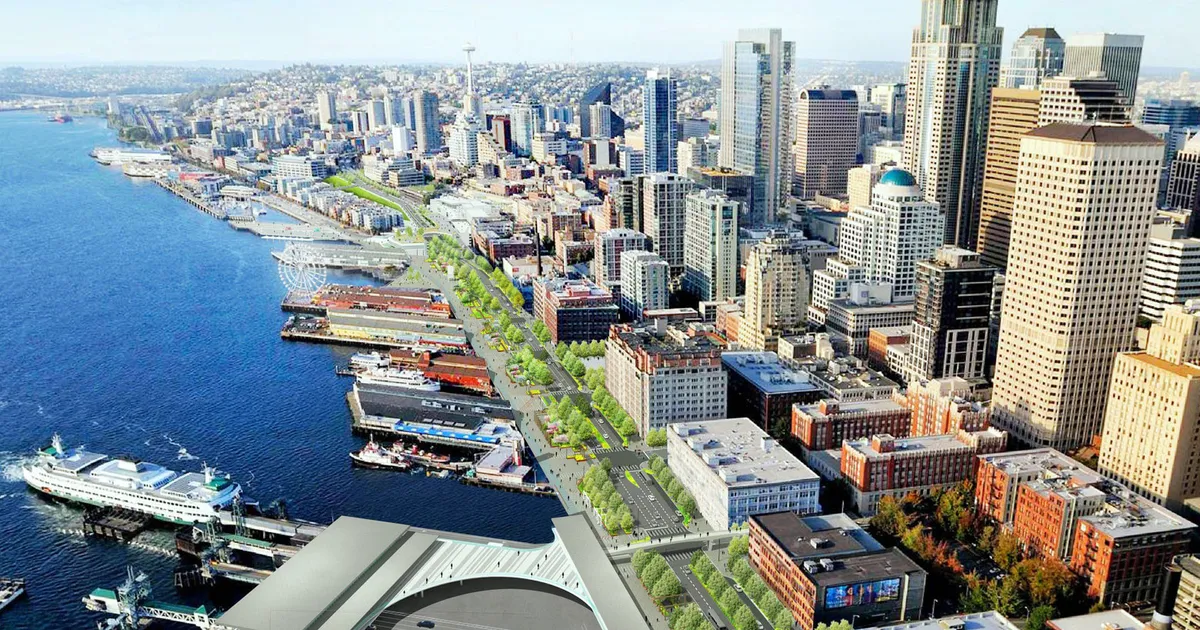
Seattle’s Waterfront Park drew over 3.2 million visits during its inaugural season from May through September 2025, transforming the 20-acre space into one of the city’s most popular destinations within months of opening.
The park recorded 2.4 million visitors from May 1 to September 30, with 61 per cent of those visits from Washington state residents and 24 per cent from Seattle residents, according to data released by Friends of Waterfront Park.
Joy Shigaki, President and CEO of Friends of Waterfront Park, said the return visits demonstrate the park has become essential to Seattle life.
“Seeing millions of people return again and again tells us Waterfront Park is already part of daily life in Seattle,” Shigaki said.
The park’s Grand Opening Season featured 309 public activations, including 72 free cultural festivals, live performances, educational events, and fitness classes.
The Waterfront Park Grand Opening Celebration attracted 41,600 attendees, making it the season’s largest single event. The Salmon Homecoming drew 18,200 attendees, whilst Africatown Soul on the Water brought 6,376 people to the waterfront.
Waterfront Park’s diverse programming was supported by partnerships with 202 artists, cultural organisations, vendors, and community groups, with 82 per cent of partners being Black, Indigenous, and People of Colour-led. This reflects Friends’ commitment to elevating historically underrepresented communities.
The park’s various spaces served distinct roles. Overlook Walk welcomed 611,000 visits, whilst Pier 62 hosted the bulk of programming. Pioneer Square Habitat Beach and Railroad Way South also saw significant activity, serving as vital green spaces for nearby neighbourhoods.
Local businesses thrived during the season, with 68 vendors participating in the Waterfront Park Market and 11 food vendors operating across the park. These efforts generated $2.5 million in revenue, highlighting the park’s role as both a cultural and economic engine.
The 3.2 million total visits over roughly five months averages more than 20,000 visits per day, remarkable for a park in its first season before word-of-mouth and tourism guides have fully promoted it.
The 61 per cent of visits from Washington residents outside Seattle indicates the park draws from throughout the Puget Sound region, not just city residents. People are travelling from Tacoma, Everett, Olympia, and beyond to experience the waterfront transformation.
The 24 per cent of visits from Seattle residents seems surprisingly low given the park’s central location. This suggests either the methodology counts each individual visit rather than unique visitors, meaning tourists staying multiple days count multiple times, or Seattle residents haven’t yet made the park a regular destination.
The 309 public activations over approximately 150 days means the park hosted more than two events daily on average. This aggressive programming schedule during the inaugural season aimed to draw crowds and establish the park as an events destination.
The 72 free cultural festivals represent substantial investment in accessible programming. Free events remove economic barriers, allowing families who couldn’t afford paid attractions to enjoy waterfront activities.
The Grand Opening Celebration drawing 41,600 people demonstrates successful launch marketing. Large inaugural events create media coverage and social media buzz that sustains interest throughout the season.
The Salmon Homecoming event with 18,200 attendees connects to Indigenous culture and Seattle’s identity as a city where salmon historically returned to spawn in Elliott Bay. Celebrating salmon runs educates visitors about ecosystem restoration whilst honouring Coast Salish peoples’ relationship with salmon.
Africatown Soul on the Water bringing 6,376 attendees represents programming specifically designed for Seattle’s Black community. The event’s name references the historic Central District neighbourhood sometimes called Africatown.
The 82 per cent of partners being BIPOC-led represents intentional equity work. Friends of Waterfront Park clearly prioritised contracts and partnerships with organisations representing communities historically excluded from Seattle’s economic opportunities.
Overlook Walk’s 611,000 visits suggest people use it as both destination and thoroughfare. The elevated walkway provides views whilst connecting neighbourhoods, making it functional infrastructure as well as park space.
Pier 62 hosting the bulk of programming makes sense given its large flat surface ideal for concerts, festivals, and gatherings. The pier’s water views and central location create an iconic event venue.
Pioneer Square Habitat Beach serving nearby neighbourhoods addresses environmental justice. The historic neighbourhood, one of Seattle’s oldest, lacked significant green space before the waterfront transformation.
The 68 market vendors and 11 food vendors generating $2.5 million in revenue demonstrates the park’s economic impact. This money flows to small businesses and entrepreneurs who might not have other opportunities to reach thousands of customers daily.
The $2.5 million in vendor revenue over five months averages $500,000 monthly or roughly $16,500 daily. Individual vendors’ earnings vary widely, but the aggregate demonstrates significant economic activity.
The park opening in May, the start of Seattle’s tourism season, provided optimal timing. Summer weather from June through September brought visitors when conditions encouraged outdoor activities.