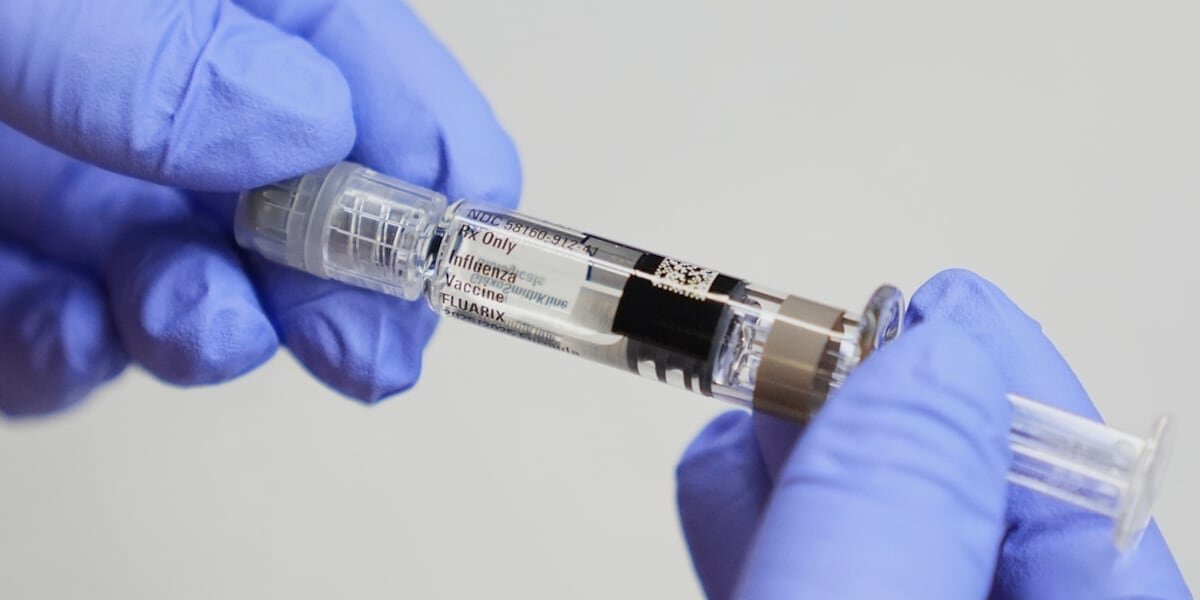
This flu season isn’t just bad, it’s shaping up to be the worst in nearly a decade, and the reasons why expose fundamental vulnerabilities in how we prepare for respiratory viruses. For Seattle residents navigating packed coffee shops in Capitol Hill or riding crowded Link light rail trains, understanding what’s driving this surge matters more than simply knowing it exists.
The underlying engine: a viral variant called subclade K emerged after this year’s vaccines were manufactured, creating a mismatch between protection and threat. That timing gap, vaccines designed in spring and virus mutating over summer, represents a structural weakness in our flu prevention system that’s coming home to roost.
Thirty states now report “very high” flu activity based on outpatient visits, and Washington’s interconnected communities make the Puget Sound region particularly vulnerable. When 8.2% of all outpatient visits nationwide involve fever with cough or sore throat, the highest proportion for this point in the season in CDC’s 30-year tracking history, Seattle’s urgent care centers and emergency departments feel that pressure acutely.
The numbers tell a stark story: 11 million illnesses, 120,000 hospitalizations, and 5,000 deaths nationally so far this season. Nine children have died, a figure that follows last year’s devastating toll of 289 pediatric deaths, the worst in years. For Seattle families, this matters because only 42% of children have been vaccinated, according to the American Academy of Pediatrics. That leaves the majority of young people in our schools, from Ballard to Rainier Valley, without even partial protection.
We’re entering the most dangerous phase. Students just returned to Seattle Public Schools and universities like UW, creating what Dr. S. Wesley Long of Houston Methodist calls “population mixing,” thousands of people who traveled over winter break now converging in classrooms, dorms, and packed buses. Holiday travel exposed Seattle residents to flu variants from across the nation, and now they’re bringing those strains into tight quarters. Respiratory virus season typically peaks halfway through its October-to-April run, meaning we’re approaching maximum transmission risk right now, exactly when Seattle’s rainy winter weather keeps people indoors in poorly ventilated spaces.
Here’s the uncomfortable fact public health officials must navigate: the predominant strain circulating this season, subclade K, a variant of H3N2, emerged after current vaccines were produced. Preliminary data suggests the match isn’t particularly good. But that doesn’t mean the vaccine is useless. The same principle that applied to COVID variants applies here: vaccination against H3N2 generally provides cross-protection against severe disease and death, even when the specific strain isn’t an exact match. Your immune system, primed by the vaccine, still recognizes enough of the virus to mount a defense.
“Being vaccinated against the flu and against H3N2 in general is going to provide you some protection against the more severe disease, more severe outcomes and death, even though it’s not a great match,” Long said. “Because you’re going to get some cross protection.”
This is where CDC guidance became controversial this week. The agency changed its childhood vaccination recommendations, saying children should only get flu shots “in consultation with their health care provider” rather than as a routine recommendation, precisely as we’re experiencing one of the worst flu seasons in years. Dr. Sean O’Leary, chair of the AAP Committee on Infectious Diseases, didn’t mince words: “To back off on a flu recommendation in the midst of a pretty severe flu year seems to me to be pretty tone deaf. And that’s coming off an influenza year where we had the most childhood deaths from influenza in many years. It makes no sense.”
That policy shift reveals tension between federal guidance and on-the-ground medical reality, a disconnect Seattle parents must navigate when deciding whether to vaccinate their children.
The advice remains straightforward, even if the policy landscape is confusing. Get vaccinated if you haven’t, it’s not too late. Long emphasizes that even people already exposed to infection might derive protection from the shot. Given Seattle’s packed winter months of basketball games at Climate Pledge Arena and holiday events at Pike Place Market, any immunity helps. Avoid large crowds when possible, challenging in a city where public transit and shared workspaces define daily life, but strategic choices about discretionary gatherings matter.
Wash hands frequently. Seattle’s coffee culture means constant contact with shared surfaces, and vigilance helps. Stay home when sick. Long frames this as community courtesy, but it’s also structural necessity. Going to work or school while infected perpetuates transmission cycles that hit vulnerable populations hardest. Ask about antivirals if you do get sick. Post-infection treatments like Tamiflu can reduce severity when taken early. Don’t wait to contact your provider.
This flu season exposes how our vaccine development timeline lags behind viral evolution, a problem that becomes acute when new variants emerge between manufacturing and distribution. Seattle’s position as an international hub with Sea-Tac Airport means we’re particularly exposed to emerging strains from across the globe. Whether this becomes one of the worst flu seasons on record depends on what happens in the next month. But the engines driving this surge, vaccine-virus mismatch, timing of population mixing, policy confusion, are already in motion. Understanding those mechanisms helps Seattle residents make informed choices about protection, rather than simply reacting to rising case numbers.
The flu season runs through March or April. We’re in the middle innings, not the end.