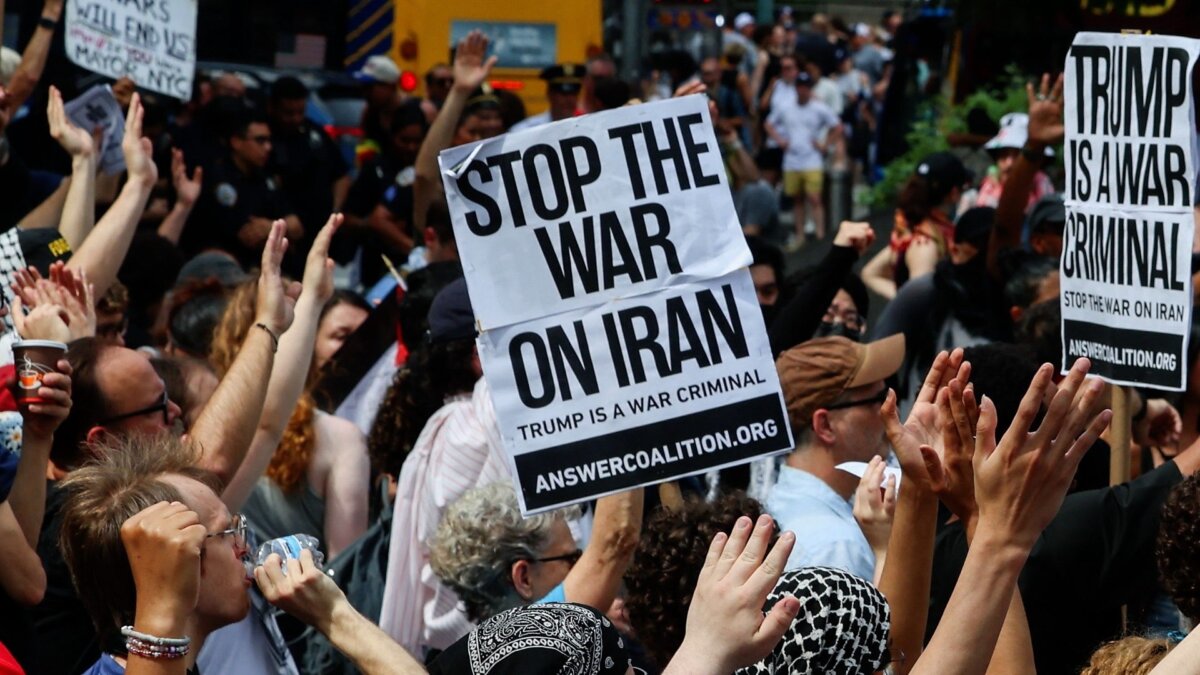
President Donald Trump indicated openness to conducting airstrikes against Iran while simultaneously claiming to prefer diplomatic solutions, a combination of threatening military action and professing peaceful intentions that reflects his administration’s approach to foreign policy challenges where shows of force coexist with stated desires to avoid war. The comments, which come amid ongoing protests and tensions with Iran, reveal how Trump positions himself as willing to use military power while framing such action as reluctant response to Iranian behavior rather than preferred policy outcome. But the gap between rhetoric about preferring diplomacy and concrete diplomatic initiatives raises questions about whether the administration is actually pursuing negotiations or simply using diplomatic language to justify military preparations.
The specific context of Trump’s comments matters for understanding what prompted them and what they signal about administration intentions. If the remarks came in response to Iranian actions like attacks on U.S. personnel or assets, they represent direct warning that such actions will trigger military response. If they came during discussion of Iran’s nuclear program or regional activities, they indicate willingness to use force to prevent outcomes the administration opposes even without direct attacks on American interests. Without knowing the immediate context that prompted Trump’s statement, its significance remains ambiguous, somewhere between reactive warning and proactive threat.
The framing that Trump is “open to airstrikes” while “wanting diplomacy” creates rhetorical space for either outcome while avoiding commitment to specific course of action. If airstrikes occur, the administration can claim Iran’s actions forced military response despite preference for peaceful resolution. If negotiations occur, the administration can claim the threat of force brought Iran to the table. That flexibility serves political purposes by protecting Trump from criticism regardless of outcomes, but it doesn’t provide clarity about actual administration policy or what would trigger transition from diplomatic preference to military action.
For Iran’s government, parsing Trump’s statements requires determining whether they represent genuine policy shifts, negotiating tactics meant to extract concessions, or simply rhetorical positioning for domestic political consumption. Iranian leadership has extensive experience navigating American threats across multiple administrations, from Bush administration’s “axis of evil” characterization to Obama administration’s negotiations leading to the nuclear deal to Trump’s first-term withdrawal from that deal and assassination of Qasem Soleimani. Whether current statements signal new escalation or simply continuation of established patterns affects how Iran responds.
The mention of protests in Iran, if they’re the context for Trump’s comments, suggests the administration sees internal Iranian instability as opportunity to increase pressure through combination of supporting protest movements and threatening military action if Iran responds to protests with crackdowns the administration characterizes as unacceptable. That approach, attempting to exploit domestic Iranian opposition while simultaneously threatening external military force, reflects maximalist strategy of pressuring Iran from multiple directions. Whether such pressure produces desired outcomes like regime change or nuclear concessions, or whether it strengthens Iranian hardliners by validating their warnings about American threats, depends on internal Iranian dynamics the administration may not fully understand.
The United States has conducted airstrikes against Iranian-backed forces in Iraq and Syria multiple times across recent administrations, typically framed as responses to attacks on American personnel or assets. Airstrikes directly on Iranian territory would represent significant escalation beyond those proxy conflicts, potentially triggering Iranian retaliation against American forces in the region, against allies like Israel or Saudi Arabia, or through asymmetric responses like cyberattacks or terrorism. Whether Trump’s openness to airstrikes refers to hitting Iranian-backed militias in third countries or actual strikes on Iran itself makes enormous difference in terms of risk and potential consequences.
For Seattle’s limited but vocal Iranian-American community, Trump’s statements create anxiety about both relatives in Iran who could be affected by American military action and about political climate in the United States where associations with Iran can trigger suspicion or hostility. Iranian-Americans span wide range of political views, from exiles who fled the Islamic Republic and support aggressive American pressure on the regime to immigrants who maintain ties to Iran and oppose policies that harm ordinary Iranians through sanctions or military action. Trump’s framing, supporting protests while threatening strikes, appeals to former group while alarming latter.
The diplomatic preference Trump claims exists only if his administration is actually conducting diplomacy, meaning direct or indirect negotiations with Iranian counterparts about specific issues with potential for agreements that address mutual concerns. If “preferring diplomacy” simply means offering Iran ultimatums to comply with American demands or face military action, that’s not diplomacy in meaningful sense but rather coercive threats dressed in diplomatic language. Whether the administration has active diplomatic channels to Iran, what those channels are discussing, and whether negotiations have any prospect of producing agreements would clarify whether diplomatic preference is genuine or rhetorical.
The timing of Trump’s comments, coming during the early weeks of his second term, suggests either response to immediate Iranian actions requiring address or effort to establish his administration’s Iran policy framework early. If the former, it indicates Iran has taken provocative actions, perhaps related to protest crackdowns or regional military activities, that the administration wants to deter through threats of airstrikes. If the latter, it establishes maximum pressure approach where military threats accompany demands for Iranian behavior changes, setting tone for how the administration will handle Iran across the next four years.
For American military planners, presidential statements about being open to airstrikes create operational requirements to prepare strike options, identify targets, position assets for potential operations, and develop contingency plans for Iranian responses. That preparation doesn’t guarantee strikes will occur, presidents routinely receive military options they don’t execute, but it requires resources and creates posture where military action becomes executable on short notice. Whether Trump’s openness to strikes reflects serious consideration of military action or simply desire to signal resolve affects how intensively military prepares for operations.
The question of what would trigger actual airstrikes, if Trump is genuinely open to them, remains unanswered in available reporting. Would strikes occur if Iran enriches uranium beyond certain thresholds? If Iran attacks American forces or allies? If Iran violently suppresses protests? If Iran pursues nuclear weapons? Without knowing thresholds for military action, Trump’s openness to strikes communicates threat without providing Iran clear understanding of what actions would trigger that response, creating ambiguity that could lead to miscalculation if Iran crosses lines it didn’t know existed.
The mention of protests specifically, if that’s the context for Trump’s statement, raises questions about whether the administration sees Iranian government’s response to domestic unrest as potential justification for American military intervention. Supporting protesters through diplomatic statements and perhaps covert assistance is established American policy across administrations. Using Iranian crackdowns on protests as casus belli for airstrikes would represent significant policy shift, effectively claiming American right to militarily punish Iran for internal repression. Whether Trump’s statement goes that far or simply connects the issues through proximity in his remarks affects interpretation.
For Iran’s protest movements, whatever their specific grievances and demands might be, American threats of military action create double-edged consequences. Such threats might embolden protesters by suggesting international support and potential intervention if regime responds violently. But they also allow the regime to characterize protesters as foreign agents serving American interests, potentially delegitimizing protests domestically and justifying crackdowns as defending national sovereignty against external interference. Whether American military threats help or hurt Iranian opposition depends on dynamics within Iran that outside observers struggle to assess accurately.
The diplomatic preference Trump expresses, assuming it’s genuine rather than purely rhetorical, would presumably aim at outcomes like preventing Iranian nuclear weapons, reducing Iranian support for proxies attacking American interests or allies, releasing detained Americans, or other specific objectives. Achieving those outcomes through diplomacy requires negotiations where both sides make concessions to reach agreements addressing mutual concerns. Whether Trump administration is willing to make concessions Iran would require, like sanctions relief or security guarantees, or whether it’s only offering to not attack if Iran complies with American demands, determines whether diplomacy is actually possible.
The history of Trump’s first-term Iran policy, withdrawing from the nuclear deal and implementing maximum pressure sanctions while avoiding major military escalation despite Iranian provocations like attacking Saudi oil facilities and shooting down American drones, suggests pattern of aggressive rhetoric and economic pressure combined with reluctance to actually initiate military conflict. Whether second-term Trump follows similar pattern, threatening force while avoiding its use except in extreme circumstances, or whether circumstances have changed in ways making military action more likely, will become clear through actual decisions rather than rhetorical openness to various options.
For regional dynamics in the Middle East, American threats of airstrikes against Iran affect calculations by allies like Israel and Saudi Arabia who face Iranian threats through proxies and direct capabilities. Those allies might view American military threats as deterring Iranian aggression or as opportunity to pressure the U.S. to take actions serving their interests. Whether American openness to airstrikes represents coordinated policy with allies or unilateral positioning affects regional responses and potential for the conflict to expand beyond U.S.-Iran bilateral tensions.
The fundamental question Trump’s statement doesn’t answer is whether openness to airstrikes represents policy change from his first term, where military action against Iran directly was avoided despite provocations, or simply restatement of existing posture where military options remain available if deemed necessary. If the former, it signals heightened risk of U.S.-Iran military conflict in coming months or years. If the latter, it continues established pattern of threatening force while pursuing other pressure mechanisms like sanctions and support for opposition. Without clarification about what’s changed, the statement creates uncertainty rather than establishing clear policy framework.
For American public and Congress, presidential statements about openness to military action against countries the U.S. isn’t at war with raise questions about authority and oversight. Does Trump have legal authority to conduct airstrikes on Iran without congressional authorization? Under what circumstances? With what objectives and end states? The constitutional tension between executive authority over military operations and congressional war powers remains unresolved, with presidents claiming broad authority to use force based on existing authorizations or inherent executive power while critics argue major military operations require congressional approval. How those tensions play out if Trump actually orders strikes affects domestic political dynamics beyond immediate military questions.
Trump’s openness to Iran airstrikes while claiming to prefer diplomacy represents familiar pattern of American foreign policy rhetoric where threats of force accompany stated desires for peaceful resolution, creating intentional ambiguity about whether military action is imminent or simply being held in reserve as pressure tactic. Whether this instance differs from past examples in ways suggesting actual military operations are more likely, or whether it’s simply standard tough talk meant to deter Iranian behavior and signal resolve, remains unclear. That uncertainty itself becomes a policy tool, keeping Iran guessing about American intentions while preserving Trump’s flexibility to pursue either military or diplomatic options depending on how circumstances evolve.