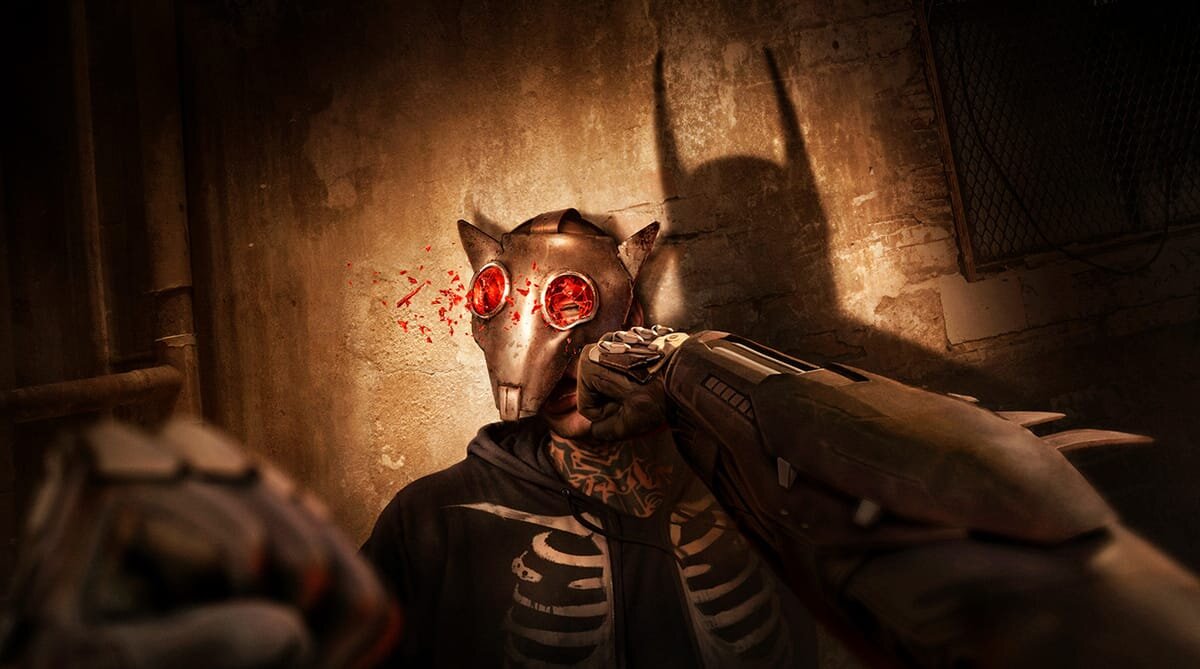
A series of layoffs across Meta’s virtual reality division has affected Bellevue-based studio Camouflaj, developer of Republique and Batman: Arkham Shadow. This week opened with reports that Meta shuttered several game developers including Texas-based Twisted Pixel and Armature, with rumors Wednesday that the same wave affected Camouflaj. Multiple outlets confirmed Thursday that while Camouflaj remains in operation, it’s been reduced to a “handful of employees” from around 30 according to LinkedIn data. A planned sequel to 2024’s Batman: Arkham Shadow has been cancelled, and the project’s developer Sanzaru has been shut down. This wave reportedly stems from 10% headcount reduction at Meta’s Reality Labs division following a decision to shift efforts away from VR and the Metaverse toward AI research and wearables.
The decimation of Camouflaj from 30 employees to a “handful” represents near-total elimination of the studio’s workforce while technically keeping it alive, possibly to maintain intellectual property rights, contractual obligations, or optionality to restart operations if VR strategy shifts again. The distinction between “shuttered” studios like Twisted Pixel and Armature versus “reduced” Camouflaj appears semantic when the outcome is that most developers lose jobs and planned projects are cancelled. Whether the remaining handful of employees represent skeleton crew maintaining existing games, leadership evaluating future options, or simply haven’t been notified of terminations yet affects whether Camouflaj meaningfully survives or exists only on paper.
The cancellation of Batman: Arkham Shadow sequel is particularly notable given the game only released in 2024, suggesting it met critical or commercial success insufficient to justify continued investment in VR exclusive franchises. Batman represents premium intellectual property with built-in audience and brand recognition, yet Meta apparently concluded that even established franchises can’t generate returns justifying VR development costs. Whether the sequel cancellation reflects problems specific to the game or franchise, or broader strategic withdrawal from narrative VR gaming regardless of individual project quality, indicates how thoroughly Meta is abandoning VR content development.
The closure of Sanzaru, the studio developing the cancelled Batman sequel, compounds the loss of development capacity. Sanzaru previously worked on notable VR titles and its elimination represents another chunk of VR expertise being dissolved. The pattern of Meta acquiring studios like Camouflaj in 2022 during VR investment peak, then gutting or closing them within two years, raises questions about acquisition strategy and whether Meta leadership genuinely believed in long-term VR viability or made opportunistic acquisitions during period of inflated tech valuations without sustainable business model.
The 10% headcount reduction at Reality Labs represents hundreds of employees losing jobs given the division’s size. Reality Labs has consumed tens of billions in losses over recent years as Meta invested heavily in VR and metaverse vision that hasn’t materialized into sustainable business. The shift toward AI research and wearables follows broader tech industry pattern of redirecting resources from metaverse ambitions that failed to capture mainstream adoption to AI applications generating more immediate hype and investment returns. Whether Meta’s AI pivot proves more successful than VR investments, or whether it represents another expensive bet on emerging technology that may not deliver expected returns, remains unclear.
For Bellevue and broader Seattle-area game development community, Camouflaj’s devastation eliminates significant VR development capacity and expertise built over years. Ryan Payton’s founding of the studio in 2012, its crowdfunding success for Republique debut project, and evolution from mobile games to VR specialization represented Pacific Northwest game development success story. The studio’s acquisition by Oculus in 2022 appeared to validate that trajectory and provide stability for continued growth, but Meta’s strategic reversal transforms acquisition from opportunity into death sentence as parent company eliminates the business it purchased.
The roughly 30 jobs lost at Camouflaj, combined with losses at Twisted Pixel, Armature, Sanzaru, and other affected studios, represent hundreds of game developers suddenly seeking employment in industry experiencing widespread layoffs across multiple companies. Whether these developers find comparable positions at other studios, leave game industry for tech companies offering better stability, or relocate from Seattle area to gaming hubs with more opportunities affects both individual careers and regional game development ecosystem. The timing early in 2026 provides some runway before holiday hiring season but creates immediate financial pressure for affected workers.
Republique’s history as crowdfunded indie game that evolved into VR title demonstrates Camouflaj’s willingness to adapt to platforms and technologies. The episodic stealth game set in totalitarian state launched as iOS exclusive, expanded to multiple platforms, then got retooled for VR, showing technical versatility and ability to extend IP across formats. Whether that adaptability could have allowed Camouflaj to pivot beyond VR if given opportunity, or whether Meta’s ownership locked studio into VR-exclusive development that became liability when parent company shifted strategy, affects interpretation of what the studio could have accomplished independent of Meta’s strategic reversals.
Iron Man VR for PlayStation and Meta Quest, developed with Sony Interactive Entertainment and Marvel Studios, represented major franchise opportunity and partnership with top-tier IP holders. The fact that Camouflaj successfully delivered licensed games based on both Iron Man and Batman demonstrates capability to work with demanding licensors and prestigious franchises. That track record makes the studio’s gutting more wasteful, as building credibility with licensors like Disney/Marvel and Warner Bros/DC takes years and successful project completions that many studios never achieve.
Batman: Arkham Shadow being an official entry in long-running Arkham series rather than spinoff or experimental project indicates DC and Warner Bros trusted Camouflaj with core franchise property. The game’s setting early in Batman’s career before many trademark villains assumed costumed identities, with Batman fighting the Rat King, provided fresh narrative space within established continuity. Early reviews and reception were positive, making the sequel cancellation represent abandonment of successful franchise entry rather than course-correction after failed experiment.
Meta’s dominant position in VR market through standalone Quest headsets means its withdrawal threatens the entire format’s viability. If the company commanding “large part of the overall market” reduces content investment and potentially hardware development, third-party developers lose platform to build for and consumers face fewer compelling reasons to purchase headsets. The existential threat to VR as format stems from Meta’s market dominance combined with apparent conclusion that VR can’t generate returns justifying continued massive investment, creating downward spiral where reduced investment leads to fewer compelling experiences which reduces consumer adoption which further justifies reduced investment.
Valve’s recent announcement of new VR headset offers some hope but can’t fully compensate for Meta’s withdrawal. Valve Index and previous headsets served enthusiast PC VR market distinct from Quest’s standalone approach accessible to broader audiences. Whether Valve can expand beyond that niche, whether Sony continues PlayStation VR investment, or whether Apple’s Vision Pro creates premium alternative affects whether VR survives Meta’s strategic retreat or withers as platform that never achieved mainstream success despite billions in investment.
The shift from VR and metaverse to AI research and wearables follows Mark Zuckerberg’s pattern of making massive bets on emerging technologies then pivoting when adoption doesn’t meet expectations. The metaverse vision consumed tens of billions without creating sustainable user base or revenue model. Whether AI investments, including acquisitions, research, and product development, prove more successful or represent another expensive detour, and whether wearables like Ray-Ban smart glasses achieve mass adoption where VR headsets didn’t, affects Meta’s technology strategy credibility and shareholder patience with expensive experiments.
For game developers considering joining studios owned by large tech companies, Camouflaj’s trajectory offers cautionary tale. Acquisition by well-funded parent like Meta appeared to provide resources and stability for ambitious projects, but strategic shifts at parent company level can abruptly eliminate entire studios regardless of individual project quality or team performance. Whether independence with uncertain funding or corporate ownership with strategic volatility represents safer path for game studios depends on market conditions and individual circumstances, but this wave of closures emphasizes risks of dependence on parent companies’ continued commitment to gaming or specific platforms.
The crowdfunding origins of Republique in 2012, during early era of Kickstarter game development, represented democratization of funding allowing creators to build projects without publisher control. The irony that studio built on independent crowdfunding eventually got acquired and gutted by tech giant exemplifies broader consolidation patterns where independent successes get absorbed by larger companies that later eliminate them when strategic priorities shift. Whether that pattern discourages future crowdfunding attempts or simply reflects natural evolution of successful studios getting acquired affects indie game development ecosystem.
Ryan Payton’s background as Microsoft veteran who left to found independent studio, then saw that studio acquired and largely eliminated, represents personal professional arc affecting not just him but the 30-odd developers who built their careers at Camouflaj. Whether Payton returns to corporate employment, founds another studio, or leaves game industry affects regional game development community that benefits from experienced leaders willing to build new teams and mentor emerging developers. The loss of functioning studio represents not just job losses but dissolution of institutional knowledge, team chemistry, and creative capacity built over years.
For Batman and Iron Man as franchises, the VR entries Camouflaj developed become orphaned products without studio support for updates, bug fixes, or potential expansions. Whether Meta maintains skeleton crew to support existing games or whether they become abandonware affects consumers who purchased them and licensors who partnered with Camouflaj. The cancelled Batman sequel represents lost opportunity to build on Arkham Shadow’s foundation and develop VR as viable platform for premium licensed games.
The Meta layoffs hitting Camouflaj and peer studios represent more than individual company struggles. They signal that the largest investor in VR content development has concluded the format can’t justify continued investment at previous scale, creating chilling effect across industry as developers, publishers, and platform holders reassess VR viability. Whether that represents temporary strategic retreat that could reverse if conditions change, or permanent recognition that VR remains niche format unlikely to achieve mainstream adoption despite billions invested, affects the future of virtual reality gaming and the hundreds of developers who specialized in the technology now seeking their next opportunities.