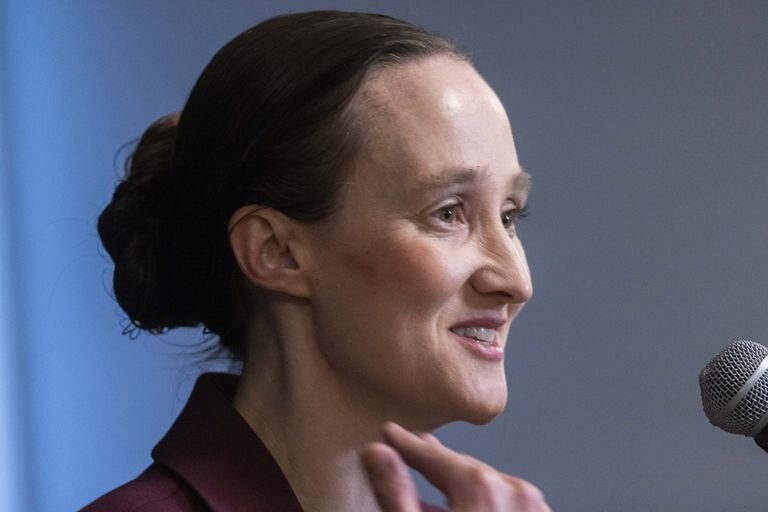
One of Seattle Mayor Katie Wilson’s first executive actions is to improve public transit, announcing Thursday plans to add a bus lane along busy Denny Way in South Lake Union. Wilson said the goal is to speed up service on Route 8, one of Seattle’s busiest lines and the same route she takes from her Capitol Hill home, explaining she chose this project because thousands of daily riders rely on the service and it’s one of the most unreliable routes. “We cannot let one of our highest ridership routes consistently languish in traffic,” Wilson stated. “That is not a good use of our transit tax dollars, and it’s not a good use of our time.” She announced an executive order directing SDOT to implement at least one bus lane and other transit supportive infrastructure along Denny Way, starting with the stretch between 5th and Fairview, with April 17 deadline for the agency to come up with timeline, budget, and implementation plan plus recommendations for work on other corridors.
King County Metro data shows Route 8 has at least 7,000 boardings on weekdays, with spokesperson Jess Switzer stating “the segment on Denny Way between 5th Ave and Fairview Ave faces the toughest delays to improve transit in this important corridor.” Metro has worked closely with SDOT over the past 10 years to study and install incremental improvements along Route 8, including existing eastbound bus lane approaching Stewart Street and bus bulbs in Capitol Hill, with more improvements in Lower Queen Anne slated for implementation by SDOT in 2026. Bus riders support updates that could speed the route, with Claudia Noon explaining “people call it the Late 8 for a reason, and I’ve definitely experienced delays.” But drivers and a coffee shop worker near Denny Way expressed concerns about worsening traffic backups during construction and if a lane is removed for bus use.
Wilson’s selection of Route 8 for her first major transportation initiative reflects both personal experience as rider and political calculation to demonstrate immediate action on transit priorities. Her statement about taking the same route from Capitol Hill creates narrative that she understands commuter frustrations firsthand rather than making decisions from remove of chauffeured vehicles or private transportation. Whether that personal connection translates into better policy or simply provides relatable messaging affects how constituents evaluate the project beyond just its transportation merits.
The “Late 8” nickname that Claudia Noon referenced reflects widespread rider frustration with route’s unreliability. Buses stuck in traffic can’t maintain schedules, creating unpredictable wait times that undermine transit’s usefulness for commuters who need to arrive at work or appointments on time. Whether dedicated bus lane actually solves reliability problems or whether other factors like driver availability, maintenance issues, or system-wide delays also contribute to unreliability affects whether the infrastructure investment produces desired improvements.
The stretch between 5th and Fairview through South Lake Union represents particularly congested corridor where Amazon headquarters, biotech companies, restaurants, and residential development generate heavy traffic volumes throughout the day. The area’s intense growth over past 15 years transformed former industrial neighborhood into major employment center, creating transportation demands that existing infrastructure struggles to accommodate. Whether bus lane through this bottleneck meaningfully improves transit speed or simply shifts congestion to other chokepoints depends on overall corridor capacity and traffic patterns.
Wilson’s “iterative approach where we’re going to be bold, try something, assess something, and make adjustments if needed” signals willingness to experiment with tactical urbanism rather than extensive planning before implementation. That approach can produce faster results than traditional multi-year planning processes, but also risks implementing solutions that don’t work well and require expensive modifications. Whether SDOT has capacity to quickly assess and adjust, or whether city bureaucracy prevents rapid iteration despite mayoral intentions, affects whether the approach delivers promised agility.
The April 17 deadline for SDOT to produce timeline, budget, and implementation plan provides just three months for agency to develop comprehensive proposal. That aggressive timeline reflects Wilson’s desire to demonstrate action quickly rather than allowing projects to languish in planning. Whether three months is sufficient for proper analysis, community engagement, and technical design, or whether rushed timeline produces incomplete plans requiring revision, affects project quality and implementation success.
Jesse Mister’s concern that “taking one lane of traffic away from the amount of cars we have” might not improve things “right now” reflects common driver perspective that reducing vehicle capacity worsens congestion. Transportation research generally shows that dedicated transit lanes improve overall person throughput even if vehicle capacity decreases, because buses carry dozens of people per vehicle versus cars averaging 1.2 occupants. Whether that theoretical benefit materializes in practice on Denny Way depends on implementation details and whether enough people shift from driving to transit to offset reduced vehicle capacity.
His suggestion that “there might be better ways or better incentives to kind of decrease traffic and increase public transit use” reflects view that infrastructure changes alone won’t solve transportation problems without complementary policies affecting travel choices. Those might include parking pricing, employer subsidies for transit passes, land use changes reducing driving need, or service improvements making transit more attractive. Whether Wilson’s administration pursues comprehensive approach or focuses narrowly on bus lanes affects whether transportation patterns actually shift.
The timing during Revive I-5 project, a major I-5 construction initiative causing regional traffic disruption, compounds concerns about construction impacts and reduced capacity. Adding Denny Way bus lane construction on top of existing I-5 work creates compounded disruption that might overwhelm drivers’ patience and create political backlash. Whether Wilson’s team coordinates timing to minimize overlap or accepts temporary severe congestion as necessary cost of long-term improvements affects implementation strategy and public acceptance.
Interim SDOT Director Angela Brady’s statement about “enhancing reliability and efficiency for thousands of transit riders” and being “fully committed to Mayor Wilson’s vision of supporting world-class transit” provides bureaucratic support for political direction. Whether SDOT staff genuinely embrace the project or simply comply with mayoral directive affects implementation enthusiasm and problem-solving creativity when challenges arise. The “interim” designation for Brady suggests leadership uncertainty that might affect long-term planning and accountability.
City Councilmember Rob Saka’s emphasis that “the devil is in the details” and need for “community engagement and stakeholder input” reflects political caution about implementation challenges. His dual message supporting goals while insisting on proper process attempts to balance progressive transit advocacy with moderate concern about rushing implementation. Whether Saka and council provide rubber-stamp approval for Wilson’s initiative or demand modifications and slower implementation affects mayoral ability to deliver on campaign promises for rapid transit improvements.
The existing improvements Metro cited, including eastbound bus lane approaching Stewart Street and bus bulbs in Capitol Hill, demonstrate that incremental enhancements have been happening over past decade. Whether the new initiative accelerates that gradual progress or represents fundamentally different approach prioritizing comprehensive rapid changes over incremental improvements affects expectations and outcomes. The fact that improvements were “slated for implementation by SDOT in 2026” suggests work was already planned before Wilson’s executive order, raising questions about whether her initiative accelerates existing plans or creates genuinely new projects.
The lack of specifics about impact on vehicle traffic reflects either genuine uncertainty pending detailed planning or strategic communication choice to avoid triggering opposition before benefits are demonstrated. Drivers who learn they’ll lose lanes and experience worse congestion might organize resistance that prevents implementation, whereas presenting accomplished facts after quick installation reduces opposition opportunities. Whether Wilson’s team prioritizes transparency and engagement or speed and fait accompli affects democratic process and community trust.
The 7,000 weekday boardings on Route 8 represent substantial ridership justifying investment, though the number doesn’t specify how many board specifically on the Denny Way segment versus entire route. If only fraction of those 7,000 riders benefit from Denny Way improvements, the cost-benefit calculation changes compared to if entire ridership sees speed and reliability gains. Whether SDOT’s analysis focuses on segment-specific benefits or route-wide impacts affects justification and priority setting.
For South Lake Union businesses and employers, improved transit access could reduce parking demand and make the neighborhood more accessible to workers and customers using transit. Companies like Amazon that employ thousands in the area have interest in reliable transit allowing employees to commute without driving. Whether business community supports the bus lane despite concerns about construction disruption and delivery access affects political dynamics and implementation feasibility.
The tension between transit riders wanting faster service and drivers wanting to maintain vehicle capacity represents fundamental transportation policy challenge in growing cities with limited street space. Denny Way’s width doesn’t allow adding capacity for both modes, requiring choices about which uses to prioritize. Whether Seattle’s political culture has evolved to accept transit priority over vehicle capacity, or whether driver backlash remains powerful enough to prevent implementation, affects whether bus lanes can be built and maintained against opposition.
Wilson’s choice to make transit her first major initiative signals that transportation policy will be central focus of her administration. Whether she successfully implements Denny Way bus lane and uses it as template for other corridors, or whether she encounters resistance that stalls the project and discourages further similar initiatives, affects her ability to deliver on campaign promises about improving city mobility and reducing car dependence.
The iterative approach Wilson describes could allow rapid deployment of paint-and-post bus lanes, relatively inexpensive infrastructure using painted lanes and flexible posts rather than concrete curbs. That tactical approach allows quick implementation and easy modification if problems arise, though it provides less permanent protection than full reconstruction. Whether SDOT pursues tactical approach for speed or more permanent infrastructure for durability affects timeline and cost.
For the thousands of Route 8 riders experiencing the “Late 8” reality daily, the bus lane represents potential significant quality of life improvement through more reliable commutes and reduced travel times. Whether the project actually delivers those benefits or whether implementation challenges, inadequate enforcement of bus lane restrictions, or other factors prevent promised improvements affects whether Wilson’s first major initiative succeeds or becomes example of promises exceeding delivery.
The Denny Way bus lane, if successfully implemented, could establish template for similar improvements on other congested corridors where buses languish in traffic. Whether Wilson’s administration expands approach to create network of transit priority infrastructure, or whether Denny becomes isolated example rather than system-wide shift, affects Seattle’s transportation future and the viability of transit as alternative to driving in a city where growth has overwhelmed existing infrastructure capacity.