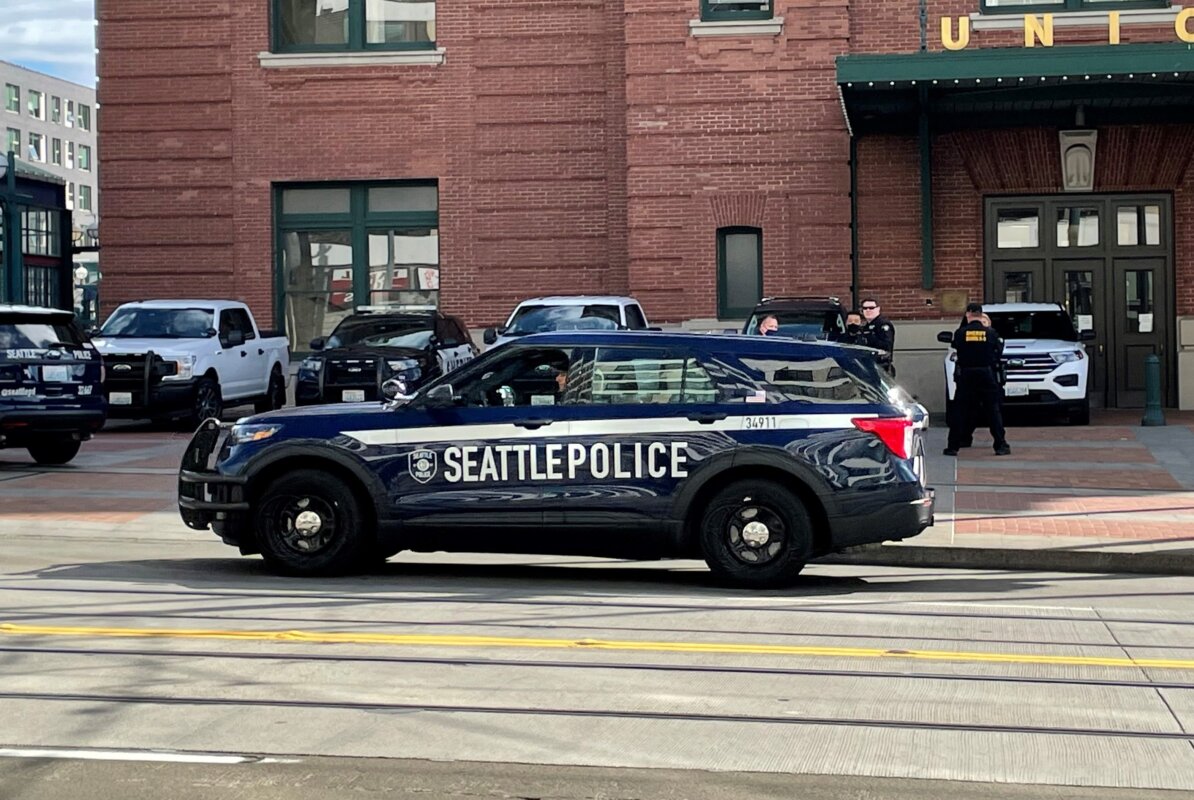
A 49-year-old man is behind bars this weekend after two days of bank robberies when police found his demand note in the Capitol Hill Goodwill. On the afternoon of January 16, the suspect entered Columbia Bank on Broadway Avenue East, approached the teller with a robbery note demanding cash and claiming he was armed with a gun. The teller gave the suspect money and he fled on foot, with latent prints responding to collect evidence but the suspect escaping. A couple hours later, a Goodwill employee called 911 after finding an obvious bank robbery note in a changing room. Officers responded to the thrift store, found video footage of the suspect, flooded the area and arrested him, recovering cash believed taken in the robbery. During investigation at police headquarters, detectives determined the same man was responsible for a similar bank robbery the day before at Downtown BECU on 6th Avenue. Police booked the suspect into King County Jail for both bank robberies.
The decision to discard the demand note in a Goodwill changing room rather than destroying it completely or disposing of it in less traceable location demonstrates either remarkable carelessness or panic that led to poor decision-making immediately after the robbery. Whether the suspect was changing clothes to alter appearance, attempting to blend in with shoppers at busy thrift store, or simply needed private space to count stolen cash and carelessly left evidence behind affects interpretation of his criminal sophistication. The fact that the note was “obvious” enough for an employee to immediately recognize it as bank robbery demand and call 911 suggests it contained explicit language about robbery, weapons, or cash that couldn’t be mistaken for innocent note.
The timing, with the Goodwill employee finding and reporting the note “a couple hours later” after the Columbia Bank robbery, provided remarkably quick break in investigation. Whether the employee found the note during routine changing room checks between customers or after suspect had already left the store affects timeline, but regardless, the report came soon enough that suspect was still in area when police arrived. That proximity enabled officers to “flood the area” with resources and locate suspect relatively quickly, suggesting either that he remained nearby or that Goodwill video provided description detailed enough to identify him among pedestrians and businesses in Capitol Hill neighborhood.
The Goodwill video footage showing the suspect demonstrates value of security cameras in solving crimes beyond just protecting the business with cameras. The suspect presumably wasn’t aware Goodwill changing rooms had camera coverage, or didn’t consider that discarding robbery evidence there would create connection between his appearance at thrift store and bank robbery. Whether cameras captured him entering changing room with the note, leaving without it, or both affects evidentiary value and whether footage definitively links him to the discarded note versus simply showing someone who was in changing room around relevant time.
The recovery of cash believed taken in the robbery provides physical evidence beyond just the demand note and video. Whether the recovered amount matches what was stolen from Columbia Bank, whether bills have sequential serial numbers or other markers identifying them as from the robbery, and whether suspect had already spent or hidden portion of stolen money affects prosecution strength. Banks often record serial numbers of bills given during robberies or use marked bills in teller drawers specifically to enable tracing if stolen.
The suspect’s claim in the demand note that he was armed with a gun raises questions about whether he actually possessed firearm or simply threatened having one to increase compliance. Bank robbery involving firearm carries significantly harsher federal penalties than robbery by intimidation without weapon. Whether police recovered gun during arrest, whether suspect actually displayed weapon to teller or only claimed in note, and whether subsequent investigation determines he possessed firearm affects charges and potential sentences. Many bank robbers claim weapons they don’t have because mere threat often succeeds without risk of enhanced weapons charges if they don’t actually possess guns.
The connection to similar robbery the day before at Downtown BECU on 6th Avenue suggests either that suspect committed multiple robberies in short succession to maximize cash before fleeing area, or that desperation drove repeated crimes despite increasing risk of capture. Whether BECU robbery also involved demand note with similar wording, whether physical description from witnesses matched, or whether other evidence linked the two robberies affects how definitively detectives can attribute both crimes to same person. The fact that detectives determined connection during interview suggests either that suspect confessed to both robberies or that evidence like note wording, handwriting, or modus operandi clearly matched.
The geographic proximity of both banks to Capitol Hill, with Columbia Bank on Broadway Avenue East and BECU downtown on 6th Avenue, suggests suspect operated in familiar area rather than ranging widely across the city. Whether he lives in Capitol Hill neighborhood, has connections there, or simply chose high-traffic urban area with escape routes affects risk assessment and whether he posed ongoing threat to other banks in the area. The concentration of banks in downtown and Capitol Hill commercial districts provides multiple targets within walking distance.
The Seattle Police Department’s headline “Goodwill Hunting” represents public relations approach that uses humor and pop culture references to make police news more engaging and shareable on social media. The “How do you like them apples?” closing line continues the Good Will Hunting movie reference. Whether such lighthearted framing of serious crimes is appropriate or whether it trivializes bank robbery and victim trauma depends on perspective about police communications strategy. The approach might increase public engagement and awareness while risking appearing unprofessional or insensitive.
The latent prints team responding to collect evidence at Columbia Bank suggests standard procedure for bank robberies even when suspect has fled. Fingerprints, DNA from notes handled, or other forensic evidence can help identify suspects later or corroborate identification if suspect is caught. Whether latent prints collected usable evidence from the demand note or other surfaces, and whether that evidence matched suspect’s prints on file from prior arrests, affects prosecution case strength beyond video and recovered cash.
The 49-year-old age of the suspect suggests someone potentially with criminal history given that first-time bank robbers skew younger. Whether suspect has prior robbery convictions, was recently released from prison, or faces other charges affects sentencing if convicted. Federal bank robbery charges carry 20-year maximum sentences, with actual time served depending on criminal history, weapon use, and other factors. If convicted on both robberies, sentences could run consecutively, potentially resulting in decades of incarceration.
The robbery note method, rather than verbal demand, is common among bank robbers who want to avoid witnesses hearing their voice and who may be too nervous to speak during crime. Written notes allow robbers to communicate demands without verbal confrontation, though they create physical evidence that can be analyzed for handwriting and contain words that might reveal education level, mental state, or other identifying characteristics. Whether forensic document examination of notes from both robberies definitively matched handwriting affects evidence strength.
For tellers who experienced the robberies, the trauma of being threatened extends beyond the immediate incident even though suspect claimed weapon without displaying it and fled without violence. Bank employees receive training on robbery response, typically instructed to comply with demands and prioritize safety over protecting money. Whether tellers receive adequate post-robbery support including counseling and time off affects their recovery and ability to return to work.
The quick arrest preventing suspect from committing additional robberies protected other banks and tellers from victimization. Bank robbery waves sometimes involve individuals committing multiple robberies over days or weeks until caught, with each successive robbery increasing confidence or desperation. Whether this suspect planned additional robberies or whether two represented his entire campaign affects assessment of threat he posed.
The Capitol Hill Goodwill’s role in the case, with employee recognizing and reporting the suspicious note, demonstrates importance of public awareness and willingness to report potential evidence. Whether the employee receives recognition or reward for assistance, whether Goodwill cooperated fully with investigation including providing video, and whether store takes pride in helping solve crime affects community-police relationships and encourages future reporting.
The assignment of Robbery Unit detectives to the cases ensures specialized investigation by officers experienced in bank robbery patterns, evidence collection, and federal coordination since bank robbery is federal offense. Whether cases are prosecuted federally in U.S. District Court or in state court in King County Superior Court depends on factors including criminal history, violence involved, and prosecutorial priorities. Federal prosecution typically results in harsher sentences but requires meeting federal standards and going through federal courts.
The weekend booking into King County Jail means suspect likely remained jailed through the weekend pending Monday court appearance where bail would be set and charges formally filed. Whether suspect could afford bail or remained jailed pending trial affects his ability to prepare defense and resolve other life matters before potential long-term incarceration.
For Seattle’s banking sector, the quick resolution of two robberies through combination of evidence collection, public reporting, and rapid police response demonstrates that while bank robberies occur, most are solved quickly with suspects facing serious consequences. Whether banks in the area implement additional security measures, whether other potential robbers are deterred by seeing quick arrest, or whether desperate individuals continue attempting robberies despite risks affects future crime trends.
The case of the bank robber caught after carelessly discarding demand note at Goodwill, leading to quick identification, arrest, and charges for two robberies, represents investigative success story where physical evidence, security video, alert employee, and rapid police response combined to apprehend suspect within hours of his second robbery. Whether conviction and sentencing follow, whether suspect had accomplices or acted alone, and whether investigation uncovers additional crimes remain to be determined, but the arrest removed active bank robber from streets and demonstrated that even when criminals initially escape, careless mistakes and good police work often lead to quick capture and accountability.