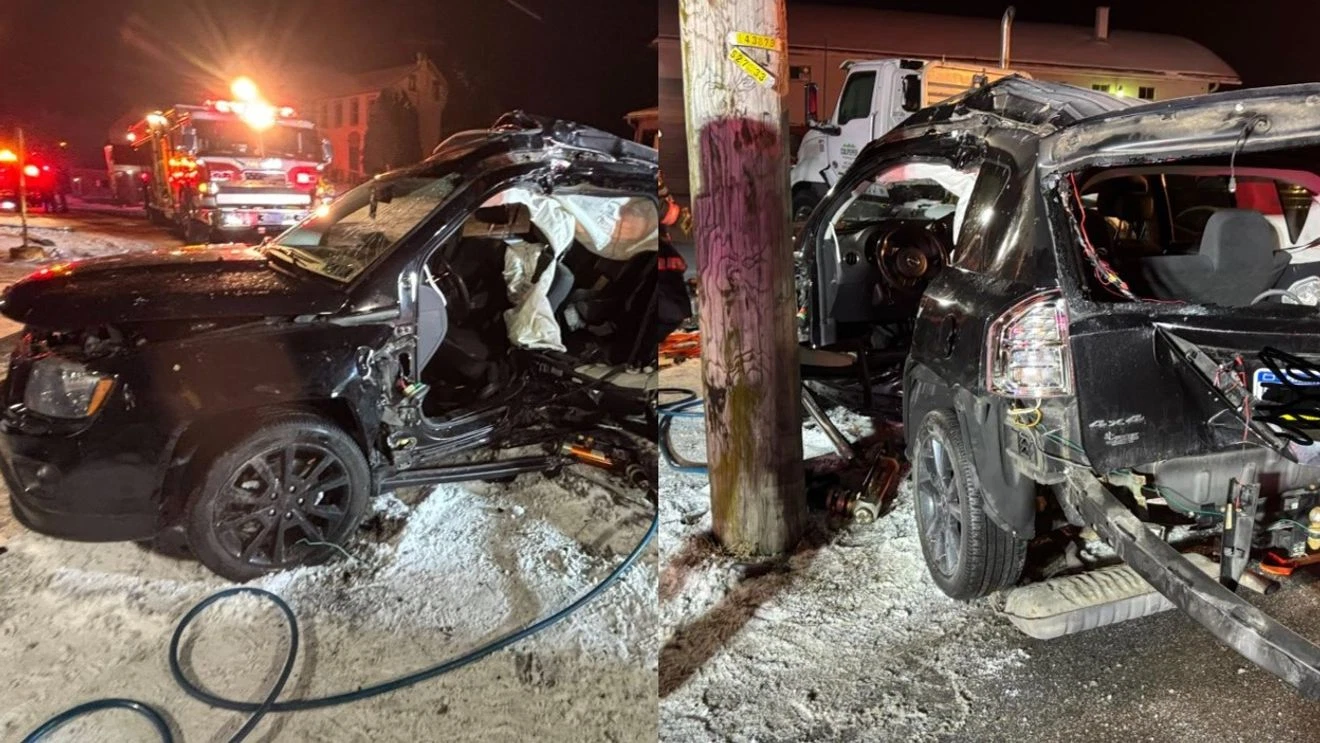
One person was killed in Tacoma early Sunday morning after a stolen car crashed while trying to evade Washington State Patrol troopers. The incident began when a trooper tried to stop the car on southbound State Route 509 near Port of Tacoma Road, but the driver fled, continuing southbound before losing control and crashing into a power pole at approximately 110 mph near 21st Street and Pacific Avenue. The crash killed the front seat passenger, who was pronounced dead at the scene. The driver, now in custody, was seriously injured, while the rear seat passenger was also seriously injured and taken to the hospital. Charges for the driver include vehicular homicide, vehicular assault, possession of a stolen vehicle, and DUI.
The 110 mph speed when the car crashed into the power pole represents velocity far exceeding what typical vehicles can safely handle, particularly on city streets where sharp turns, traffic signals, and infrastructure create obstacles. Whether the driver was traveling that speed throughout the pursuit or accelerated to that velocity immediately before losing control affects assessment of pursuit dynamics. The fact that a power pole strike at 110 mph killed one person while leaving driver and rear passenger alive, though seriously injured, reflects both violent impact forces and random chance in how crash energy affects different occupant positions.
The location near 21st Street and Pacific Avenue in Tacoma places the crash in mixed commercial and residential area where 110 mph creates extreme danger not just to vehicle occupants but to pedestrians, other drivers, and people in buildings. Whether the crash occurred during hours when streets were relatively empty or when significant traffic and pedestrian activity existed affects how many other people were endangered beyond the three vehicle occupants. The early Sunday morning timing suggests potentially reduced traffic compared to weekday rush hours, though bars and restaurants closing might mean pedestrians and drivers in the area.
The pursuit originating on SR-509 near Port of Tacoma Road and ending at 21st and Pacific represents several miles of chase through urban Tacoma. Whether troopers maintained active pursuit throughout, backed off when speeds became excessive, or attempted to terminate pursuit before the crash affects liability questions and assessment of whether pursuit policy was followed. Washington State Patrol pursuit policy, like most agencies, requires weighing public safety risks of pursuit against need to apprehend fleeing suspects, with supervisory approval needed and termination required when risks exceed justification.
The DUI charge indicates either that driver was visibly impaired when arrested at crash scene, that field sobriety or chemical tests were conducted at hospital and showed intoxication, or that evidence from the scene suggested impaired driving. Whether driver was impaired by alcohol, drugs, or both affects prosecution and whether impairment contributed to the decision to flee, inability to control vehicle at high speed, or crash itself. DUI combined with vehicular homicide creates particularly serious charges with potential for decades of incarceration.
The vehicular homicide charge for the front passenger’s death reflects Washington law holding drivers criminally liable when their reckless or impaired driving kills passengers who voluntarily got into vehicle. Whether passenger knew car was stolen, whether they encouraged fleeing from police, or whether they were innocent victim unaware of driver’s intentions affects moral culpability though not legal charges against driver. The fact that passenger was in front seat rather than rear might mean they had closer relationship with driver or simply preferred front seating.
The vehicular assault charge for injuries to rear passenger creates additional felony count beyond the homicide. Whether rear passenger survives injuries or dies later affects whether additional homicide charges are filed. The “seriously injured” description without specific details leaves uncertain whether injuries are life-threatening or severe but survivable. Passengers in rear seats typically have lower fatality risk than front occupants in crashes, though 110 mph impacts can overwhelm safety systems designed for crashes at legal speeds.
The possession of stolen vehicle charge adds property crime to the violent offenses, though given the homicide and assault charges, the auto theft becomes relatively minor component of total criminal liability. Whether driver stole the car specifically for this incident or had been driving stolen vehicle for extended period, whether passengers knew it was stolen, and whether the theft connects to other crimes affects full criminal picture.
The trooper’s attempt to stop the car on SR-509 raises questions about what prompted the stop. Whether trooper recognized vehicle as stolen through automated license plate readers, observed traffic violations, or had other probable cause affects whether stop was justified and lawful. If stop was for minor traffic violation and driver fled leading to fatal crash, that creates different narrative than if trooper was specifically targeting known stolen vehicle.
The decision to flee when trooper attempted stop demonstrates either that driver had outstanding warrants or other reasons to desperately avoid arrest, that impairment affected judgment about consequences of fleeing, or that some combination of factors made fleeing seem preferable to stopping despite obvious risks. Whether driver has significant criminal history suggesting prison time if caught, whether they panicked due to intoxication, or whether passengers influenced decision to run affects understanding of choices that led to fatal crash.
For the trooper who attempted the stop and presumably pursued or monitored the fleeing vehicle, the outcome creates professional and personal impact. Officers involved in pursuits that result in deaths, even when following policy and not directly causing crashes, often experience trauma and second-guessing about whether different tactics might have prevented fatality. Whether WSP conducts internal review of pursuit decisions, whether trooper followed policy, and whether any modifications to procedure result from this incident affects both accountability and future pursuit protocols.
The power pole strike at 110 mph likely caused significant damage requiring utility response to repair electrical infrastructure and restore power if outages resulted. Whether the crash created extended power outage affecting homes and businesses, whether pole needed complete replacement, and whether utility costs are assessed against driver as restitution affects full scope of damage beyond the human casualties. Power pole crashes can cause fires, downed lines creating electrocution hazards, and infrastructure damage costing tens of thousands to repair.
The front passenger’s death at scene indicates injuries severe enough that emergency responders couldn’t revive them, likely meaning massive trauma from impact forces. Whether passenger was wearing seatbelt, whether airbags deployed, and whether vehicle structure failed at extreme impact speed affects injury patterns. Modern vehicles have crumple zones and safety systems designed for crashes up to certain severity, but 110 mph pole strikes exceed design parameters.
The driver’s serious injuries combined with custody status means either that they were treated at scene sufficiently to be transported to jail, or more likely that they’re hospitalized under guard with formal arrest and charges pending. Whether driver can appear in court from hospital bed for initial hearing or whether arraignment is delayed pending medical treatment affects timing of legal proceedings. The serious injury might generate some sympathy or might be viewed as just consequence of reckless choices that killed passenger.
For families of the deceased passenger and seriously injured rear passenger, the tragedy raises questions about civil liability and whether driver has assets or insurance to compensate for deaths and injuries caused. Stolen vehicle presumably wasn’t insured by driver, and driver facing felony charges likely lacks significant assets. Whether crime victim compensation programs cover passengers injured or killed when their driver commits crimes affects whether families receive financial support for funeral costs, medical bills, and loss.
The charges listed represent initial probable cause determination but might be modified as investigation continues. Prosecutors might add or reduce charges based on toxicology results showing specific intoxicants and levels, investigation into vehicle theft and whether it involved burglary or other crimes, and assessment of evidence strength for each charge. Whether driver is charged in state or federal court, given that some vehicle theft can be federal offense, affects penalties and prosecution.
The early Sunday morning timing suggests weekend nightlife activity potentially contributed to impairment and poor decision-making. Whether driver was returning from bars, parties, or other activities where alcohol or drugs were consumed affects context though not legal culpability. The fact that two passengers were in vehicle suggests social outing rather than solo driving.
For Tacoma residents near 21st and Pacific, the crash scene would have created significant disruption with emergency vehicle response, street closures for investigation, and potential power outages if pole damage affected service. Whether neighbors witnessed or heard the crash, whether debris field extended into residential areas, and whether community members provided witness statements affects investigation and local impact.
The progression from attempted traffic stop to fleeing at 110 mph to fatal crash represents escalation that occurred within minutes, transforming what might have been traffic citation or arrest on outstanding warrant into vehicular homicide case. Whether different trooper tactics, different pursuit policy, or different driver choices at any point could have prevented the death creates difficult counterfactual questions that investigations and courts will examine.
The Washington State Patrol pursuit policy debates, ongoing across law enforcement generally, balance competing imperatives of apprehending criminals who flee versus protecting public from high-speed chase dangers. Whether this incident prompts policy review, whether trooper actions are scrutinized or validated, and whether broader pursuit practice changes result affects how agencies handle future situations where suspects flee.
For the driver, now facing vehicular homicide, vehicular assault, stolen vehicle, and DUI charges while seriously injured and having killed a passenger, the consequences include potential decades of incarceration, permanent criminal record, civil liability, and psychological burden of having caused a death. Whether driver accepts responsibility, fights charges, or seeks plea agreement affects legal proceedings and ultimate accountability.
The Tacoma pursuit crash, killing front passenger and seriously injuring rear passenger and driver when stolen car hit power pole at 110 mph fleeing WSP trooper, represents tragic culmination of choices including vehicle theft, impaired driving, fleeing police, and excessive speed that combined to transform what might have been arrest into fatal collision. Whether lessons learned prevent future similar incidents, whether pursuit policies strike appropriate balance between apprehension and safety, and whether criminal justice response provides accountability and prevents recidivism remain open questions as investigation continues and prosecution proceeds against driver whose choices killed a passenger and forever altered multiple lives.