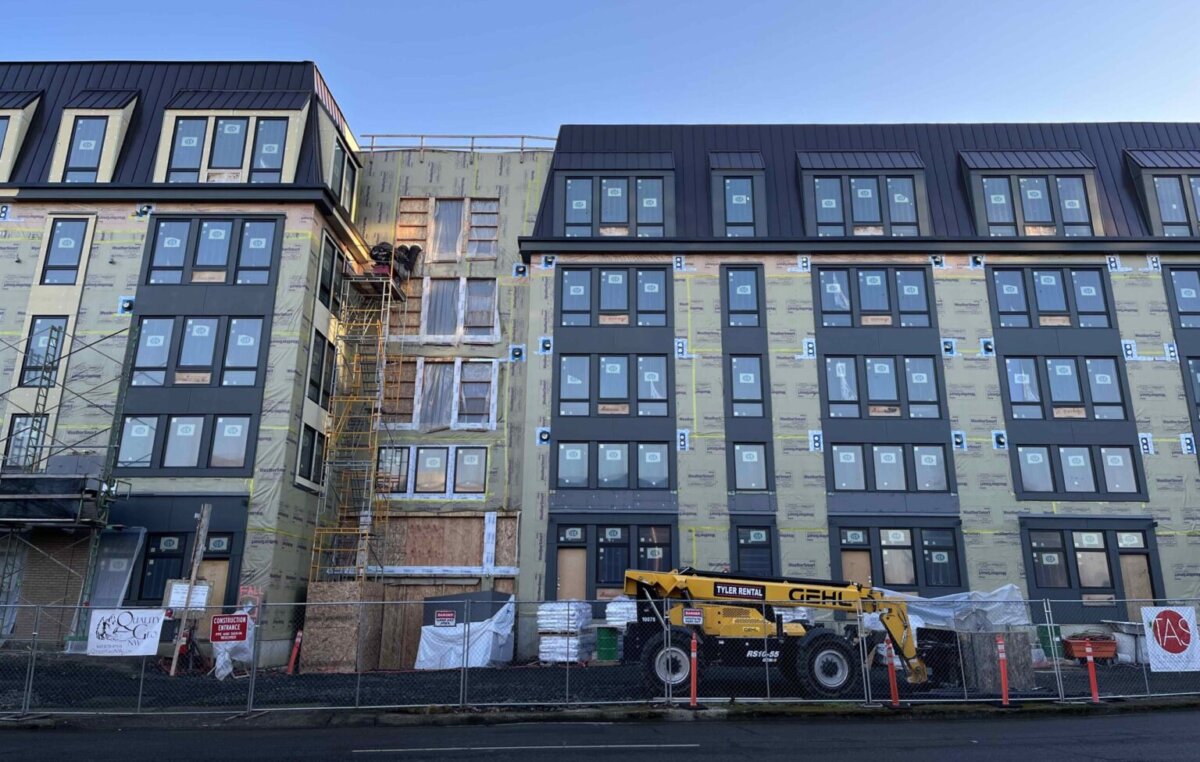
The Washington State Department of Commerce announced $54.5 million in grants to bolster affordable housing across the state. The funding will connect 70 housing projects to essential water-related infrastructure, facilitating creation of 4,517 new affordable housing units from Vancouver to Spokane. The grants, which can reach up to $1 million per project, are part of the Connecting Housing to Infrastructure Program established in 2021. CHIP funds waterworks infrastructure including extending or upsizing water and sewer pipes and enhancing stormwater management, and also reimburses public utilities for connection fees waived to bring water utilities to these projects.
Governor Bob Ferguson, who has prioritized addressing the state’s housing crisis since taking office, emphasized the urgency. “We urgently need more affordable housing all across Washington,” he said. “My administration is taking action to address our affordable housing crisis.” The state anticipates needing over a million new homes by 2044 to accommodate population growth.

Projects receiving CHIP funds must allocate at least 25% of new units as affordable for low-income households earning less than 80% of area median income. This round of funding includes a pilot program supporting moderate-income housing in Chelan, Douglas, and Okanogan counties, with approximately $5 million aiding projects for those earning between 80% and 100% of state median income in Wenatchee, Chelan, and Winthrop.
The infrastructure-focused approach recognizes that water and sewer connection costs often make affordable housing projects financially infeasible. Whether offsetting these costs through CHIP funding actually enables projects that wouldn’t otherwise happen, or whether it simply subsidizes developments that would proceed anyway, affects the program’s efficiency. The requirement that projects dedicate at least 25% of units to households under 80% AMI attempts to ensure public investment produces public benefit rather than subsidizing market-rate development.

The $54.5 million divided across 4,517 units represents roughly $12,000 per unit in infrastructure subsidy, a fraction of total development costs but potentially the difference between feasibility and abandonment for projects with tight margins. Whether developers leverage CHIP funding to access additional financing, or whether infrastructure costs represent primary barrier they face, affects how transformative the program proves in actually increasing affordable housing supply.
The pilot program for moderate-income housing in rural counties reflects recognition that 80% AMI threshold doesn’t capture housing affordability challenges in areas where median incomes are lower but housing costs remain substantial. Workers earning 80-100% of state median income in places like Wenatchee face affordability pressures despite not qualifying for traditional affordable housing programs designed for lower-income households.
In Sequim, the 50-unit affordable housing project partnering with Clallam County Habitat for Humanity demonstrates CHIP’s support for nonprofit housing development. In Vancouver, the Lincoln Place II supportive housing building with 40 permanent supportive units receiving $493,000 in CHIP funds shows how infrastructure investment enables housing serving extremely vulnerable populations including formerly homeless individuals needing wraparound services.