
A school bus driver was arrested after allegedly engaging in sex acts on a school bus following a money exchange. According to Dover Police Department, 62-year-old Alvin Rohm was taken into custody after he allegedly engaged in sex acts on a school bus on January 6. The arrest followed discovery of alleged incriminating video by a local school district employee reviewing footage for an unrelated investigation.
The video showed Rohm, a driver for a contracted bus service, picking up a female from a roadway. Once parked, Rohm was seen engaging in sex acts with the female and exchanging money. Rohm, who is not employed by the school district, was charged with patronizing a prostitute within 1,000 feet of a school, residence, church, or place, and lewdness. He was arrested January 12 without incident and released on own recognizance bond.
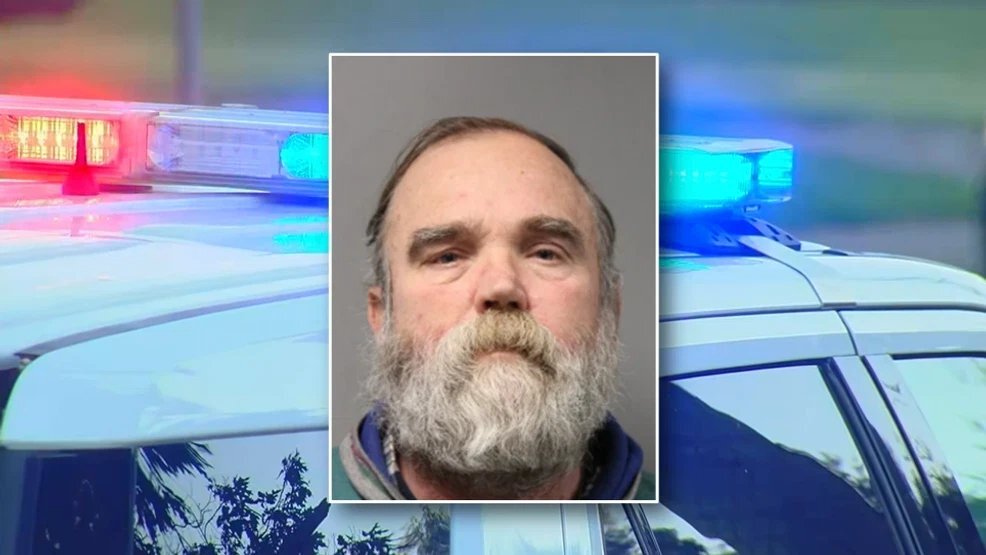
The discovery through unrelated video review demonstrates how security cameras installed to monitor student safety can reveal staff misconduct. Whether the bus was in service earlier that day transporting students, whether it was between routes, or whether Rohm used the vehicle during off-hours affects severity and potential additional charges. The fact that video existed and was being reviewed suggests either routine audits or investigation into separate incident that happened to reveal this conduct.
The charge specifying “within 1,000 feet of a school, residence, church, or place” reflects enhanced penalties for soliciting prostitution near protected locations. Whether Rohm parked the bus intentionally near such location or simply happened to be within the restricted zone affects intent, though ignorance of location doesn’t eliminate criminal liability.
The own recognizance release for someone charged with using school property for prostitution raises questions about whether courts view him as flight risk or danger to community. Whether the school district or contracting company terminated his employment, whether other drivers face additional scrutiny, and whether bus camera policies change following the incident affects systemic response beyond individual prosecution.