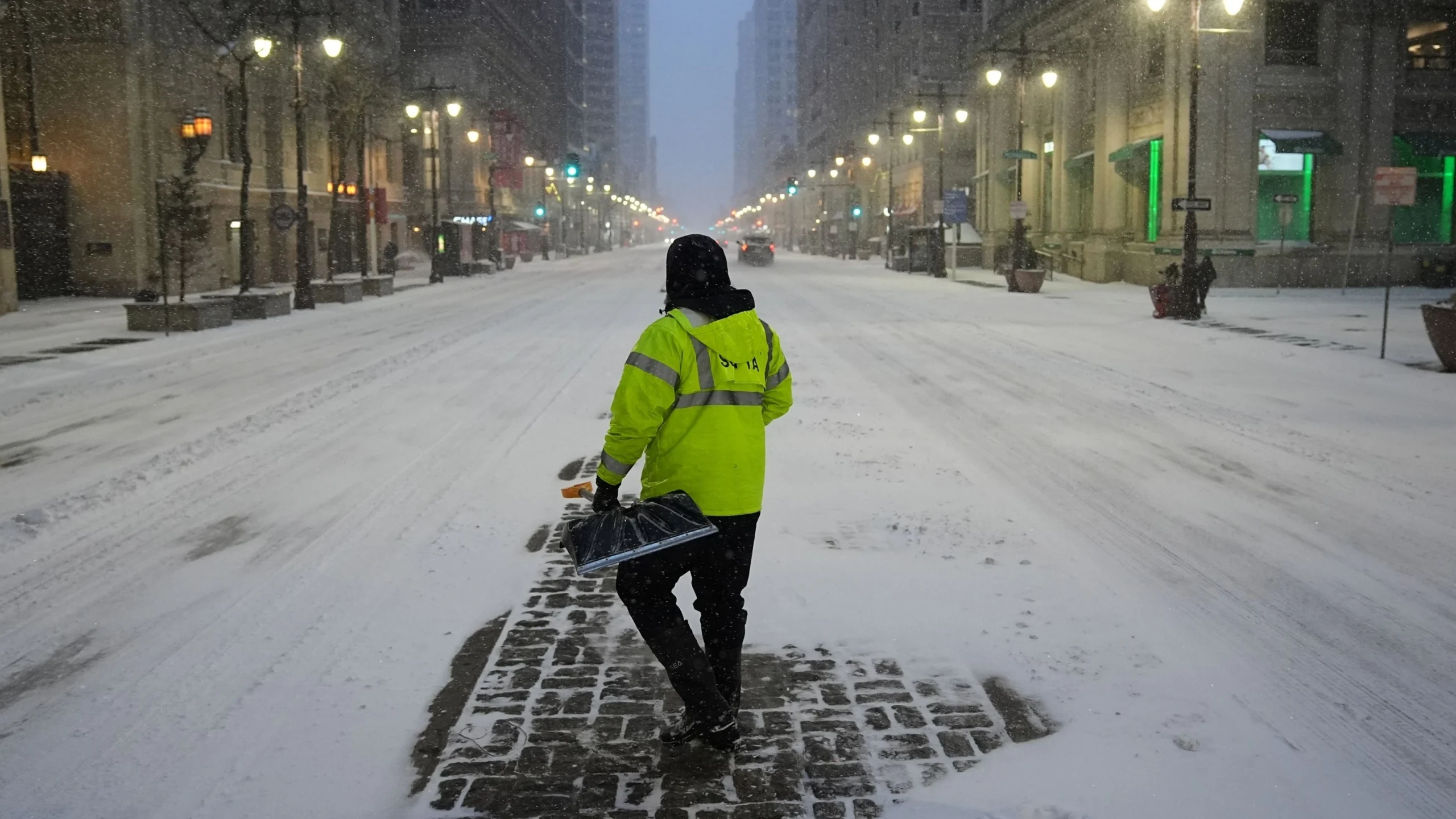
A massive winter storm stretching across 1,500 miles has caused 730,000 power outages across the southern United States, leaving millions grappling with dangerous cold and widespread disruptions.
The storm system has brought heavy snow, freezing rain, and ice accumulation to a region largely unprepared for severe winter weather. States from Texas through the Southeast are experiencing conditions more typical of the upper Midwest, straining infrastructure not built to handle prolonged freezing temperatures.
Power outages represent the most immediate threat. When temperatures drop below freezing and homes lose heat, hypothermia becomes a risk within hours. Texas faces particular vulnerability: the state’s independent power grid struggled during a similar winter storm in 2021 that left hundreds dead and millions without power for days.
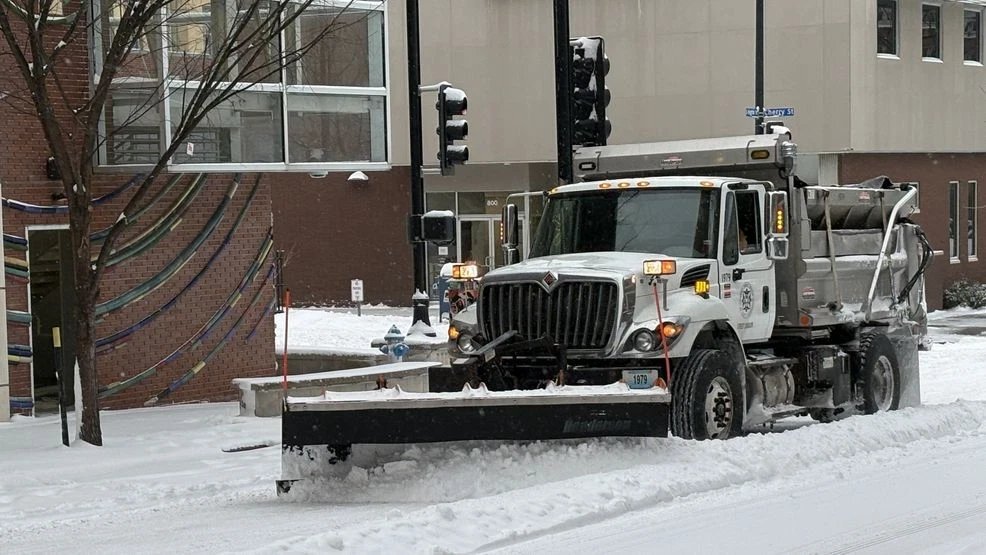
The 1,500-mile reach means multiple states face emergencies simultaneously, making mutual aid and resource sharing difficult. Utility crews and emergency equipment can’t be redirected as easily when neighboring states all need help at once.
Freezing rain creates especially hazardous conditions. Unlike snow, ice accumulation makes roads impassable and weighs down power lines until they snap. Tree branches coated in ice break and fall onto infrastructure. The damage compounds as the grid tries to reroute power.
Southern states typically lack the snowplows, salt trucks, and winter equipment that northern states maintain. Travel becomes dangerous from both ice and drivers unaccustomed to winter conditions. Emergency declarations across multiple states allow governors to mobilize National Guard troops, but those measures work better before the storm hits than during it. Once roads become impassable, even emergency vehicles struggle to reach people in need.
For residents who lost power, the choice is between sheltering in place without heat or attempting to travel to warming centers on dangerous roads. Neither option is risk-free when temperatures are life-threatening.