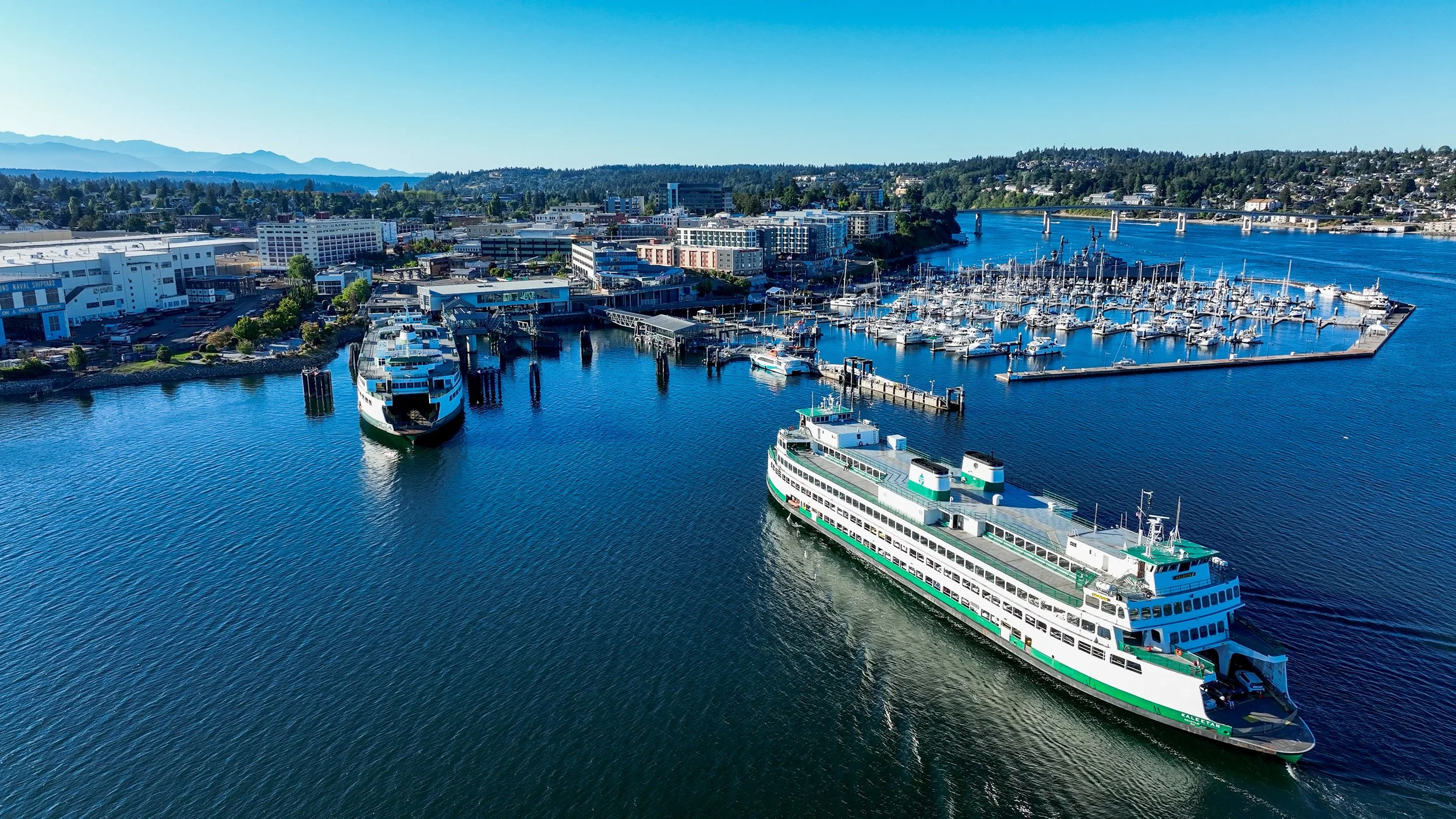
Washington State Ferries has resumed two-boat service on the Seattle-Bremerton route following successful vessel repairs, just in time for Sunday’s Seattle Seahawks game.
Two-boat service resumed Saturday afternoon, beginning with the 5:30 p.m. sailing from Bremerton to Seattle. Service on the route will operate with two boats on Sunday, Jan. 25, though the 10:15 p.m. Bremerton-to-Seattle sailing will be canceled to accommodate vessel movements.
Weekday service on the Seattle-Bremerton route will shift back to one-boat operation starting Monday, Jan. 26, with riders advised to follow vessel No. 2 sailing times. Two-boat service will resume on weekends beginning Saturday, Jan. 31. On Sunday nights, the 10:15 p.m. Bremerton-to-Seattle sailing will continue to be canceled to accommodate boat moves.
Washington State Ferries said the schedule changes are due to the system being short one vessel needed to operate the full winter schedule. Full two-boat service on the route is expected to be restored once another vessel is repaired.
The ferry Wenatchee has returned to service as vessel No. 1. The vessel resumed operations with the 2:10 p.m. sailing from Bainbridge Island to Seattle, restoring that route to full capacity and two-boat service.
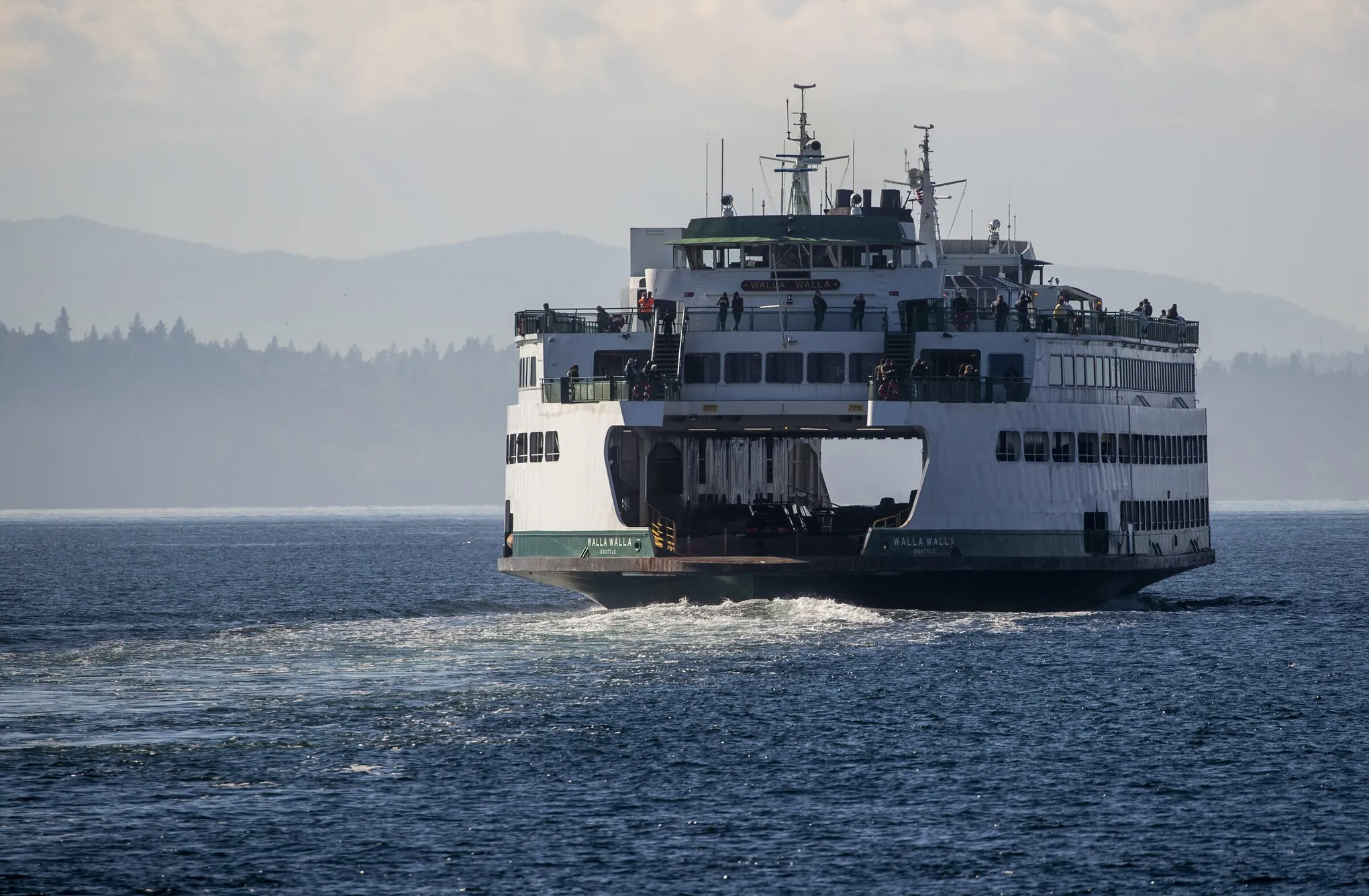
The Walla Walla, which can carry up to 188 vehicles, remains out of service after damage was discovered on both its propellers at the end of the year. Both propellers are being replaced in dry dock, leaving the Seattle-Bremerton route dependent on other vessels. The earliest WSF expects to have the Walla Walla back is after both propellers are fully replaced and the vessel completes safety inspections.
The timing matters for commuters and Seahawks fans. Sunday’s NFC Championship game will draw thousands of passengers across Puget Sound, and two-boat service increases capacity and reduces wait times. Single-boat operation means longer gaps between sailings and potential vehicle backups during peak hours.
Washington State Ferries operates the largest ferry system in the United States, but aging vessels and maintenance delays have created ongoing service disruptions. The system struggles with a fundamental problem: too few boats to maintain full schedules when vessels need repairs. When one ferry goes down for maintenance, the entire route network feels the impact.