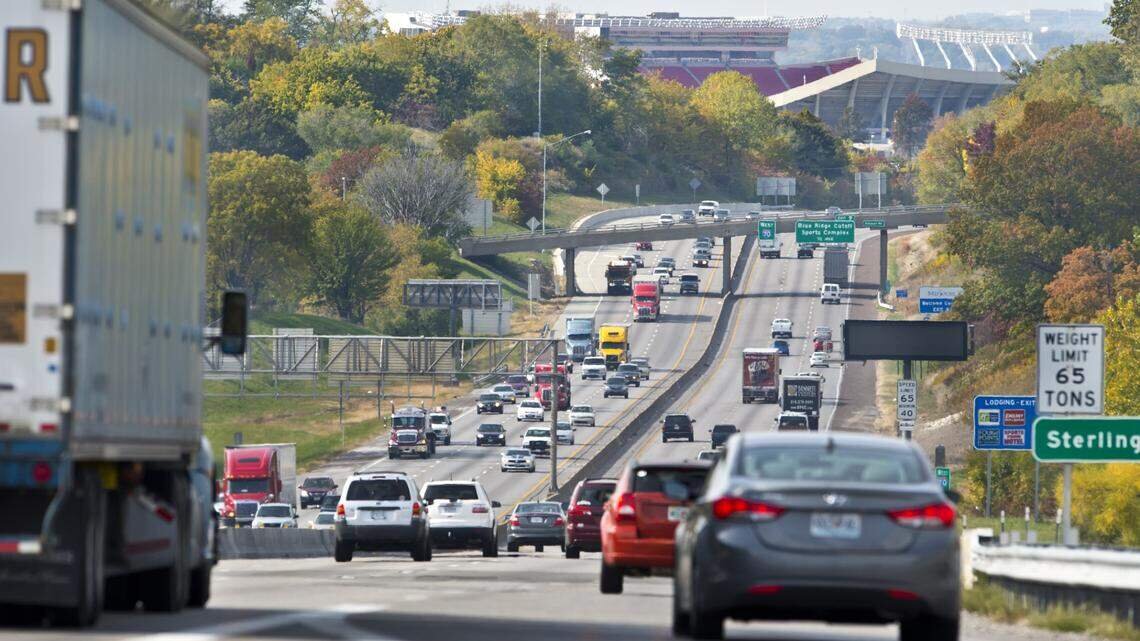
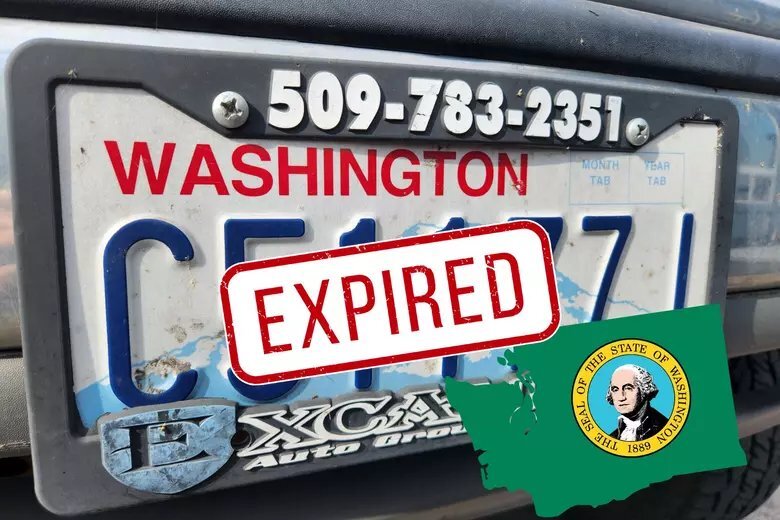
Nearly 600,000 Washington drivers were on the road with expired tabs last year, costing the state at least $25.6 million in lost revenue, as rising car-tab fees push more residents to opt out of registration altogether.
State estimates show the lost revenue calculation uses only the base registration fee. For many households, once vehicle value-based charges and local transit taxes are added, the actual cost is significantly higher. Rising car-tab fees, driven in part by Sound Transit RTA taxes and the expanding light rail system, have made registration unaffordable for some drivers.
Instead of lowering costs, lawmakers are moving toward tougher enforcement. Senate Bill 6176 would allow vehicles to be cited for expired tabs even when parked and not being driven, expanding enforcement onto public streets, public property, and some paid parking lots.
Supporters say the measure is about fairness and recovering lost revenue. Critics argue it’s a sign the system is broken, and that raising costs has pushed everyday drivers out of compliance rather than increasing collections.
The question is whether enforcement solves a compliance problem or simply punishes people who can’t afford registration. When 600,000 drivers skip renewals, that suggests a systemic issue rather than individual defiance. Car tabs in the Seattle area can exceed $500 annually for newer vehicles once Sound Transit taxes are included, a cost that hits working families harder than wealthier households.
Expanding enforcement to parked vehicles means people could receive citations without even driving, turning residential streets into ticketing zones. The approach may recover some revenue, but it risks further alienating drivers who already feel priced out of the system.