
Seattle Public Schools is launching new rules for responding to immigration officer sightings near schools, about a week after six south Seattle schools went into shelter-in-place over unfounded rumors of federal agents near school property.
School staff never saw any ICE activity despite receiving reports of officers in nearby neighborhoods. Interim Superintendent Fred Podesta said he wants people to know the district’s stance and the work ongoing to keep students safe. “We think schools are safe. They’re a safe place to be. We don’t want anybody to be afraid to come to school because we’re trying to be prepared for something.”
SPS is launching a Report or Rumor of Immigration Enforcement protocol. Under the new rules, staff who see or hear about immigration activity near a school should immediately inform the principal and report to safety and security teams. Security will convene a central response team and a school leader to identify potential safety concerns and determine how to respond.
A special educator named Jella from Aki Kurose Middle School said at a board meeting that the majority of students in her class did not come to school the day after the shelter in place. “There has not been any type of district curriculum or suggestions of how you can develop conversations with your students, how they can ask about what their rights are. At the end of the day, I don’t want to see my student running down the hallway screaming, ‘Miss Jella, I don’t want to be killed! I don’t want to lose my family.’ We have to do better.”
Families can expect to receive a copy of the plan, while training sessions are scheduled for school leaders. Current protocol when immigration enforcement is on campus requires front office staff to ask officers to wait outside while they contact the principal, and refrain from providing information about any student or staff member.
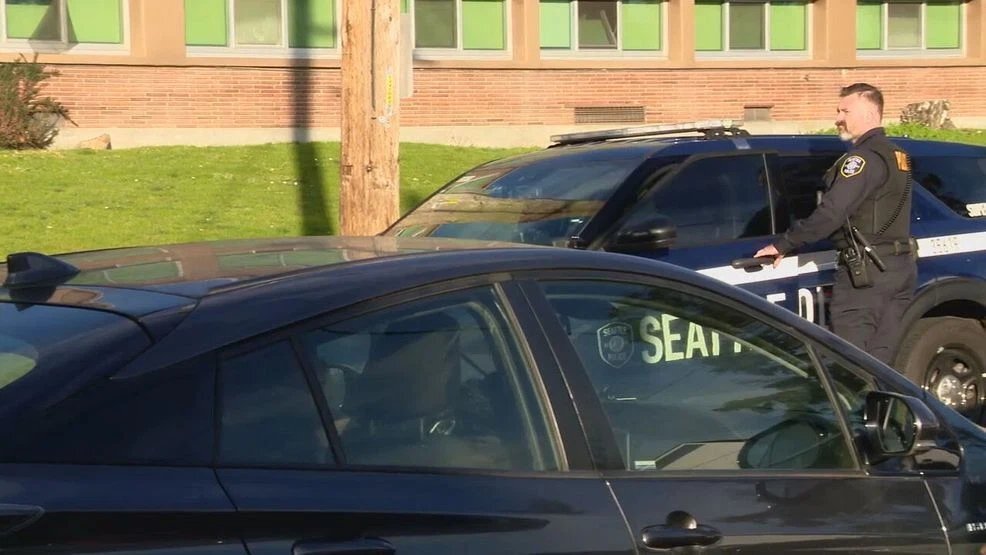
Seattle police reported it did not receive any tips of ICE activity near campuses and that those went directly to the school district. SPD emphasized it abides by state laws that keep the agency from participating in immigration enforcement.