Iranian Supreme Leader Ayatollah Ali Khamenei escalated threats against the United States over the weekend, warning that American military action would trigger warfare across the entire Middle East region as Washington attempts to force Tehran back to the negotiating table.
Washington has positioned significant military firepower near Iran without launching attacks. The USS Abraham Lincoln carrier strike group, bombers, fighter aircraft and additional assets now sit within range of Iranian territory. President Donald Trump has publicly declared that Tehran’s window for negotiations is closing rapidly, threatening to strike Iran “with great power, enthusiasm and purpose” if talks fail.
Khamenei delivered his warning Sunday, declaring that any American assault would produce consequences rippling throughout the region. Iranian officials have explicitly identified Israel as a target for retaliation should Washington authorize strikes. “The Americans must be aware that if they wage a war this time, it will be a regional war,” the supreme leader said. Iran has maintained a defiant public posture since American forces began their buildup, insisting it will not negotiate under military threat.
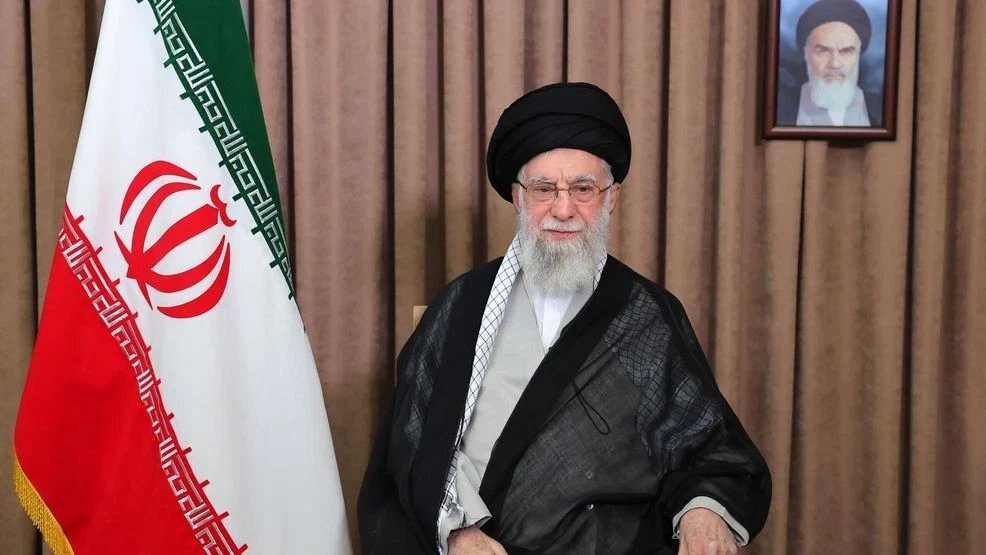
Tehran’s leadership portrays itself as reactive rather than aggressive. “We are not the instigators, we are not going to be unfair to anyone, we don’t plan to attack any country. But if anyone shows greed and wants to attack or harass, the Iranian nation will deal a heavy blow to them,” Khamenei stated. Despite this rhetoric, Iran’s strategic position has weakened considerably. Massive protests over economic collapse required brutal suppression, while a 12-day conflict with Israel last year destroyed critical air defense infrastructure. Even diminished, Iran retains missile capabilities that threaten American troops and regional interests.
Arab governments are working quietly to prevent escalation, concerned about Iranian retaliation spreading instability. The United Arab Emirates and Saudi Arabia have both declared they will not allow their territory or airspace to be used for American operations against Iran, reflecting anxiety about becoming entangled in the conflict. Trump dismissed the threat of regional war while expressing hope for a diplomatic solution. “Why wouldn’t he say that? Of course, he could say that. Hopefully, we’ll make a deal. If we don’t make a deal, we’ll find out whether or not he was right.”
Washington’s demands include complete disposal of Iran’s enriched uranium stockpiles, stringent limits on ballistic missile capabilities, and termination of support for proxy forces throughout the Middle East. These requirements have been Iranian red lines for years and face fierce resistance. Trump claimed over the weekend that Iran was “seriously talking to us,” with senior officials from both countries reportedly planning to meet in Turkey later this week. Whether those discussions can bridge the fundamental gap between American demands and Iranian refusal remains uncertain.