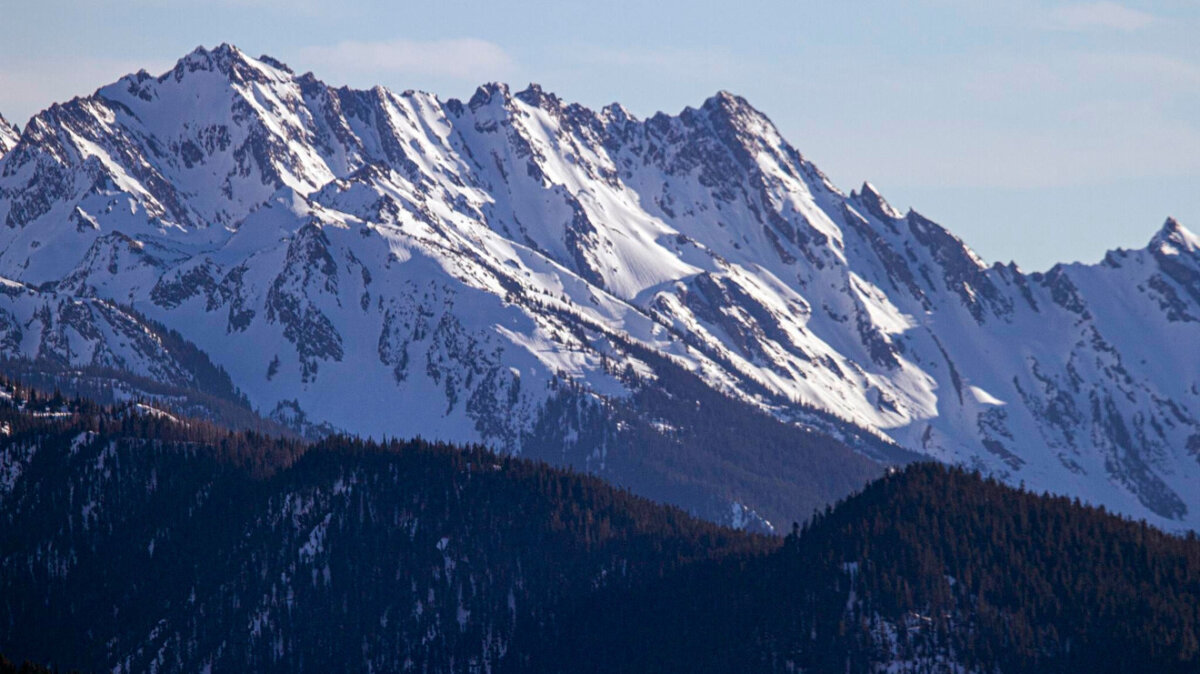
A stretch of mild weather is drawing people outdoors across western Washington, but the unseasonably warm conditions are raising concerns about low mountain snowpack and potential impacts on wildfire risk and summer water supplies.
The latest update on western Washington mountain snowpack from Feb. 3 shows four of five measured areas have snowpack between 37 and 45% of normal. Only the North Puget Sound area is considered adequate at 81%. The five measurement areas include the Olympics, Lower Columbia, South Puget Sound, Central Puget Sound, and North Puget Sound.
A healthy snowpack is important to the region because it reduces wildfire risk by maintaining soil moisture and prevents very dry conditions. The dwindling snowpack could affect the upcoming fire season. “We’ll have the smoke season, and the sun turns bright red. That’s not something that I used to see apart from the last few years,” said Jennifer Alsdorf.
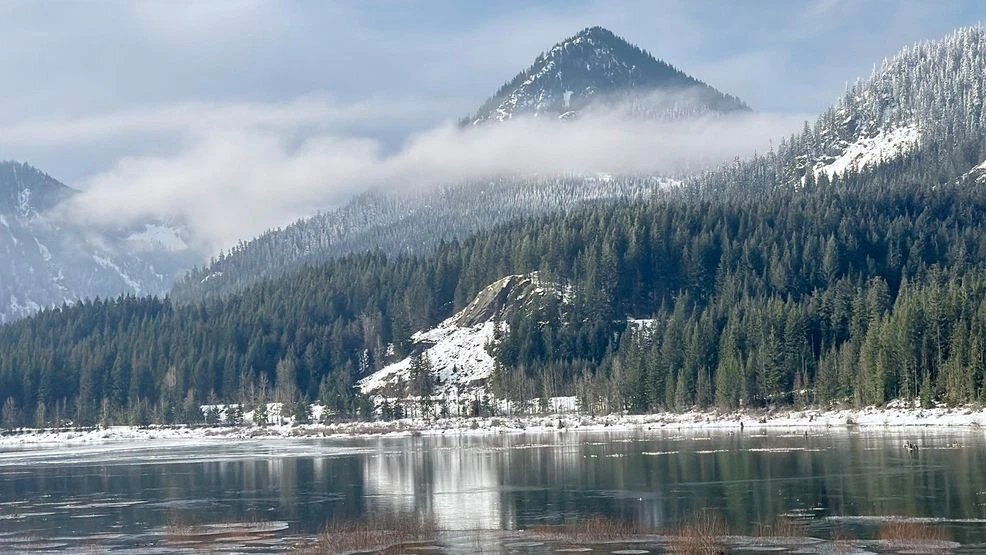
The water supply is also likely to be impacted. Richard Gode, a Kirkland resident, said, “It affects the drinking water supply next summer and agricultural irrigation.” Western Washington relies on mountain snowpack as a natural reservoir that releases water gradually through spring and summer as temperatures rise.
While the current mild weather is pleasant, there’s still time for winter to catch up. The next chance for lowland rain arrives this weekend. Snow levels are expected to lower to 4,000 feet by Sunday and hover around 3,000 feet through mid-week, bringing much-needed snow to ski resorts and mountains.
For Seattle-area residents accustomed to gray winter days, the warm-up provides a welcome break. “We are fortunate enough to have this little fake spring on occasions,” said Jenny Sung, who was born and raised in Seattle. The question is whether these occasional warm spells are becoming more frequent and what that means for the region’s water resources and wildfire risk in the years ahead.