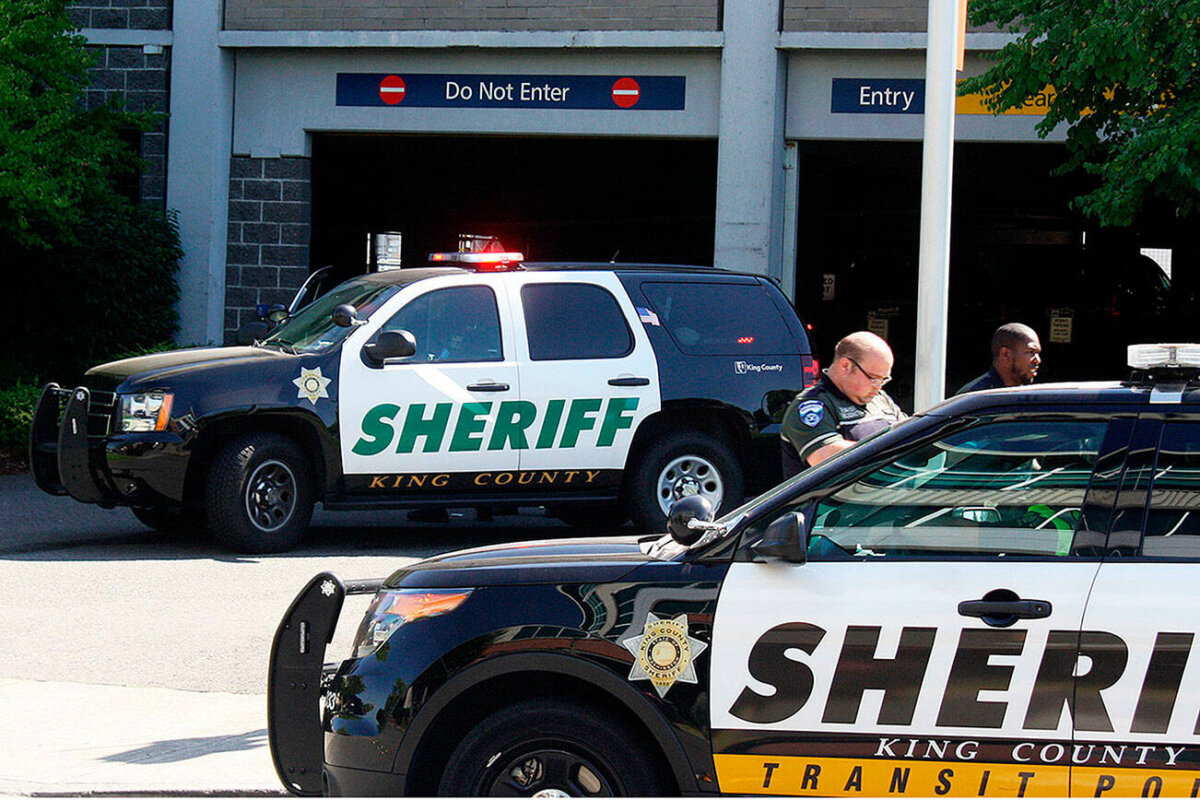
King County’s 911 center answers emergency calls within national time standards but sends officers to mental health crises that could be handled by specialized services because dispatchers lack clear instructions on when to route callers elsewhere, according to an audit released Tuesday.
The King County Auditor’s Office found call takers have no written procedures telling them when or how to transfer people experiencing behavioural health emergencies to Crisis Connections or the 988 Suicide and Crisis Lifeline. Without guidelines, deputies end up making referrals after arriving on scene, consuming patrol resources. Some callers experiencing mental health crises but no immediate danger never get connected to appropriate services.
Auditors examined five years of operations ending in 2025, focusing on behavioral health emergencies, vulnerable populations, and staffing problems. The county’s 11 dispatch centers collectively answer more than 300,000 emergency calls each year. Leadership instability has hampered progress on creating better systems for mental health calls. The center operates under a rotating captain position rather than a civilian director with emergency communications expertise.
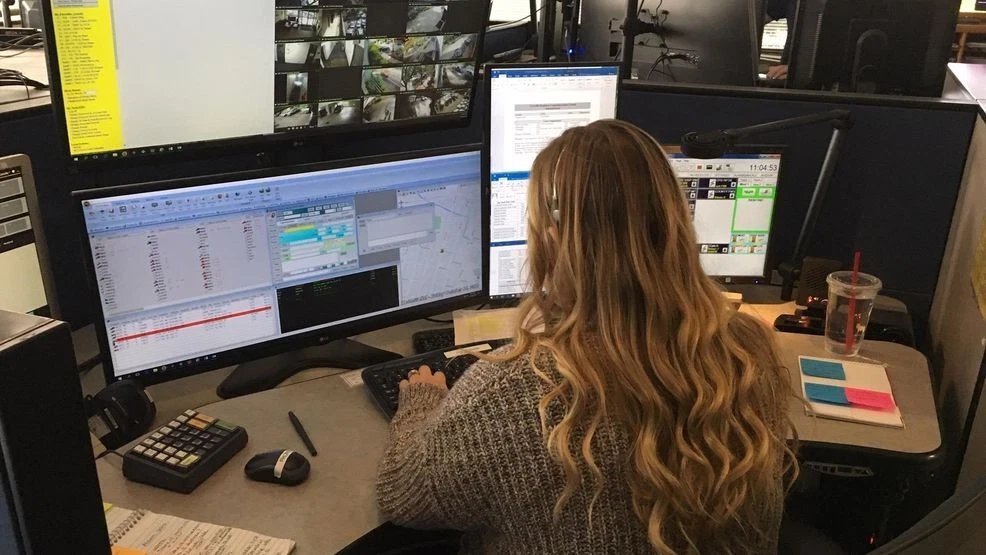
Staffing problems compound the challenges. About one in six dispatcher and call taker positions sits vacant, forcing heavy reliance on mandatory overtime. Roughly half that overtime comes from backfilling shifts when employees take compensatory time off. Supervisors schedule staff manually without software, leaving little time for reviewing call quality.
Despite understaffing and organizational problems, the center meets its performance target of answering 90% of 911 calls within 15 seconds every month since January 2024. “The Sheriff’s Office has committed to taking steps to improve service for vulnerable callers and efficiency of communications center operations,” said Auditor Kymber Waltmunson.
The audit made several recommendations that King County Executive and the Sheriff’s Office accepted: write procedures for routing mental health calls to non-police resources, improve language access, replace the rotating captain with a civilian director who has dispatch experience, and install modern scheduling software. The changes would formalize what advocates have pushed for years, a system that sends counselors rather than deputies to people experiencing psychiatric emergencies.