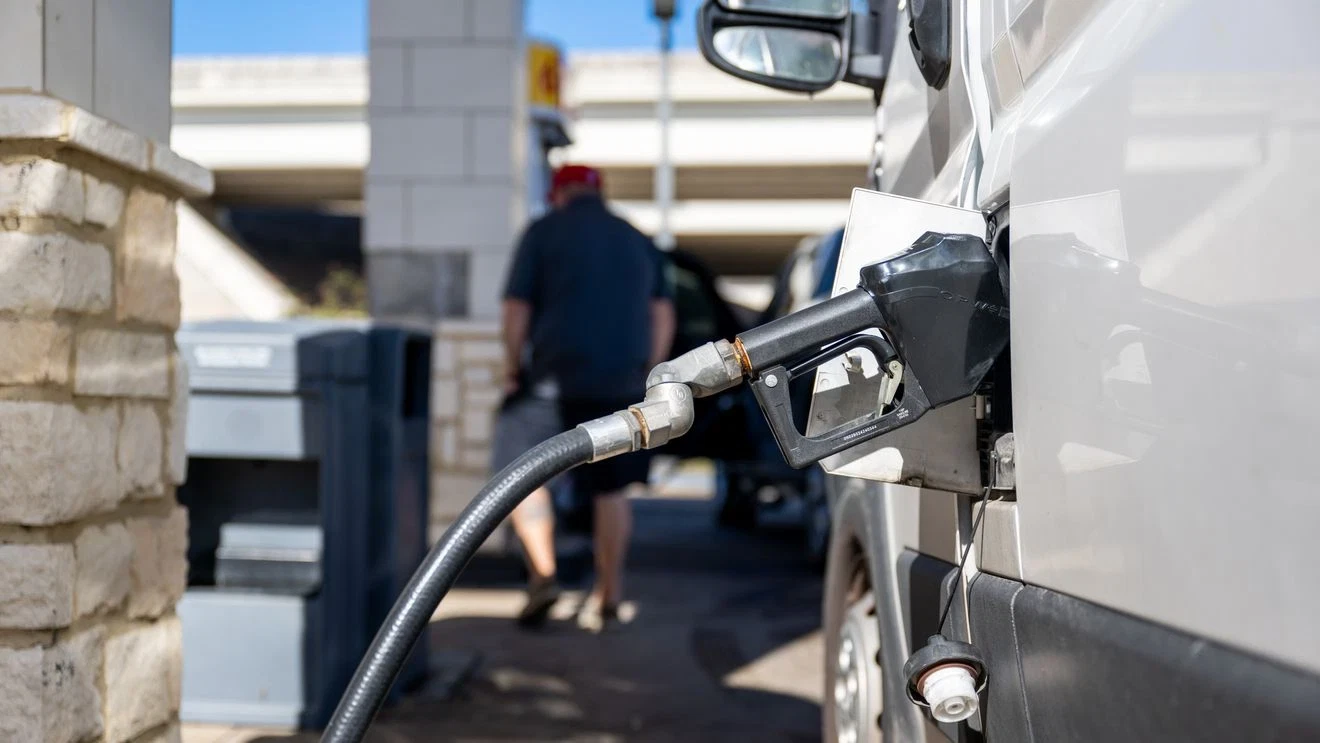
Concerns about the conflict in Iran are pushing Seattle-area drivers to top off their tanks before prices climb further, with analysts warning that prolonged military action could send fuel costs significantly higher in coming days.
Crude oil prices have been volatile, and analysts say if the conflict drags on, drivers will see higher prices at the pump. At a Safeway gas station in Shoreline on 15th Avenue Northeast, customers filled up at $4.19 per gallon, wanting to buy before any significant increase. “I love driving. I love being in my car. One of my favorite things is being around them and working on them. I just want to be able to drive,” said Anna, who put $21 worth of gas into her tank. “I drive out of my way to get the cheapest gas.”
Patrick De Haan, an analyst with GasBuddy, said regular gasoline prices in the Seattle metro area rose more than 4 cents since midnight and could climb further over the next week. “Seattle’s average is about $4.52. We could be above the $4.65 mark in the next three days, and by a week from now we could be closer to $4.70 a gallon, unless things change again,” De Haan said. “In the Middle East, oil prices were all over the map today, at one point rising above $80, then falling below $70. Now we’re back at about $72 a barrel.”
Iran is a major oil producer, and about 20% of the world’s daily oil supply passes through the Strait of Hormuz between Iran and Oman, a key chokepoint that influences global energy markets. “So any way you slice it, a lot of this is happening not just because of the attacks in Iran, but the uncertainty over travel through the Strait of Hormuz,” De Haan said. “Twenty percent of the world’s oil supply flows through that waterway, though not as much at this moment due to the attacks and uncertainty.”
Juana Lemus, who owns a housecleaning business, said one of her biggest expenses is gas to travel to clients’ homes. If fuel costs rise, it will add to existing financial pressure. “Everything is going up and up and up,” Lemus said. James McCafferty, director of the Center for Economic and Business Research at Western Washington University, said consumers should expect prices to rise and suggested price comparing using website tools.
De Haan said some consumers may be reacting out of anxiety but does not expect an immediate or dramatic spike. “I think there’s a lot of anxiety over prices going up and maybe some people are needlessly going to the pump. It’s not like we’re going to see an overnight spike. Prices will move moderately higher, but we’ve seen larger and more significant spikes than what we’re likely to see here.”