A Seattle-area startup developing technology that converts captured carbon dioxide into graphite for batteries is navigating a chaotic policy landscape where the Trump administration’s disinterest in carbon removal clashes with its push for domestic production of critical materials.
Homeostasis is building a process that turns industrial CO2 emissions into graphite, a critical material for batteries that power EVs, drones and grid energy storage. But today’s geopolitical turmoil creates opportunities and challenges that shift constantly. While the Trump administration shows no interest in carbon removal as a climate strategy, it’s enthusiastic about domestic graphite production, an apparent bright spot for the startup. Yet tariffs on Chinese graphite, which now total roughly 200%, risk depressing the broader battery sector, potentially shrinking the market Homeostasis is counting on.
In December, the startup announced a strategic partnership and funding from LAB7, the investment arm of Saudi Arabia’s state-owned oil giant Aramco. The collaboration will help Homeostasis scale its plant operations and refine its graphite processing to ensure it reaches drop-in status for battery manufacturers. The deal is being driven by Saudi Arabia’s goal of quickly building a domestic EV supply chain.

Homeostasis is also eager to supply graphite to North American customers, hoping to compete against China, which produces more than 90% of the world’s battery-grade graphite. Commercial graphite mining largely ceased in the U.S. in the 1950s, and domestic production is just restarting. Synthetic graphite can be produced as a byproduct of crude oil refining, but creating battery-grade material requires a costly, lengthy and energy-intensive process.
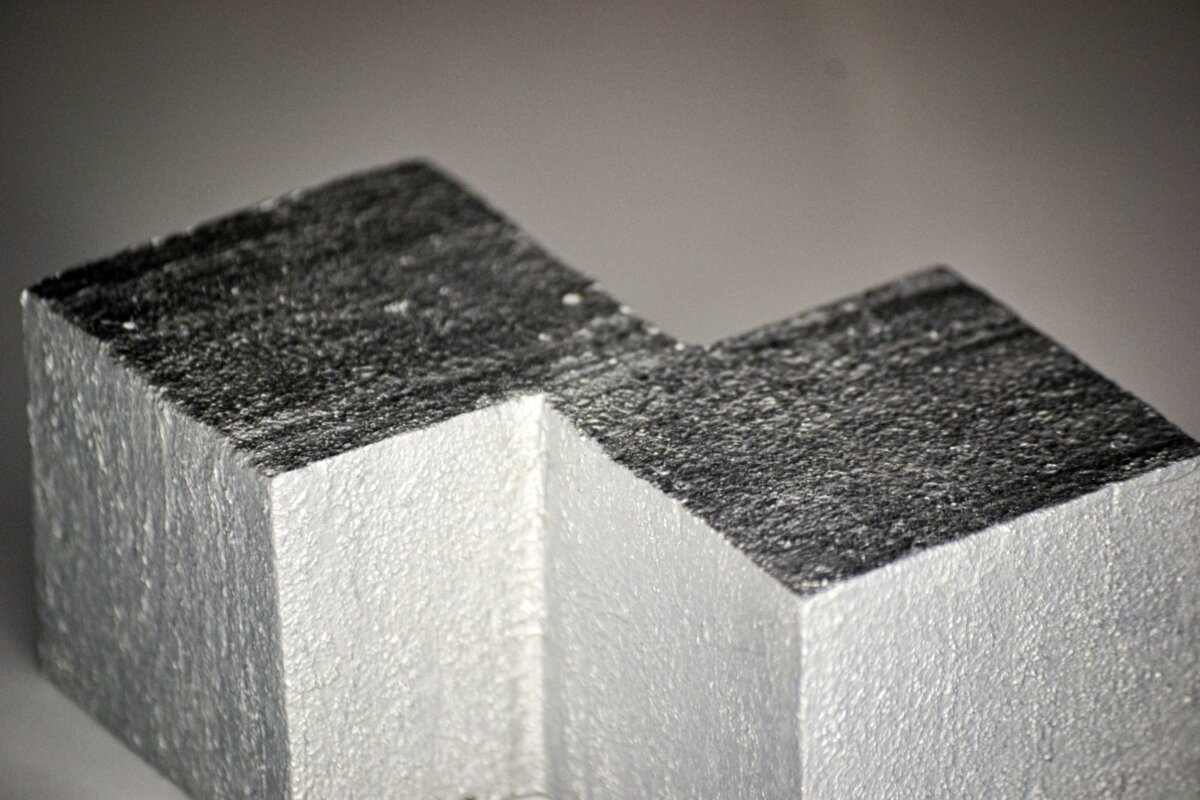
The startup takes a different approach. Its molten salt electrolysis process runs electricity through a high-temperature salt mixture containing dissolved CO2 captured from industrial operations. The carbon deposits onto an electrode as crystalline graphite, with oxygen released as a byproduct. CEO Makoto Eyre and an engineer are based in Tacoma, while a three-person science team led by co-founder Julien Lombardi works out of New York.
Homeostasis last year raised a $600,000 pre-seed investment and $700,000 from Washington’s Climate Commitment Act. The company is hiring engineers in Washington and plans to double its headcount by the end of the year. The startup is currently building a prototype that will produce 1 kilogram, just over two pounds, of graphite daily, primarily to provide samples to Aramco. Within two years, the team aims to open a pilot plant capable of generating tens of tons annually. The longer-term goal is a self-contained system that fits inside a single 40-foot shipping container and produces 100 tons of graphite per year. Homeostasis plans to deploy units at automakers or energy companies with existing carbon capture infrastructure. For Eyre, the current volatility is noise. “To support that we need critical materials, and they need to be low cost. While the policy details might be shifting over time, we’re building solid fundamentals. We are setting the course,” he said.