Washington became one of the last states to regulate automated license plate reader cameras after the Legislature passed privacy restrictions this week, ending years of operation without clear limits on how police collect, store, or share data tracking millions of drivers.
Senate Bill 6002 creates what supporters call guardrails for technology that more than 80 cities, six counties and three tribal governments across Washington already use. Rep. Osman Salahuddin, representing district 48, said the state’s privacy laws were “stuck in the rearview mirror” despite widespread deployment of cameras that scan and record license plates as vehicles pass. “This bill is about common-sense guardrails that protect residents, protect data and preserve the public safety uses of our technology,” Salahuddin said.
Privacy advocates argued the regulations don’t go far enough to address the scale of surveillance happening across the state. Rep. Brianna Thomas, representing district 34, said the cameras create comprehensive maps of people’s lives that extend far beyond solving crimes. “The bill does not meet the scale of the harms that we are seeing. ALPR scan and store data on millions of drivers every day. Over time that creates a detailed account of where people live, where they work, where they recreate, where they attend houses of worship and seek medical care,” Thomas said.
Law enforcement leaders raised different concerns, warning that restrictions on when officers can access the data could hamper investigations into serious crimes that don’t qualify as felonies. Yakima Police Chief Shawn Boyle said limiting the technology to felony cases would prevent tracking suspects in domestic violence incidents and DUI cases, potentially leaving dangerous people free to harm others. “I think the only being able to use for felonies would inhibit, like I’ve already spoken about our misdemeanor domestic violence and DUI. That’s people that will still be on the streets, potentially creating additional victims or re-victimizing the original victim,” Boyle said.
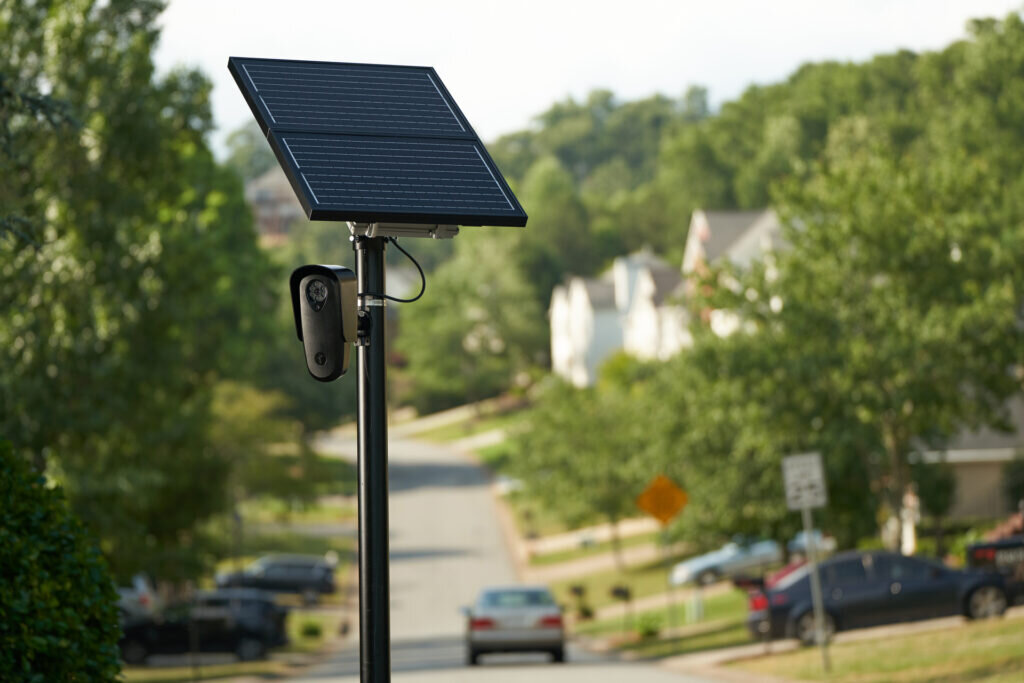
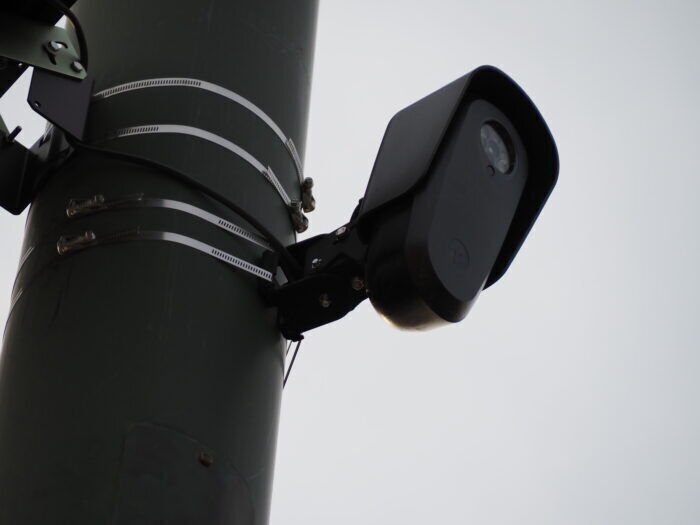
The bill arrives years after many Washington cities and counties installed license plate reader networks without clear legal authority or privacy protections. Cameras mounted on patrol cars, traffic lights, and stationary poles automatically photograph every passing vehicle’s license plate, recording the time, location, and often an image of the vehicle. The data gets stored in databases that officers can search to track where specific vehicles have traveled, creating what privacy advocates describe as detailed surveillance records on millions of law-abiding residents.
Previous efforts to regulate the technology stalled amid disagreements between privacy advocates pushing for strict limits and law enforcement agencies arguing they need broad access to solve crimes. The compromise bill now sitting on the governor’s desk attempts to balance those competing interests by establishing data retention limits, restricting certain uses, and creating reporting requirements while still allowing police to use the cameras for investigations. Whether it strikes the right balance remains disputed, with both privacy advocates and police chiefs expressing reservations about different provisions.