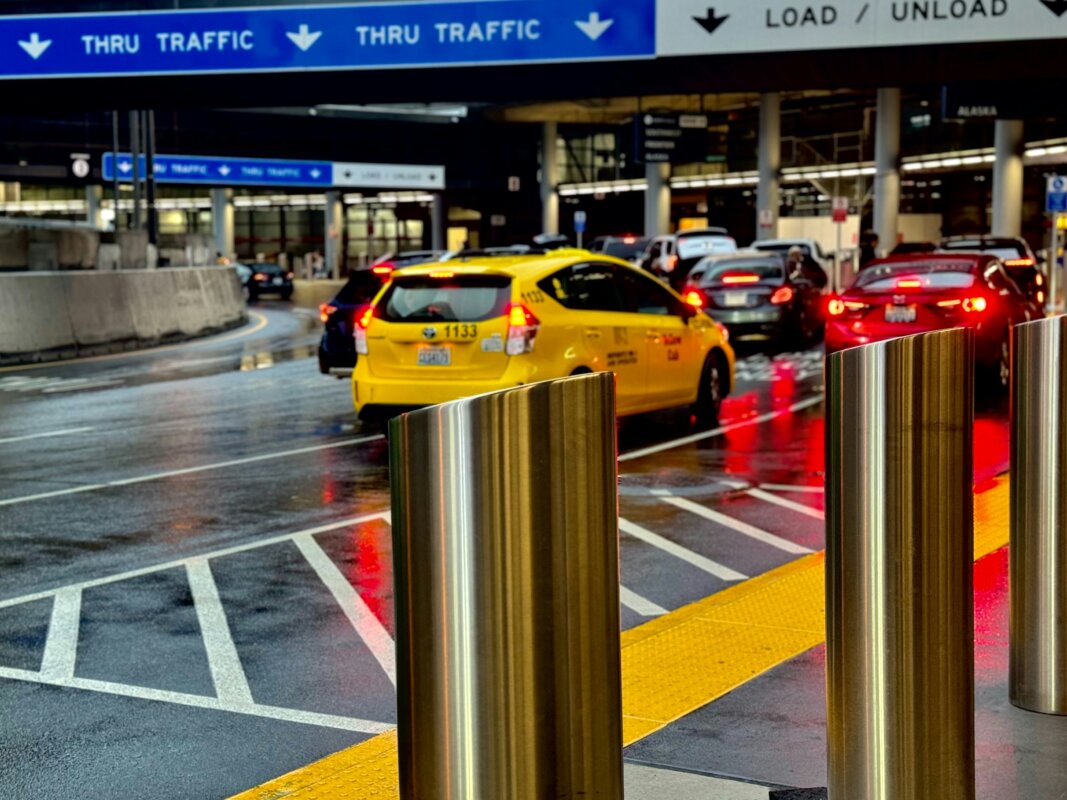
Health officials are tracking potential measles exposures at Seattle-Tacoma International Airport after learning an infected Canadian resident traveled through the facility on March 9, potentially exposing thousands of travelers, airport workers, and visitors to the highly contagious virus before receiving a diagnosis.
Public Health – Seattle & King County issued the warning Friday after being notified of the confirmed case. The infected individual is no longer in King County and health officials have not disclosed their vaccination status or which specific areas of the airport they visited. The lack of detail leaves anyone present at SeaTac on March 9 facing uncertainty about whether they were exposed.
Dr. Sandra J. Valenciano, Health Officer for Public Health – Seattle & King County, framed the airport exposure within the context of rising measles activity across the region and nation. “We are at a pivotal moment with more measles outbreaks happening throughout the U.S. and abroad. As a result, we may see more cases in King County. But getting vaccinated is a key step in preventing measles from spreading in our community,” Valenciano said.

Anyone who was at the airport on March 9 and lacks immunity to measles should expect potential illness between March 16 and March 20, based on the virus’s typical incubation period. Public Health directed people who don’t know their vaccination status or are certain they lack immunity to visit the agency’s measles webpage for information about which parts of the airport may have been contaminated.
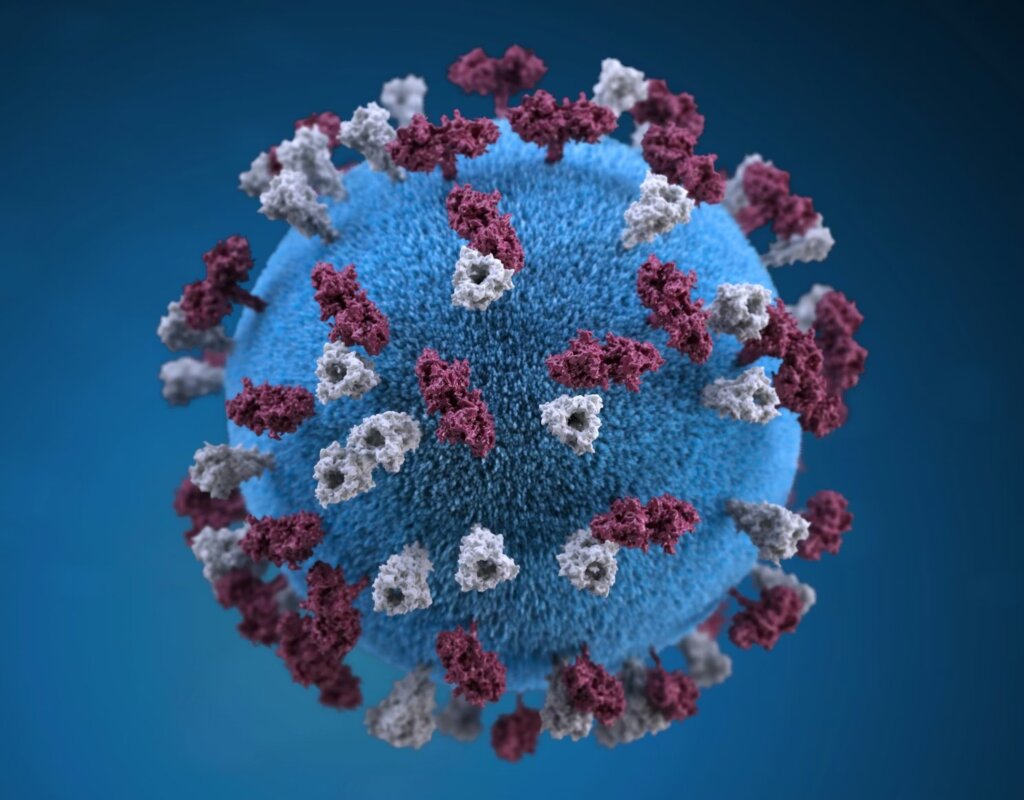
Measles spreads with extraordinary efficiency, remaining viable in air and on surfaces for up to two hours after an infected person leaves a space. Someone without immunity can contract the virus simply by walking through an area where an infected person was present earlier. The disease spreads before symptoms appear, meaning the Canadian traveler was contagious while moving through SeaTac but likely had no idea they were infected.
Washington state has recorded 28 measles cases among residents so far in 2026, more than double the 12 cases confirmed for all of 2025. The sharp increase reflects broader patterns across the United States and internationally, where declining vaccination rates have allowed the virus to regain footholds in communities that had previously eliminated local transmission.
The airport exposure creates particular concern because SeaTac serves as an international gateway handling tens of thousands of passengers daily. On any given day in March, the facility processes domestic travelers, international arrivals, airport employees, retail workers, shuttle drivers, and people picking up or dropping off passengers. The March 9 exposure window potentially affects anyone in those categories who passed through the terminal that day.
Health officials have not explained how they learned about the infected traveler or whether Canadian health authorities notified them after the person received a diagnosis. The case highlights challenges in tracking infectious diseases when infected individuals cross international borders before showing symptoms or receiving medical attention.
People who were at SeaTac on March 9 and develop symptoms including unexplained rash, fever, cough, runny nose, or red and watery eyes should call their doctor before visiting a clinic to avoid exposing others in medical waiting rooms. Getting the MMR vaccine within 72 hours of exposure can still prevent illness in many cases, making rapid action critical for people who realize they may have been exposed.
The warning adds to growing concerns about measles resurgence as vaccination rates decline and international travel increases. What was once considered nearly eradicated in the United States has returned as a recurring public health threat requiring constant vigilance at borders and transportation hubs.