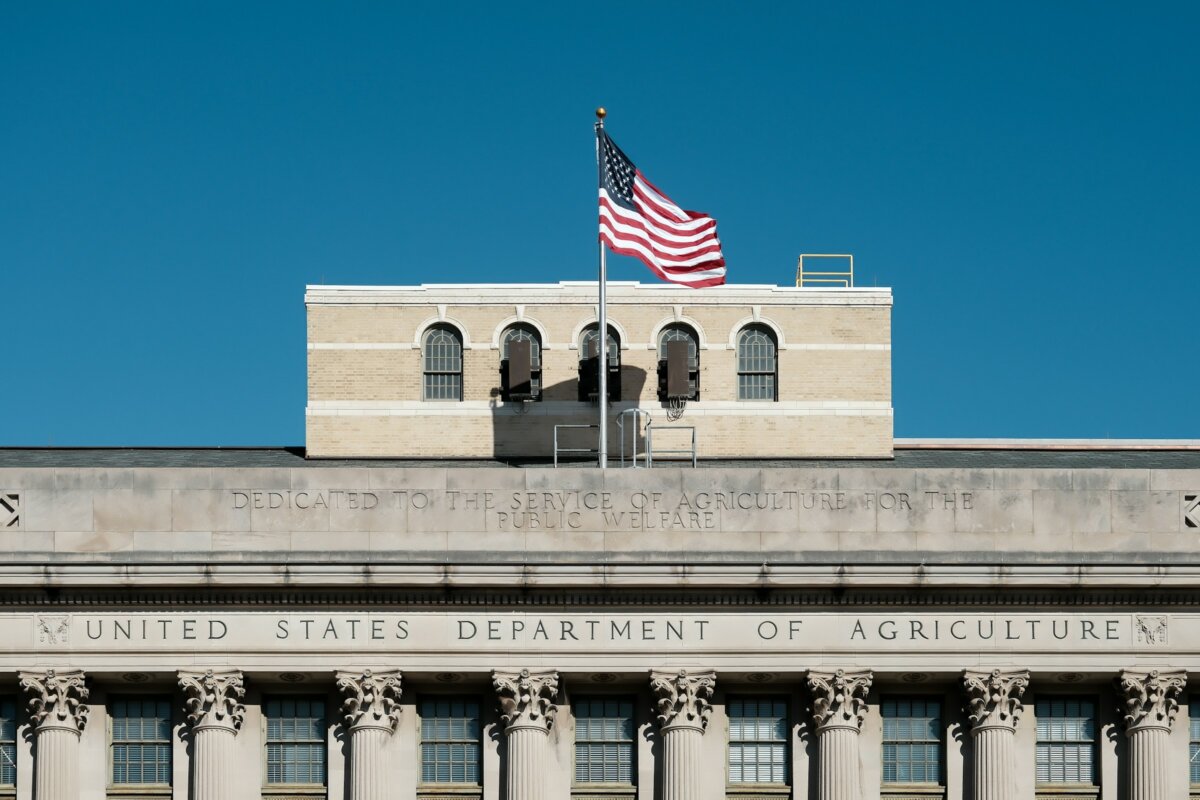
Washington Attorney General Nick Brown launched a legal battle against the U.S. Department of Agriculture Tuesday, accusing the federal agency of holding state nutrition funding hostage by demanding compliance with conditions Congress never authorized, threatening to cut off programs that feed hundreds of thousands of low-income Washington residents.
The multistate lawsuit centers on the USDA’s threats to withhold funding for the Supplemental Nutrition Assistance Program unless states meet federal requirements that Brown argues exceed the agency’s legal authority. Washington receives approximately $129.5 million annually just to administer SNAP, money that pays for the staff, systems, and operations needed to deliver food assistance to eligible residents. Losing that administrative funding would cripple the state’s ability to run the program even if benefit dollars continued flowing.
The stakes extend beyond SNAP. Brown’s office said the USDA’s funding threats also endanger the school lunch program, Special Supplemental Nutrition Program for Women, Infants and Children, The Emergency Food Assistance Program, and the Volunteer Fire Capacity Program. Collectively, these initiatives form the backbone of food security infrastructure across Washington, serving children, pregnant women, seniors, and families struggling to afford groceries.
Brown framed the lawsuit as a defense against federal overreach that violates both constitutional principles and the specific statutes governing SNAP. “The rule of law is on our side,” Brown said in a statement, positioning the legal challenge as necessary to protect vulnerable residents and preserve state authority over program administration.

The complaint alleges the USDA is conditioning funding on requirements related to program data and administration that Congress never authorized when it created SNAP or appropriated money to run it. By threatening to withhold billions in already-appropriated funds unless states comply with these extra demands, the agriculture department is essentially rewriting federal law without legislative approval, according to the lawsuit.
States administer SNAP using federal dollars under a partnership model where Washington sets broad eligibility rules and funding levels while states handle day-to-day operations. The system depends on predictable federal funding to maintain the infrastructure needed to process applications, issue benefits, prevent fraud, and ensure eligible people can access food assistance. Disrupting that funding creates chaos that ultimately harms the people SNAP exists to serve.
Brown’s office warned that cutting off administrative funding would have “catastrophic” consequences for Washington residents who depend on food assistance to survive. SNAP serves as a critical safety net during economic downturns, providing immediate help to families hit by job loss, medical emergencies, or other financial crises. The program also generates economic activity by putting federal food dollars into local grocery stores and farmers markets.
The lawsuit asks federal courts to declare the USDA’s actions unlawful and block the agency from withholding funds or imposing conditions that exceed its statutory authority. The legal arguments rest on established principles that federal agencies cannot attach new conditions to funding that Congress already appropriated for specific purposes, and that the executive branch cannot rewrite laws through administrative demands.

The case represents the latest clash between the Trump administration and Democratic-led states over federal funding mechanisms and the strings attached to those dollars. Similar battles have erupted over education funding, transportation grants, and law enforcement assistance, with the administration using funding threats to pressure states to align with federal policy priorities while states argue such tactics violate constitutional limits on executive power.
For Washington residents who rely on SNAP, the legal dispute creates uncertainty about whether the assistance they depend on will continue uninterrupted. While benefit payments to recipients come from separate funding streams than administrative dollars, states need those administrative funds to maintain the systems that determine eligibility, process applications, and distribute benefits. Cutting administrative funding would eventually break the machinery that delivers food assistance even if benefit dollars technically remain available.
The multistate coalition filing the lawsuit signals that Washington is not alone in facing USDA funding threats, suggesting the agriculture department is applying pressure broadly rather than targeting specific states. That coordinated federal approach appears designed to force nationwide compliance with USDA directives regardless of whether individual states believe those demands are legal.