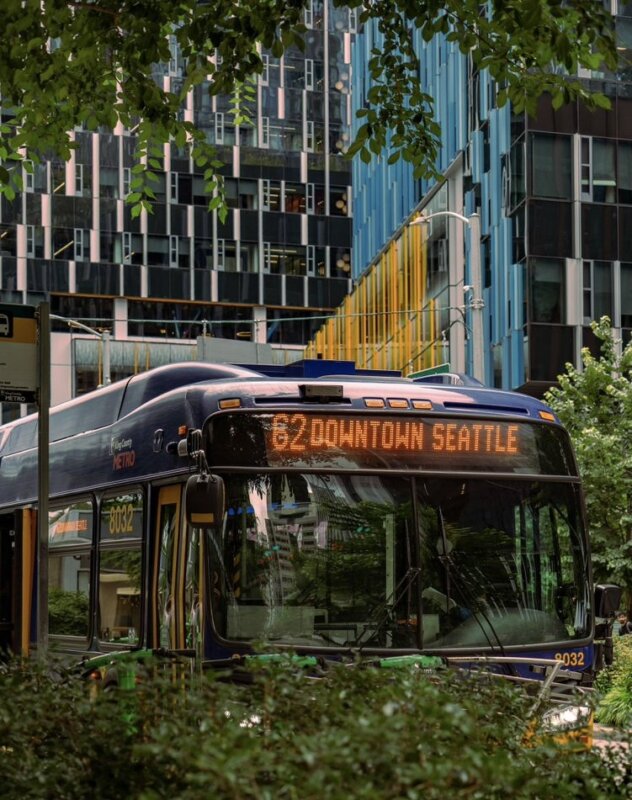
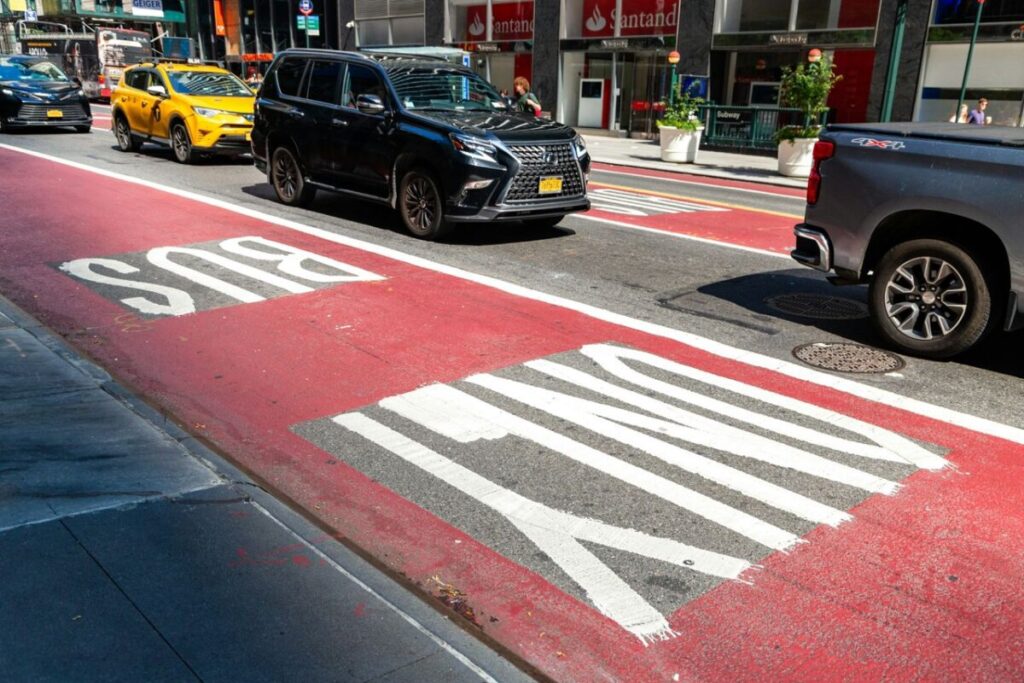
Seattle Mayor Katie Wilson on 22 April announced that the city will convert an existing traffic lane on Denny Way into a dedicated bus lane, making good on a campaign promise to fix one of King County Metro’s most unreliable routes.
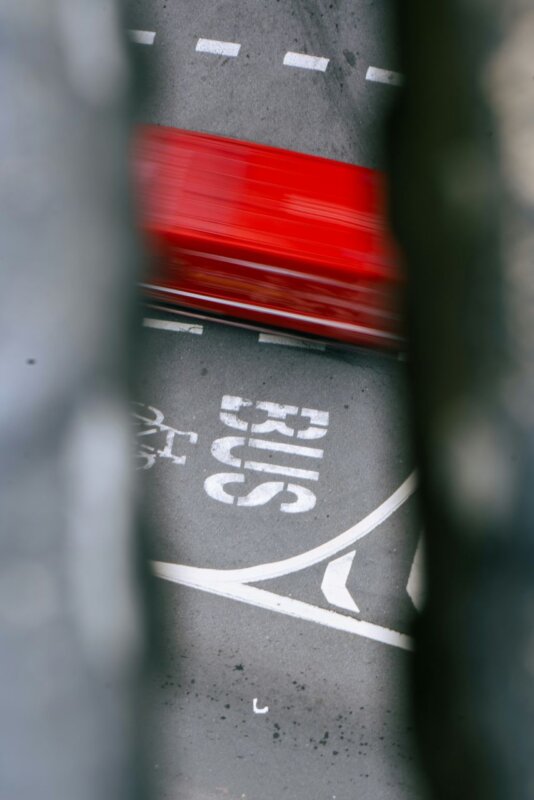
The $4 million Seattle Department of Transportation project rolls out in two phases. Construction begins in May with a new eastbound bus lane from Queen Anne Avenue North to Second Avenue, a stretch shared by seven bus routes carrying nearly 26,000 riders daily. Work will then pause for the FIFA World Cup before resuming in August, when crews will extend the lane further east from Fifth Avenue toward Fairview Avenue, with completion expected by autumn.
Route 8 connects Mount Baker to Seattle Centre through Capitol Hill and South Lake Union, carrying more than 7,000 daily riders. Despite its ridership, it has been one of the most delay-plagued routes in the Metro system for years. Last July, eastbound afternoon buses arrived on time just 31 percent of the time, the worst performance ever recorded for the line. The frustration has been so widespread that riders have dubbed it “Route Late,” and last summer a group of pedestrians famously challenged a Route 8 bus to a race during rush hour on Denny Way and won.
“I promised we would move quickly to make transit move more quickly, and that’s exactly what we’re doing,” Wilson said at a press conference outside a Whole Foods on Denny Way.
The August phase also includes a significant traffic reroute. Drivers heading to the southbound Interstate 5 on-ramp at Yale Avenue will no longer be able to turn at Stewart Street, as that slip lane will permanently close. Instead, motorists will be directed through a reconfigured Boren Avenue intersection onto Howell Street to reach the ramp. The city says Mercer Street and the SR-99 tunnel are alternative options for drivers looking to avoid Denny Way altogether.
The overhaul coincides with a King County Metro service improvement planned for 29 August, when Route 8 will increase in frequency from every 15 minutes to every 12 minutes at midday, funded through the 2020 Seattle Transit Measure. Transit advocates who have pushed for the changes for years said they are cautiously optimistic, though some residents and drivers near the corridor remain concerned about what losing a general-purpose lane will mean for everyday traffic flow.