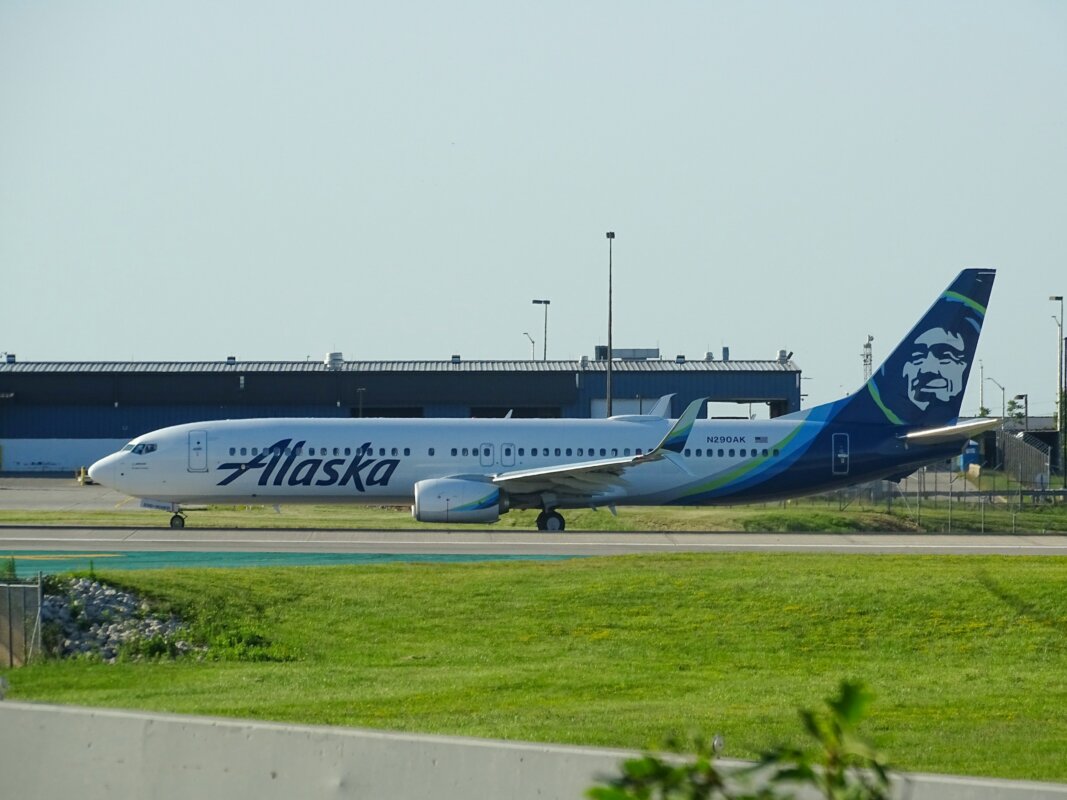
Alaska Airlines is staring down a six-figure federal penalty after the Federal Aviation Administration alleged that the SeaTac-based carrier let visibly intoxicated passengers board its flights on at least 11 occasions across a single year, raising questions about how consistently the airline’s staff applied a safety rule that exists to protect everyone on board.
The FAA announced the proposed $165,000 civil penalty on 26 May, saying the incidents took place between February 2024 and February 2025. The agency declined to identify the specific flights, airports, or passengers involved. What it did make clear is that the pattern was serious enough to warrant formal enforcement action after an audit of the airline’s policies and practices around intoxicated passengers.
Federal regulations are unambiguous on this point: airlines are prohibited from allowing anyone who appears to be intoxicated to board an aircraft. The rule is not a judgment call left to individual circumstances. It is a baseline safety requirement designed to protect crew members and passengers from the unpredictable behaviour that intoxication can produce in the confined environment of a commercial aircraft cabin.
Alaska Airlines said it worked with FAA auditors and has spent the past year making changes in response to what the review found. The airline announced it has strengthened training for flight attendants and customer service agents, and expressed confidence that what it now has in place satisfies federal expectations. “We take seriously our responsibility to provide a safe and secure environment for our guests and employees,” the airline said in a statement.
Whether that response is enough to avoid the full penalty remains to be seen. Under FAA enforcement procedures, Alaska has 30 days from receiving the formal enforcement letter to respond. The airline can pay the fine, negotiate a reduced settlement with regulators, or formally contest the allegations through an administrative hearing. Given that Alaska has already acknowledged the audit and described corrective steps, a negotiated resolution is a common outcome in cases of this kind.
The proposed action is part of a broader pattern of federal scrutiny over airline compliance with passenger conduct rules, an area that received heightened attention following a surge in disruptive passenger incidents in recent years. For Alaska Airlines, one of the Pacific Northwest’s most prominent employers and a carrier with a generally strong safety reputation, the allegations represent an unwelcome distraction as the summer travel season, amplified this year by the FIFA World Cup, gets underway.