
Washington state has taken a step that few states in the country have taken before, formally recognising menopause as a workplace issue requiring policy attention after Governor Bob Ferguson signed Executive Order 26-01 on Monday.
The order directs state agencies to strengthen policies around a life stage that affects an estimated 38% of working women in Washington between the ages of 40 and 59. Symptoms including hot flushes, insomnia, difficulty concentrating, and fatigue can meaningfully affect productivity, career progression, and the decision to remain in the workforce at all. Two in five women have considered leaving their jobs as a result of untreated menopause symptoms, and Mayo Clinic research estimates the national cost of that lost productivity at approximately $1.8 billion per year.
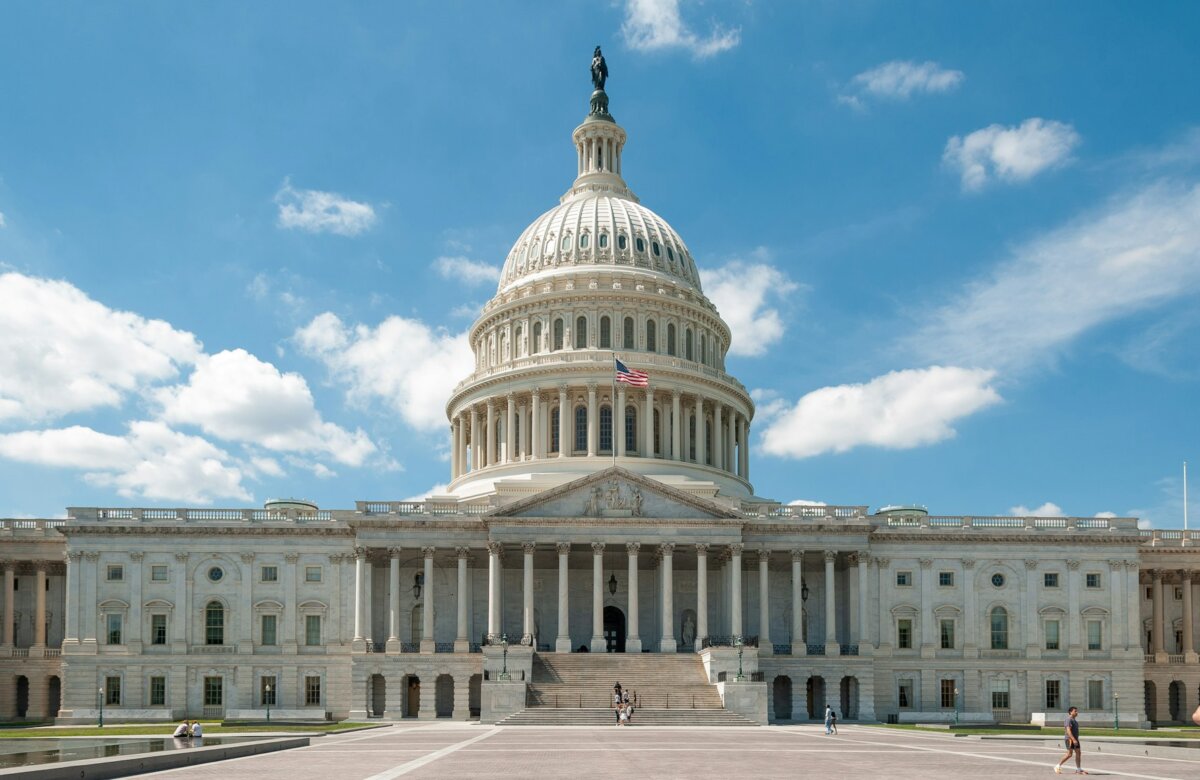
Ferguson framed the order as both an economic and a workforce equity issue. “We are losing women in the workforce with tremendous knowledge and experience because we are not doing enough to prepare for a natural stage of life,” the governor said.
The order calls for a set of relatively low-cost accommodations that employers can implement without significant disruption, including flexible scheduling, better temperature control in work environments, and relaxed dress codes that allow for more comfortable clothing. It also directs the Washington State Women’s Commission to develop practical guidance for both public and private sector employers on how to support employees experiencing menopause.
The move positions Washington alongside a small number of jurisdictions globally that have begun formalising workplace protections and accommodations around menopause, a conversation that has gained momentum in the United Kingdom and parts of Europe but has been slower to take hold in the United States.