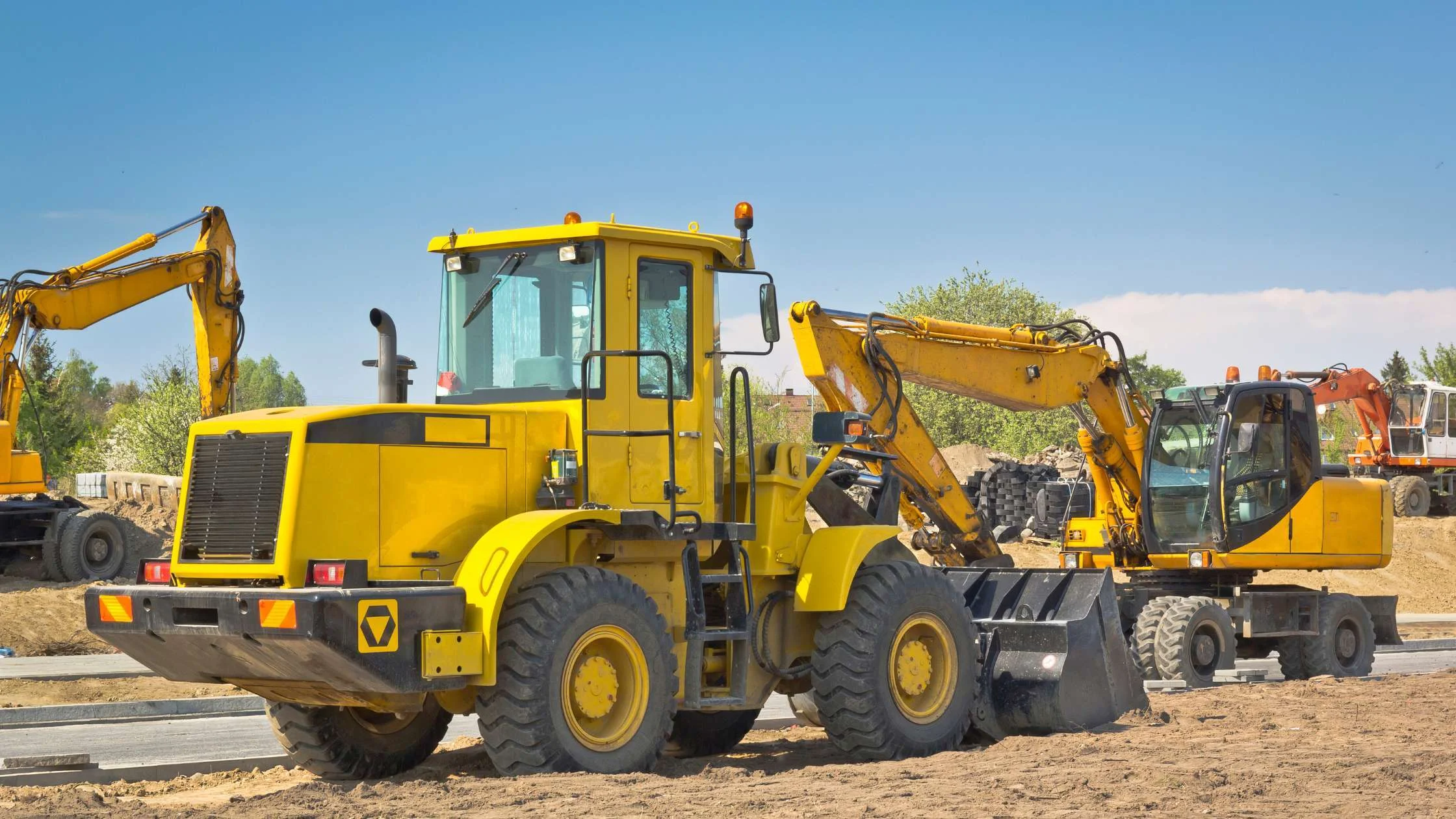
The U.S. Air Force has awarded $4.9 million in contracts to AIM Intelligent Machines, a Seattle-area startup that develops software allowing bulldozers and excavators to operate autonomously, for building and repairing military bases and airfields.
Founded in 2021, AIM started in mining and construction and is now expanding into defense applications. The company’s technology works with existing heavy equipment and targets dangerous or remote locations, including areas where machinery might be dropped in by parachute. One person can remotely manage an entire site of working vehicles.
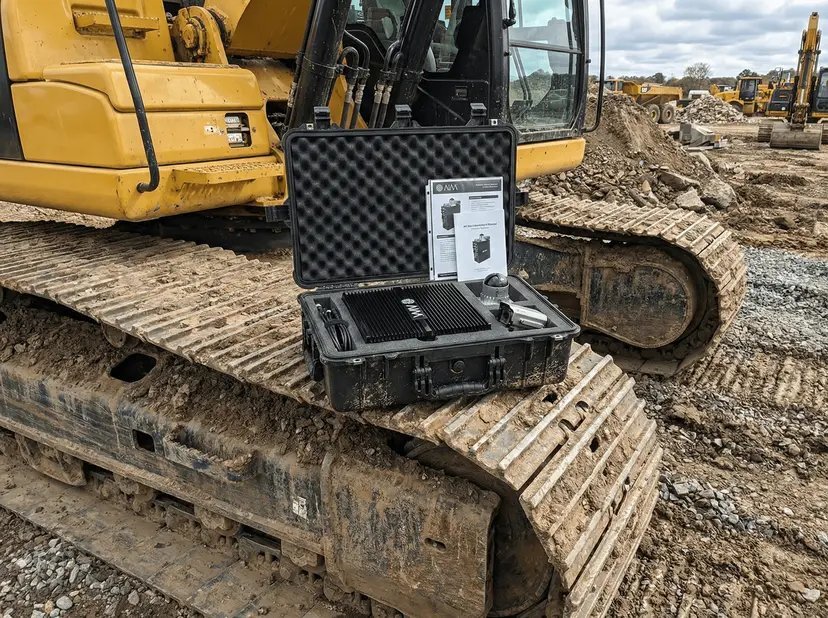
For airfield repairs, AIM’s system scans damaged areas using sensors to create a 3D map, then directs autonomous machines to clear debris and repair runways without people on the ground. Military advisors say the approach could accelerate construction timelines, reduce personnel risk, and simplify equipment deployment in challenging conditions.
The military application addresses a practical problem: runways and bases get damaged in conflict zones or natural disasters, and repairs need to happen quickly while minimizing exposure to danger. Traditional repair methods require crews working in potentially hostile environments. Autonomous equipment changes that calculation.
AIM raised $50 million last year from investors including Khosla Ventures, General Catalyst, and Human Capital. The company is led by CEO Adam Sadilek, who previously spent nine years at Google working on confidential projects. The funding and military contracts suggest investors see viability in autonomous construction beyond the initial mining focus.
In a LinkedIn post this week, Sadilek pushed back against the common framing of automation as job replacement. He argued that autonomous equipment enables construction companies to build more with existing teams rather than reducing headcount. “Each autonomous dozer we deploy uncovers, depending on the mineral type and current market price, between $3 million and $17 million in additional ore each season,” he wrote. “Rather than replacing people, that gives them leverage.”
His argument centers on capacity expansion rather than cost cutting: companies face more construction demand than they can meet with available labor. Autonomous equipment doesn’t eliminate workers, it allows the same workforce to tackle projects that would otherwise remain undone. The question is whether that theory holds across industries and scales, or whether it applies primarily in capacity-constrained sectors like mining and defense construction.
For the Seattle tech economy, AIM represents the ongoing shift toward applying artificial intelligence and robotics to physical industries beyond software. The region has seen growing investment in companies building automation for manufacturing, logistics, and now construction. The Air Force contracts validate that these technologies have moved from research phase to deployment readiness, at least for specific applications.