A Ballard construction site has been plagued by repeated thefts over the past four months, with thieves targeting industrial power cables and copper wiring from a seven-story apartment building under construction in the 5600 block of 20th Avenue Northwest. The most recent incident occurred on New Year’s Eve when three men climbed over a fence and stole nearly a dozen large power cables, according to Seattle police. But the investigation reveals something more significant than opportunistic theft: the connection between property crime and drug distribution networks operating in Seattle neighborhoods, a link that becomes visible when construction companies install tracking devices in wiring and police follow those signals to vehicles containing hundreds of pounds of stolen copper plus distribution-level quantities of methamphetamine, fentanyl, and other narcotics.
The construction company’s decision to install tracking devices inside the wiring represents a strategic response to repeated victimization that traditional security measures like fencing couldn’t prevent. These devices led officers to locations in Ballard where they discovered cars and equipment associated with copper stripping and resale. Two cars were impounded and secured at SPD’s North Precinct, setting up Thursday’s search warrant execution that recovered hundreds of pounds of stolen copper wire, tracking devices, digital scales, nearly $5,000 in cash, and significant quantities of drugs.
The narcotics seized paint a picture of active drug distribution rather than personal use. Officers recovered 169.7 grams of methamphetamine, which SPD described as a distribution-level amount, plus 107 grams of fentanyl, more than 14.3 grams of 4-methylaminorex, 9.8 grams of suspected heroin, 6.7 grams of psilocybin mushrooms, 1.7 grams of marijuana, and cutting agents. That combination, multiple drug types plus scales and cutting agents, indicates people involved in selling rather than simply consuming drugs. The cash, nearly $5,000, suggests recent sales transactions or accumulated proceeds from distribution activities.
The connection between copper theft and drug distribution reflects economic realities of addiction and the underground economy. Copper wire has inherent value as recyclable metal, with legitimate scrap dealers paying by the pound. Thieves target construction sites because they contain large quantities of copper in accessible forms, industrial cables that can be stripped and sold for cash with minimal processing. That cash then funds drug purchases, either for personal use by addicted thieves or as working capital for people involved in distribution who use property crime to generate money for buying inventory.
The repeated targeting of this particular construction site, thefts occurring over four months with particular focus during holidays when crews were absent, shows sophisticated criminal behavior rather than random opportunism. Thieves identified a vulnerable target, determined the construction schedule including when sites would be unguarded during holiday breaks, and returned multiple times to steal additional material. That pattern suggests organized activity, possibly by the same individuals or crew repeatedly hitting the same location because it proved lucrative and relatively low-risk until the tracking devices were installed.
Police estimate the thefts resulted in approximately $40,000 in losses, a figure that reflects both the value of stolen materials and the disruption to construction schedules. When thieves steal power cables from active construction sites, the immediate cost is replacing the stolen materials. But secondary costs include construction delays while waiting for replacements, increased insurance premiums, and investment in additional security measures like the tracking devices. For the construction company, apartment residents who will eventually live in the building, and neighbors affected by extended construction timelines, those costs ripple through the project.
The fact that no arrests have been made despite recovering stolen goods, tracking devices, vehicles, and distribution-level narcotics reveals limitations in how property crime investigations connect evidence to prosecutable cases. Police found the vehicles associated with copper stripping and resale, impounded them, and executed search warrants that recovered incriminating evidence. But without catching individuals in possession of that evidence, or without witnesses or surveillance footage identifying who was driving those vehicles or who owns the recovered contraband, making arrests that lead to successful prosecutions becomes difficult.
That gap between evidence recovery and arrests frustrates both police and victims who expect that finding stolen property and drugs should automatically lead to someone being charged. But the legal standard for arrest requires probable cause linking specific individuals to crimes, not just finding evidence associated with criminal activity. If the vehicles were registered to people who claim they were stolen or lent to others, if no fingerprints or DNA on the recovered materials match known suspects, if surveillance doesn’t show faces clearly, then prosecutors might decline charges even when police believe they know who’s responsible.
For Ballard’s construction industry, this case demonstrates both the vulnerability of job sites to repeated theft and the creative solutions companies are implementing to address that vulnerability. Installing tracking devices in wiring represents significant investment, the devices themselves cost money, they require monitoring systems, and they only work if thieves actually steal the tagged materials. But when traditional security measures fail and police resources for investigating property crime are limited, technological solutions like tracking devices become necessary business expenses for companies trying to complete projects without constant theft-related delays and losses.
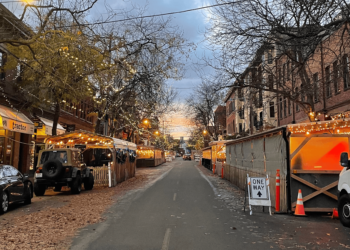
The location in the 5600 block of 20th Avenue Northwest places this construction site in a residential Ballard neighborhood where a seven-story apartment building represents the kind of density increase Seattle encourages to address housing shortages. But construction projects, particularly large multi-story developments, create temporary vulnerabilities as sites sit partially secured with valuable materials accessible to thieves willing to climb fences. The neighborhood impact extends beyond the construction company’s losses to residents dealing with crime in their area, the presence of people casing construction sites, and vehicles associated with stripping stolen copper parked nearby.
The drug seizure components reveal the specific substances circulating through Seattle’s drug markets and being distributed by people involved in property crime. Methamphetamine at 169.7 grams, described as distribution-level, indicates involvement beyond personal use. Fentanyl at 107 grams represents deadly potential, given that just 2 milligrams can be a lethal dose and 107 grams equals 107,000 milligrams or enough for tens of thousands of lethal doses if sold in its pure form. The reality is that fentanyl is typically cut and mixed into other drugs, which is why cutting agents were also recovered, but the quantity still represents significant distribution activity.
The presence of 4-methylaminorex, more than 14.3 grams, is particularly notable. This synthetic stimulant is less common than methamphetamine but has similar effects and legal status as a Schedule I controlled substance. Its presence alongside methamphetamine, fentanyl, heroin, psilocybin, and marijuana indicates either diversified drug dealing across multiple substance categories or multiple people’s supplies consolidated in the same vehicles. The variety suggests distribution networks serving different customer bases, from stimulant users to opioid users to psychedelic users.
The digital scales recovered alongside drugs and cash serve a specific function in drug distribution: measuring product for sales and ensuring consistent quantities for packaging. Finding scales with drugs and cash creates strong inference of distribution activity rather than personal possession. Cutting agents similarly indicate preparation of drugs for sale rather than consumption, as distributors cut pure substances with additives to increase volume and profit margins.
The nearly $5,000 in cash recovered from vehicles that also contained stolen copper, drugs, scales, and cutting agents creates a financial picture. If that cash came from copper sales, it represents many pounds of material sold at scrap prices. If it came from drug sales, it could represent dozens or hundreds of transactions depending on quantities sold. The cash likely reflects both revenue streams, property crime proceeds funding drug purchases that are then resold at profit, creating a self-sustaining cycle where theft enables distribution which generates profit that could fund more theft or drug inventory purchases.
For SPD’s North Precinct, this investigation demonstrates how property crime investigations can uncover larger criminal enterprises when evidence is followed systematically. The tracking devices installed by the construction company provided leads that traditional investigation might not have generated. Following those leads to vehicles, impounding them, and executing thorough search warrants produced evidence of not just theft but drug distribution. Whether that evidence leads to arrests and prosecutions depends on connecting it to specific individuals through additional investigation.
The ongoing nature of the investigation, with no arrests yet made despite substantial evidence recovery, suggests detectives are building cases against identified suspects or working to identify suspects associated with the recovered vehicles and contraband. Premature arrests before sufficient evidence links specific people to the crimes can jeopardize prosecutions if defendants claim they didn’t know about drugs in vehicles they had access to, or if they claim someone else must have stolen the vehicles and used them for criminal activity. Prosecutors prefer cases where evidence clearly demonstrates individual culpability rather than circumstantial connections to vehicles or locations associated with crimes.
For the seven-story apartment building under construction in Ballard, the thefts and investigation represent disruption to a project meant to add housing to Seattle’s inventory. Every theft incident creates delays, requires reporting to police and insurance companies, interrupts construction schedules, and increases project costs. Those costs ultimately get passed to future residents through higher rents or purchase prices, making property crime at construction sites a contributor to housing affordability challenges alongside more obvious factors like land costs and construction expenses.
The pattern of holiday thefts, targeting times when construction crews were absent, shows criminal sophistication in identifying vulnerable periods. New Year’s Eve, Christmas, Thanksgiving, and other holidays when construction sites sit unguarded for extended periods create opportunities for thieves to work without interruption. That timing suggests surveillance of the site to understand when crews are present versus absent, knowledge of construction schedules, and planning that goes beyond random opportunistic theft.
The recovery of tracking devices alongside stolen copper confirms that thieves took the tagged materials, didn’t detect the devices before attempting to strip and sell the wire, and the devices successfully transmitted location data that led police to the vehicles. That success validates the construction company’s investment in tracking technology, though it also means thieves now know that construction materials might contain tracking devices, potentially changing their behavior in future thefts either by being more cautious or by abandoning copper theft in favor of materials less likely to be tagged.
Despite recovering hundreds of pounds of stolen copper, distribution-level narcotics, cash, scales, and cutting agents, the fact that no arrests have been made yet reflects the complexity of building prosecutable cases from physical evidence. The investigation continues, suggesting detectives are working to connect recovered evidence to specific suspects through additional investigative techniques. Whether those efforts lead to arrests and convictions will determine if this investigation successfully disrupts the property crime and drug distribution network operating in Ballard, or simply recovers evidence without accountability for those responsible.