The Sound Transit Board voted Thursday to approve one of the most expensive regional transit programmes in American history, a $194.7 billion expansion that will eventually extend light rail to West Seattle, Tacoma, and Everett. But for the hundreds of Ballard residents and advocates who packed the boardroom and spilled into an overflow room, the day ended in disappointment. The neighbourhood’s full light rail connection, the one voters approved and have been paying for, has been pushed off the funded list indefinitely.
The meeting was unlike anything the agency has seen in recent memory. The room hit capacity before testimony even began. Dozens who had come specifically to speak for the Ballard extension were still waiting when the board cut off public comment at 3 p.m., leaving voices unheard on one of the most consequential transit decisions the region has made in years. The majority of those who did speak came for the same reason: to urge the board not to abandon Ballard.
After hours of debate that stretched into the evening, the plan passed with just two dissenting votes. Seattle City Councilmember Dan Strauss, who represents Ballard and sits on the Sound Transit Board, voted no. So did King County Councilmember Claudia Balducci. Everyone else voted yes.
What the Vote Actually Means for Ballard
The ST3 plan funds an initial Ballard Link segment that will extend to Seattle Centre. That is where the funded commitment ends. The stretch that would carry trains from Seattle Centre north to Ballard’s Market Street, the segment that most riders in the neighbourhood actually need, has been categorised as “not currently affordable within existing resources.” It will not be built on any defined timeline. Sound Transit says it is not cancelled, just unfunded, a distinction that offers little practical comfort to communities that have been contributing to the system for nearly a decade expecting service in return.
Strauss made the case for inclusion until the final vote. The Ballard extension, he argued, would serve an estimated 148,000 daily riders, three times the projected ridership of the East Link extension. Ballard residents have paid into this system. They approved it at the ballot. Asking them to wait for an uncertain future funding solution is, in his view, a breach of the commitment the agency made to them.
What Did Get Funded
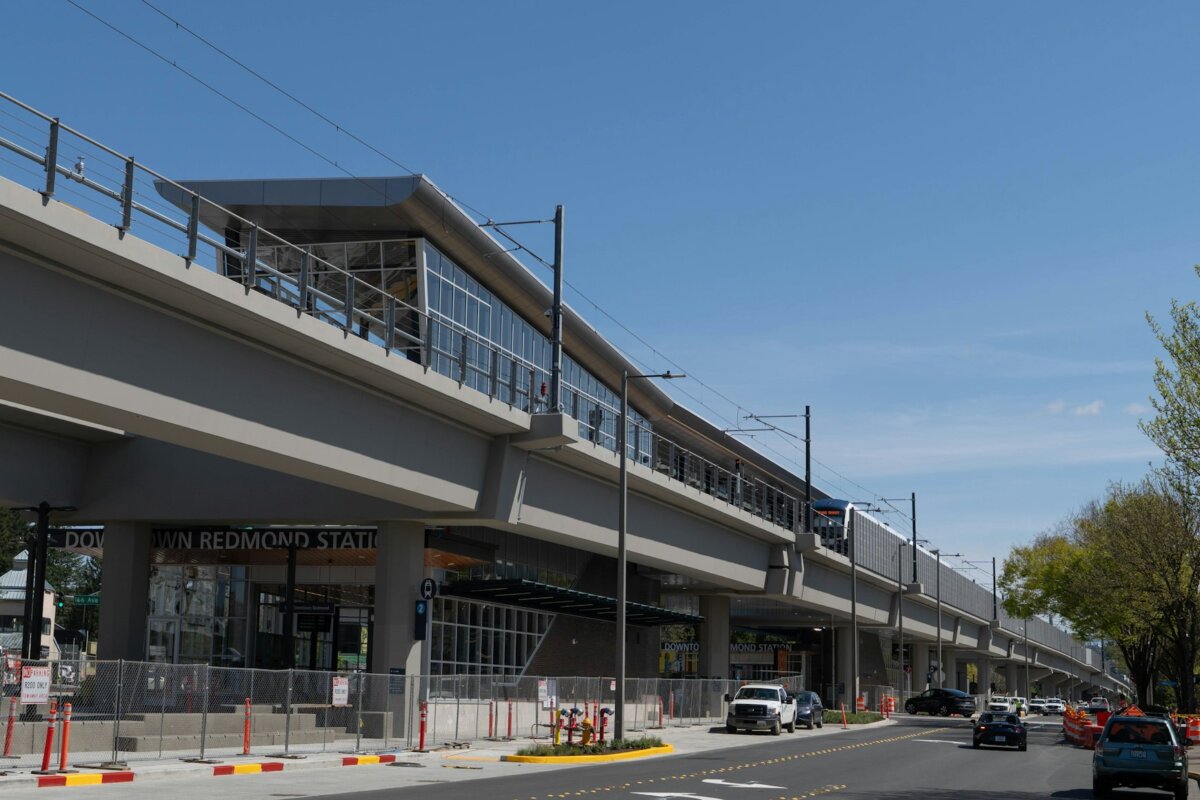
The approved programme is enormous in scope even with Ballard’s Market Street connection removed. West Seattle will get light rail, with the extension expected to be completed around 2032. The Tacoma Dome Link Extension is targeted for 2035. Everett’s expansion comes in two phases, with the first phase completing around 2037 and the downtown station following in 2041. The South Kirkland to Issaquah connection and the TCC Tacoma Link Extension remain in the plan but have been pushed to 2050 and 2043 respectively.
A significant number of parking, bus, and access projects have also been deferred pending future funding identification, including parking expansions at Tacoma Dome, Everett, and Stride Bus Rapid Transit stations.
The Bigger Picture
Sound Transit CEO Dow Constantine had previously assured the public that all voter-approved destinations would eventually be served by light rail. That commitment remains on the record, but Thursday’s vote makes clear that “eventually” is doing a great deal of work in that sentence for Ballard in particular.
King County Executive and Sound Transit Board member Girmay Zahilay was candid about how much remains to be done. “Our work as a board is far from over, and I remain committed to delivering the full ST3 system that King County voters approved,” Zahilay said after the vote. The framework is now in place. Whether it delivers for every community that voted yes in 2016 will depend on decisions, funding sources, and political will that do not yet exist.
For Ballard, the wait continues. How long, nobody can say.