A small-town high school marching band from Washington’s Olympic Peninsula will carry the state’s banner at one of the most significant patriotic celebrations in American history.
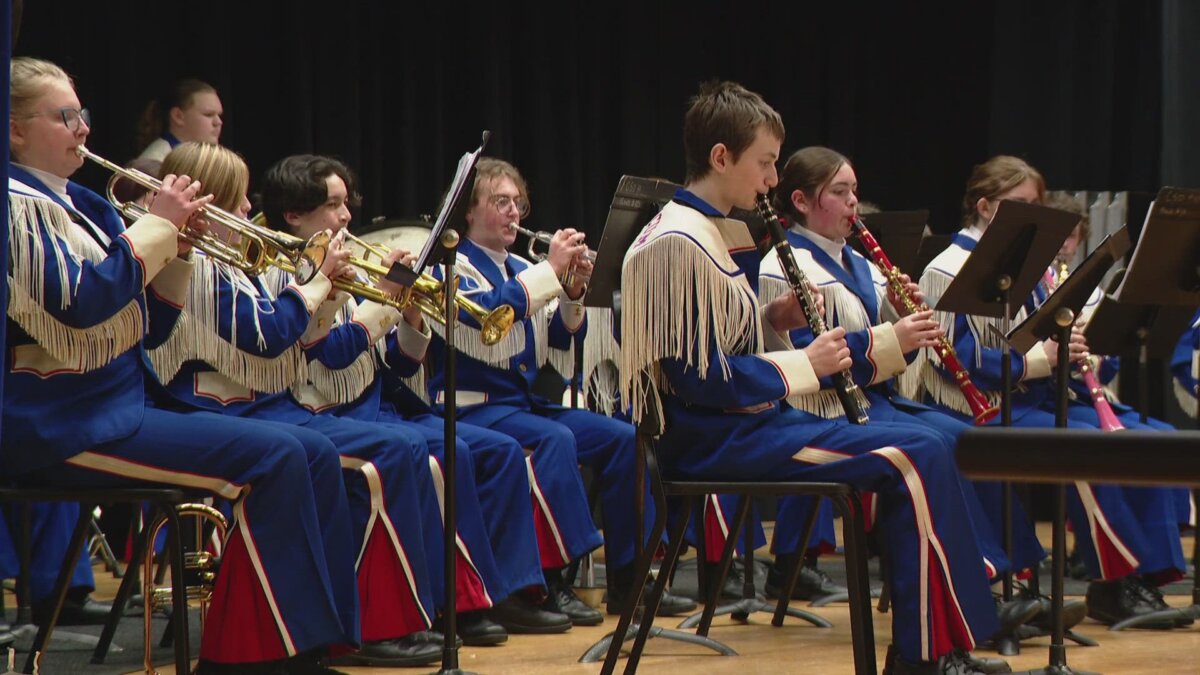
Chimacum High School’s marching band has been selected to represent Washington state at the nation’s Independence Day parade in Washington, D.C., on 4 July 2026, when the United States marks its 250th birthday.
The Chimacum Cowboys stand as the only high school band from Washington chosen to participate in the semi-quincentennial event, an honour that places the rural school’s programme alongside elite musical groups from across the nation.
The announcement arrived during an unexpected moment that transformed routine ceremony into historic celebration. At the school’s annual Veterans Day observance on Monday, what students anticipated as a standard assembly honouring military service members became a dual celebration recognising both veterans and the band’s extraordinary achievement.
Principal Ryan Stevens delivered the surprise news to an auditorium filled with students, staff and veterans. “We are pleased to announce the acceptance of Chimacum HS Cowboy marching band to represent the great state of Washington in America’s national Independence Day parade in Washington DC on July 4, 2026,” Stevens announced to immediate cheers and astonishment.
The revelation stunned band members, many of whom continue processing the magnitude of the opportunity that will place them on a national stage before millions of spectators and television viewers.
“It was a big shock,” stated sophomore drum major Mikhail Groth. “It probably won’t sink in till we’re off that plane, off that bus, getting these uniforms back on for another time and getting ready to go.”
For students from this small Olympic Peninsula community, the journey represents far more than a performance opportunity. Many have rarely travelled beyond their immediate region, making the cross-country trip to the nation’s capital a transformative experience that extends beyond music.
“I’ve never been anywhere else. So this is a really big opportunity for me to go somewhere else other than our small town in Washington,” explained ninth-grader Jacklyn Hirschel, articulating sentiments shared by numerous bandmates for whom this trip may represent their first significant travel experience.
The Cowboys’ selection carries particular weight given the programme’s context within the school district. The band earned its competitive placement despite confronting significant institutional challenges that would have destroyed less resilient programmes.
Budget constraints eliminated other arts programmes including choir and drama from Chimacum’s offerings, leaving the marching band as one of the few remaining creative outlets for students in a district where financial pressures have forced difficult choices about educational priorities.
The programme’s survival and subsequent excellence in competitive settings demonstrates remarkable dedication from students, directors, and community supporters who refused to allow budget realities to extinguish artistic opportunity.
“People say, oh, you can’t do anything. You can’t compete with the big schools, the titans of the music industry. And it shows that just individuals alone can really help a group out,” observed sophomore Layton Lopeman, capturing the defiant pride that fuels the programme’s continued success despite resource disadvantages.
The selection validates years of work by band directors who have maintained competitive standards whilst operating with limited funding, aging equipment, and the constant awareness that their programme could face elimination in future budget cycles.
For the broader Chimacum community, the band’s achievement provides a rare moment of positive recognition for a small town that typically receives little attention in state or national contexts. Rural communities often struggle with perceptions of inferiority compared to urban and suburban areas, making this selection a powerful symbol of small-town capability and excellence.
The logistical and financial challenges ahead are substantial. The band’s booster club now confronts the task of raising approximately $100,000 to cover travel expenses for students, chaperones, and equipment, along with costs for new lightweight uniforms specifically designed for the summer heat and humidity that characterises Washington, D.C., in July.
The $100,000 fundraising goal represents a massive undertaking for a small community. Chimacum, with a population of roughly 2,500 in the immediate area, lacks the deep donor base and corporate sponsorship opportunities available to programmes in larger cities. The booster club will need to cast a wide fundraising net, potentially seeking support from alumni, businesses across the Olympic Peninsula, state organizations, and individual donors moved by the story of a small-town band achieving national recognition.