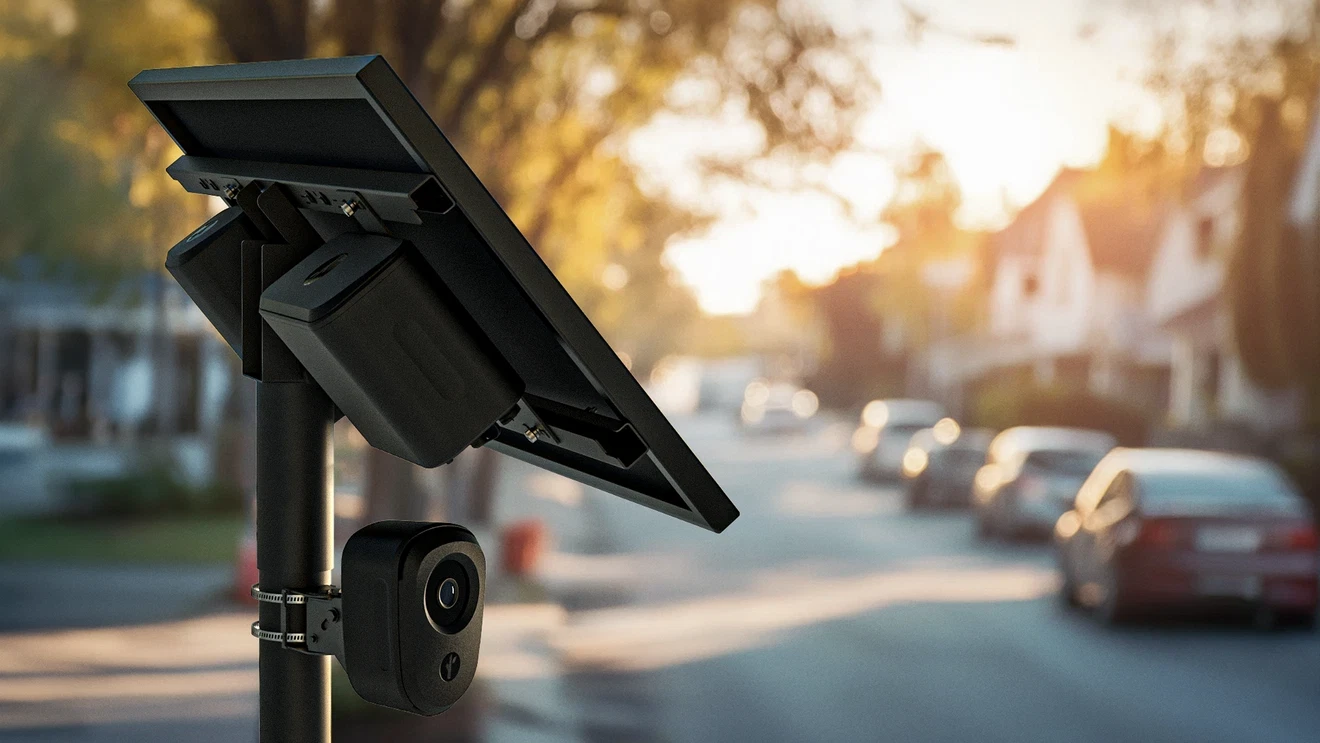
Cities across Western Washington that canceled or paused surveillance camera contracts with Flock Safety now confront questions about whether they must return grant money or pay penalties for breaking agreements that cost taxpayers hundreds of thousands of dollars.
Redmond suspended its Flock Safety contract Wednesday after keeping the automated license plate reader cameras offline for months. The city originally paused the program Nov. 3 following community complaints about privacy and worries that federal agencies could access the data. “The pause remains in effect until the council takes up the matter again at one of our upcoming public meetings,” said Redmond Police Chief Darrell Lowe.
The city signed a contract running through early June 2027 and already spent about $146,000 on cameras that never went live. Most of that money came from outside sources: nearly $95,000 from a Department of Commerce grant, $44,000 from the Washington Auto Theft Prevention Authority, and $7,500 from Redmond’s general fund. Whether the city must return grant funding or pay contract penalties remains unclear. Cities that end grant-funded programs before grants expire may have to give money back to the state or issuing agency.
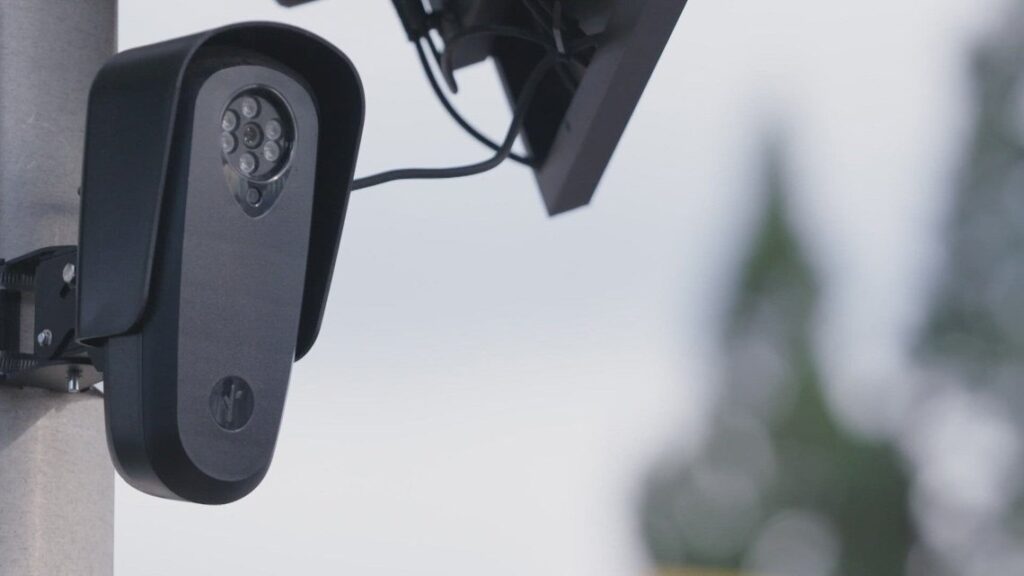
“When you have a grantor that provides money for a specific program and if that money is not used for that or not used in its entirety, there can be an expectation that the money is returned to the grantor,” Lowe said. Breaking the Flock contract could also force cities to pay for remaining years of their agreements. Flock Safety declined to comment.
Mountlake Terrace became one of the first cities to terminate its contract before installing cameras. The city council ended the $54,000 agreement in December but still owes the first year’s payment of $27,000. Police Chief Peter Caw said the city continues negotiating with Flock Safety over what it owes. Lynnwood terminated its $171,000 contract last month after funding the project largely through a $132,000 grant from the Washington Auto Theft Prevention Authority plus $38,000 from the police budget.
“I’m really thankful to the council for listening to my voice and the voice of many people who spoke out against this network,” said Quinn Van Order, a privacy advocate who created the DeFlockLynnwood website. “It is warrantless mass surveillance. In a nutshell, it’s a clear violation of the Fourth Amendment, though I recognize this is still being litigated.” Lynnwood Council President Nick Coelho said he doesn’t expect the city will repay the grant, though officials are still analyzing the agreement. He pointed to a recent court ruling that images captured by Flock cameras are public records that must be disclosed, creating new legal problems.
Everett Mayor Cassie Franklin also cited the court ruling when announcing a pause of the city’s Flock system. Everett received $250,000 in grants from the Washington Auto Theft Prevention Authority and the U.S. Department of Justice to fund a two-year agreement. The city argued footage should be exempt from disclosure on privacy grounds and is considering an appeal. University of Washington researchers identified instances where federal agencies accessed multiple Flock networks across the state. Local agencies sometimes enabled a sharing feature allowing participating law enforcement nationwide to search their camera networks without fully understanding who could see the data.