Cuba has begun freeing prisoners after announcing it would release 2,010 inmates in what it described as a “humanitarian and sovereign gesture,” as the island nation faces mounting pressure from the United States and a worsening fuel crisis that has left millions without power.
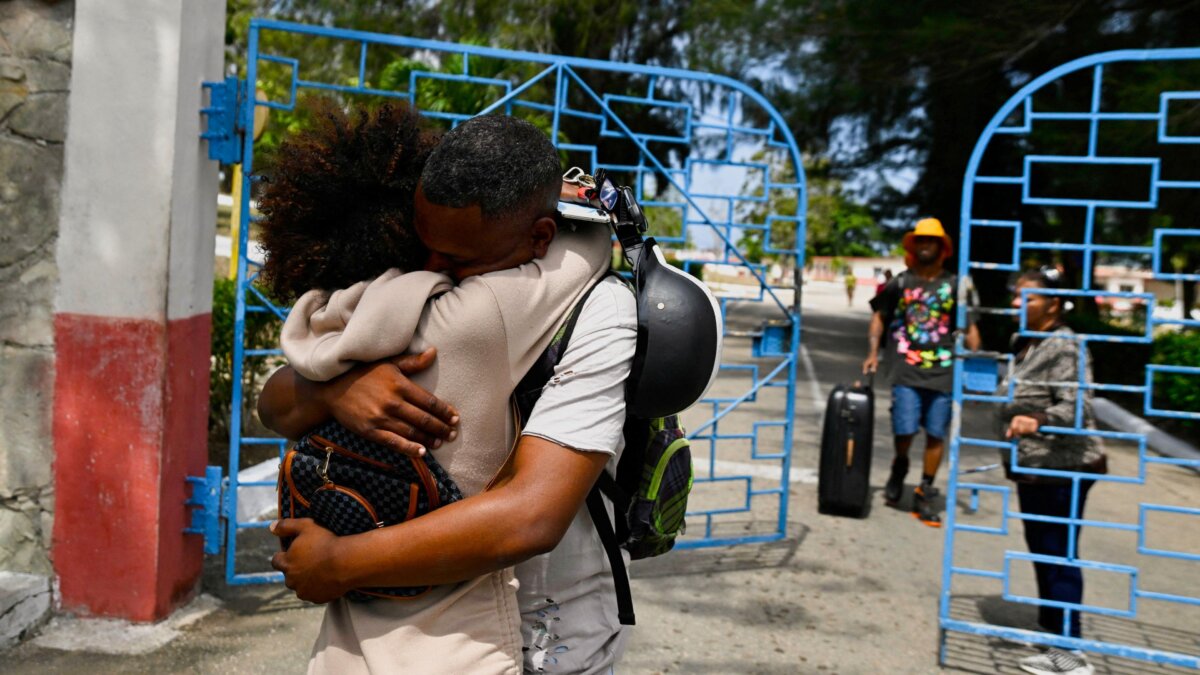
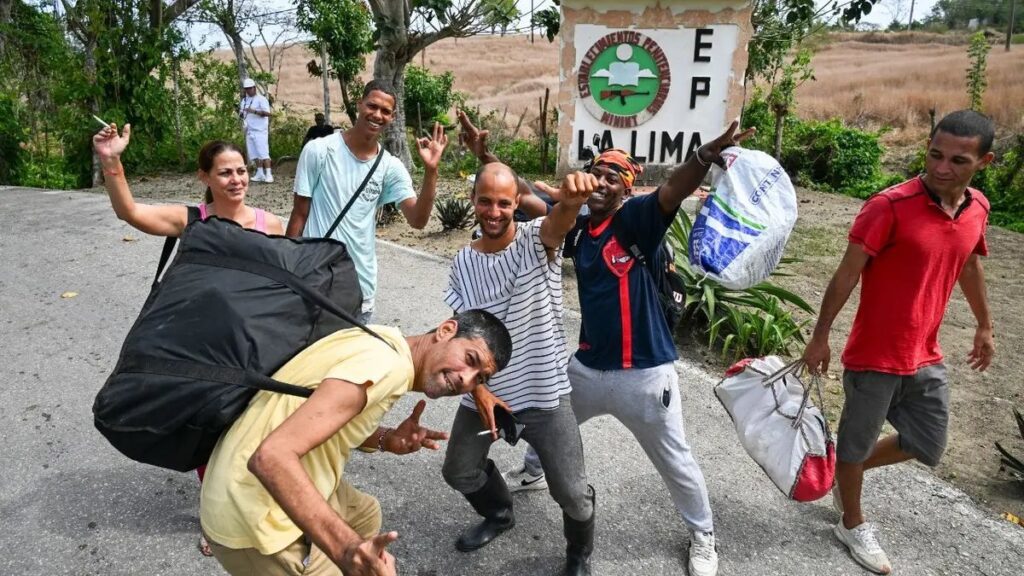
More than 20 inmates emerged from La Lima prison in eastern Havana on Thursday, crying and embracing relatives who had waited outside all morning, according to AFP. Those being freed include foreign nationals, young people, women, and prisoners over the age of 60. The Cuban embassy in the US said eligibility was determined through careful analysis of offences, conduct while imprisoned, the portion of sentences already served, and the health of individual inmates. The government also framed the release within the context of Holy Week, describing prisoner releases during religious celebrations as customary practice in its criminal justice system.
Cuba holds hundreds of political prisoners, with government critics subject to harassment and criminal prosecution, according to Human Rights Watch. The latest release is the second announced this year. In March, 51 prisoners were freed following talks with the Vatican, and in 2025, Cuba released 553 people in a deal brokered jointly by the Vatican and the United States.
The releases come as Cuba faces severe economic strain driven largely by US policy. Since returning to the White House, President Donald Trump has blocked oil shipments to the island, causing widespread fuel shortages and rolling blackouts that have left millions in darkness. The World Health Organization warned last week that Cuban hospitals are struggling to maintain emergency and intensive care services due to the fuel shortages. Venezuela, which had previously supplied Cuba with oil under highly preferential terms, halted those shipments under US pressure, deepening the existing crisis. Russia stepped in last week when a Russian-owned tanker docked at a Cuban port for the first time since January, carrying an estimated 730,000 barrels of crude oil. Russia said Thursday it would send a second tanker with enough oil to sustain Cuba’s economy for several weeks.
Cuba’s Communist government, led by President Miguel Díaz-Canel, has been in negotiations with the Trump administration seeking an end to the standoff. Both sides have publicly stated political and economic conditions that make common ground difficult to reach. Trump has repeatedly suggested the United States could remove Cuba’s government by force and install a more favourable regime.