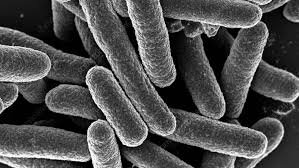
King County Public Health is investigating an outbreak of Shiga toxin-producing E. coli O157, known as STEC, linked to Tokyo Stop Teriyaki in Bellevue.
The outbreak has affected at least five King County residents who fell ill after consuming food from the restaurant in November and December, according to the health department.
On December 12, the health department asked the restaurant to close voluntarily.
The health department visited the restaurant on December 13 and found several problems that could have contributed to the outbreak. Sinks for washing raw meat and vegetables were placed too close together, and tools and surfaces used for raw meat, including chicken, weren’t sanitized properly.
The health department returned on December 15, confirmed that the cleaning was done properly, and verified that staff were following required food safety procedures. Based on this inspection, the restaurant was allowed to reopen.
Health officials used DNA fingerprinting, specifically whole genome sequencing, to confirm that these cases are connected.
In addition to the five confirmed cases, there is one more individual in King County whose illness matches the others through whole genome sequencing.
However, this person did not report eating at Tokyo Stop Teriyaki, according to the department.
This suggests that their illness may have originated from a different source or possibly from a contaminated food product served both at the restaurant and elsewhere.
The investigation is ongoing as officials work to determine the exact source of the contamination.
The health department is asking anyone who ate at Tokyo Stop Teriyaki in November or December and later developed symptoms such as nausea, vomiting, stomach cramps, diarrhea including bloody diarrhea, or fever to fill out a survey to help identify and prevent any future outbreaks.
To avoid getting sick with STEC, the health department advises not eating high-risk foods, especially undercooked ground beef and other beef products, goat products, sheep products, unpasteurized milk or juice or cheese, and raw sprouts.
The proximity of sinks for washing raw meat and vegetables represents a critical food safety violation. Cross-contamination can occur through splashing, shared faucets, or workers moving between the sinks without proper hand washing.
The failure to properly sanitize tools and surfaces used for raw meat creates multiple pathways for bacteria to spread to ready-to-eat foods. Cutting boards, knives, and prep surfaces that contact raw chicken can harbor E. coli and other pathogens.
The three-day closure from December 12 to December 15 allowed time for deep cleaning and staff retraining on food safety procedures. The health department’s decision to allow reopening suggests they verified corrections to the violations.
Whole genome sequencing represents sophisticated technology that can identify whether E. coli bacteria from different patients share the same genetic fingerprint, proving they came from a common source.
The sixth case that matches genetically but has no reported connection to Tokyo Stop Teriyaki raises intriguing possibilities. The person could have eaten at the restaurant but forgotten, could have eaten food from a supplier that also provides to the restaurant, or could represent a separate outbreak of the same E. coli strain.
The November and December timeline means people who ate at the restaurant weeks ago could still be getting sick now. E. coli symptoms typically appear three to four days after exposure but can take up to 10 days.
Bloody diarrhea represents one of the more serious E. coli symptoms and indicates the Shiga toxin is damaging intestinal blood vessels. Some E. coli infections progress to hemolytic uremic syndrome, a life-threatening complication causing kidney failure.
The high-risk foods list the health department provided focuses on items where E. coli naturally occurs in animal intestines and can contaminate meat during processing. Ground beef poses particular risk because grinding mixes surface contamination throughout the product.