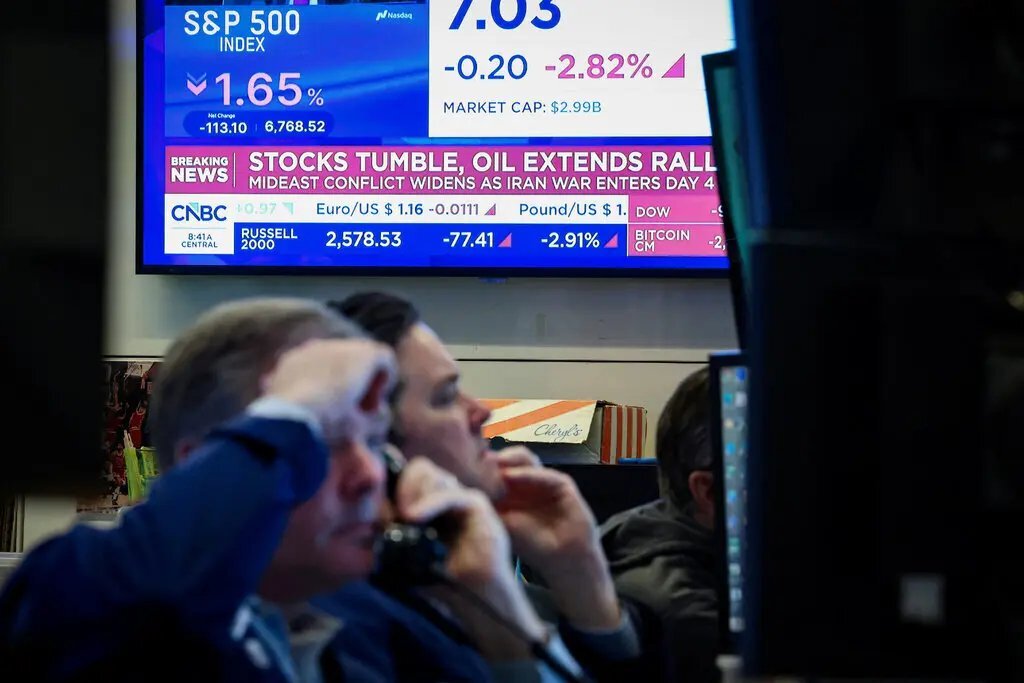
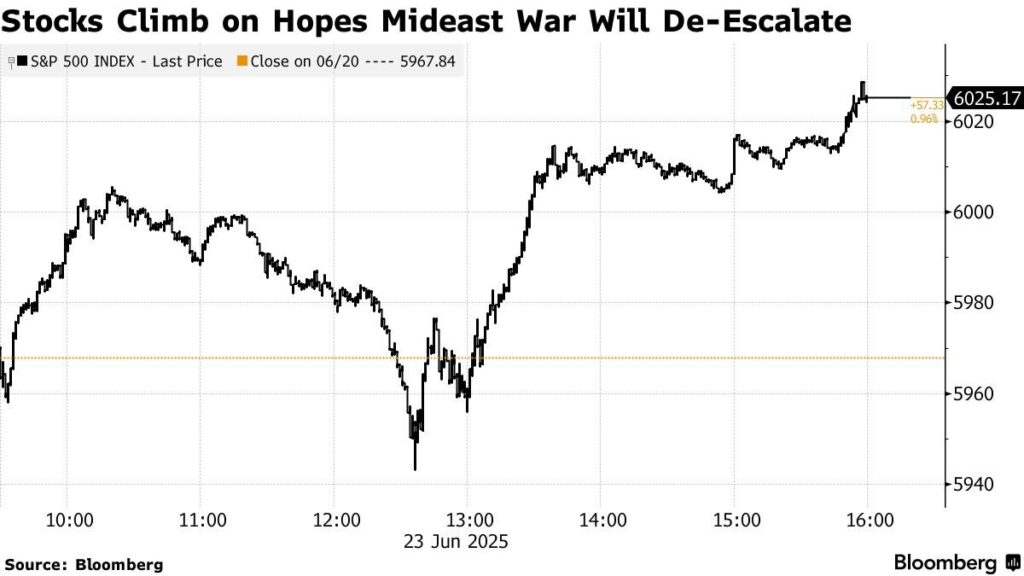
Global financial markets showed mixed reactions Wednesday as rising geopolitical tensions in the Middle East continued to influence investor sentiment and energy prices. Major stock indexes in the United States and Europe posted gains, while several Asian markets experienced steep declines as uncertainty surrounding the ongoing conflict involving Iran weighed heavily on regional economies.
The FTSE 100, which tracks the largest companies listed in London, rebounded after two days of losses. Similar gains were recorded across major American and European indexes. In contrast, Asian markets extended their downturn, with some exchanges suffering sharp losses for a third straight trading day as energy supply concerns intensified.
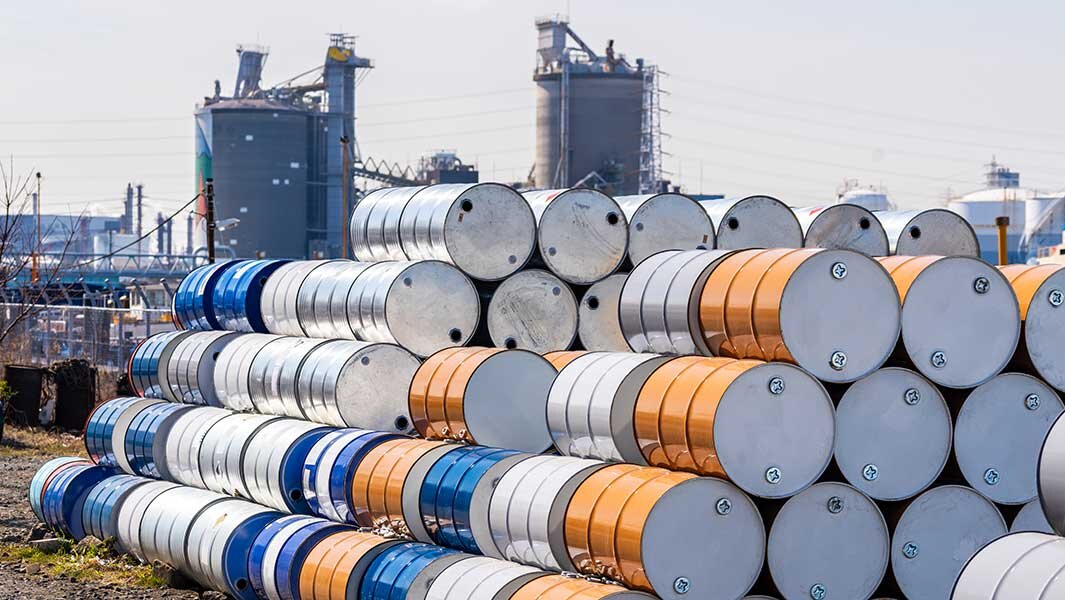
Energy prices have remained volatile since military strikes involving the United States and Israel began over the weekend. Brent crude has climbed roughly 12 percent since the conflict began, although prices dipped slightly during Wednesday trading. Natural gas prices in the United Kingdom also surged significantly in recent days before easing somewhat later in the session.
Shipping disruptions in the Strait of Hormuz have played a major role in the surge in energy prices. The narrow waterway between Iran and the United Arab Emirates is one of the most important global transit routes for oil and gas. Nearly one fifth of the world’s energy shipments typically pass through the strait, but traffic has largely stalled after Iran threatened vessels traveling through the area.
Shipping intelligence firms estimate that roughly 200 oil tankers have been stranded near the waterway as insurance costs for ships linked to the United States, Britain, or Israel soared. The disruption has raised fears of supply shortages and pushed up energy costs in multiple markets.
Energy infrastructure has also come under threat. Saudi Arabia reported an attempted drone attack on the Ras Tanura oil refinery earlier this week, while QatarEnergy temporarily halted production of liquefied natural gas at one of its facilities. Qatar is among the world’s largest exporters of LNG, with a significant portion of its shipments heading to Asian markets.
Because many Asian economies rely heavily on imported energy from the Middle East, stock markets across the region have been particularly sensitive to the disruption. Trading on stock exchanges in South Korea and Thailand was briefly suspended after losses triggered automatic circuit breakers designed to slow panic selling.
Economists warn that prolonged energy price increases could lead to broader economic consequences. Office for Budget Responsibility official David Miles said sustained high oil and gas prices would likely push inflation higher in the United Kingdom, although he noted the increases so far are still smaller than those seen after the outbreak of the Russia Ukraine war.
Government leaders are monitoring the situation closely. UK Chancellor Rachel Reeves is expected to meet with North Sea energy industry executives to assess the potential impact of the conflict on supply and energy security.
Financial analysts say markets remain cautious as the situation develops. Investors had expected the Bank of England to cut interest rates twice this year as inflation eased, but rising energy costs could alter that outlook. Some economists warn that if fuel prices remain elevated for an extended period, the central bank could delay rate cuts or even consider raising rates again.
While some investors appear hopeful that diplomatic solutions could eventually stabilize markets, analysts say a lasting resolution will likely depend on easing tensions and restoring safe shipping through key global energy routes.