Washington Gov. Bob Ferguson said Monday that his administration is preparing for a possible escalation of federal immigration enforcement in the state, citing recent fatal shootings involving federal agents in Minnesota that have sparked national concern and protests.
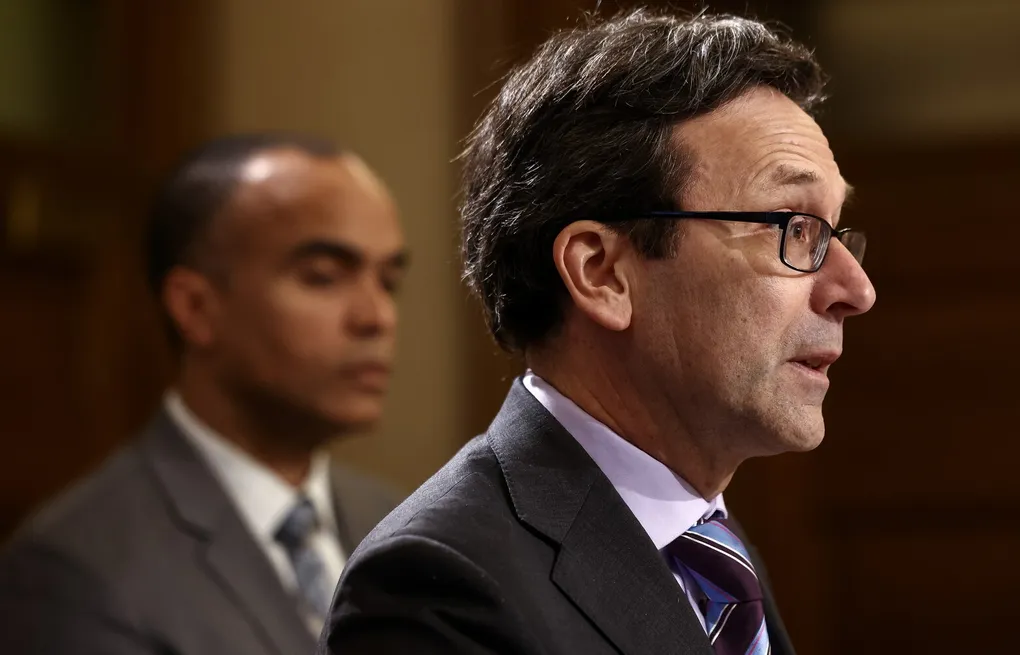
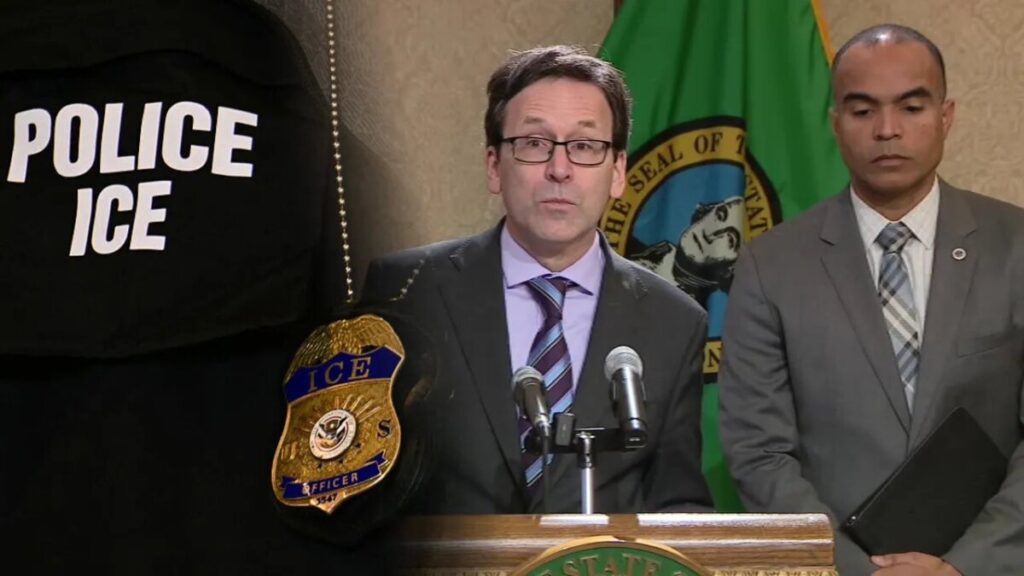
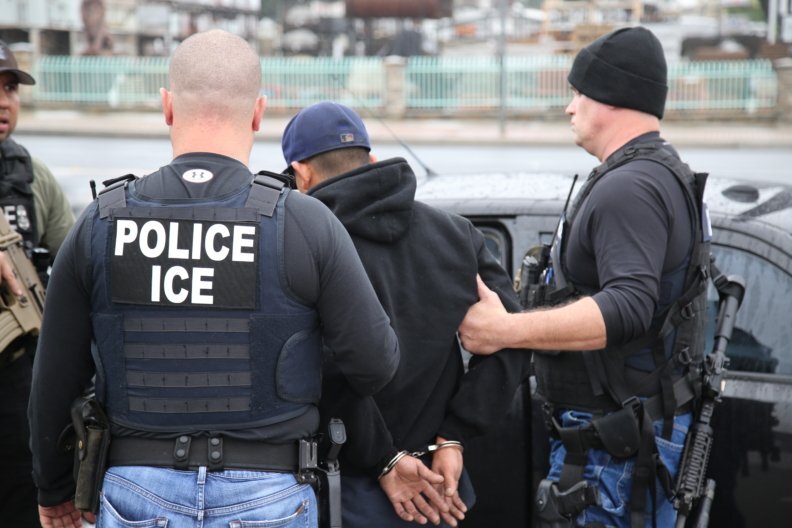
Speaking at a news conference in Olympia, Ferguson sharply criticized Immigration and Customs Enforcement, describing recent actions as “un-American” and “outrageous in the extreme.” While acknowledging that the state cannot block ICE operations, he said Washington is preparing to respond to any heightened federal activity.
The comments follow the January shootings of Alex Pretti, a 37-year-old intensive care nurse at a Veterans Affairs hospital, and Renee Good, also 37, who were killed by ICE and Border Patrol agents in Minneapolis. The incidents have prompted demonstrations nationwide, including in Washington state.ICE.”
“I cannot stop ICE from being in our state,” Ferguson said. “But we are not passive bystanders. We are prepared to use every tool at our disposal to mitigate against the harm inflicted by ICE.”
Attorney General Nick Brown underscored the need for public scrutiny, noting conflicting accounts of the Minnesota shooting. While the Department of Homeland Security said agents acted in self-defense, eyewitness testimony, video evidence, and local officials have questioned that claim.
Republican state Rep. Jim Walsh, chair of the Washington State Republican Party, criticized Ferguson’s remarks as “troubling” and “inflammatory,” warning they could encourage dangerous confrontations between civilians and federal law enforcement officers.
Walsh also pushed back on claims that a Department of Homeland Security memo directing ICE agents to enter homes without judicial warrants represents a new policy, arguing that the use of administrative warrants has long been standard practice.
Ferguson outlined several steps his administration is taking, including legal action against the memo, enhanced coordination on immigrant policy, contingency planning with state and local partners, and support for Senate Bill 5855, which would limit when law enforcement officers may obscure their identities. He also confirmed discussions with military leaders about potential National Guard deployment, raising questions about how such a move would intersect with federal authority.