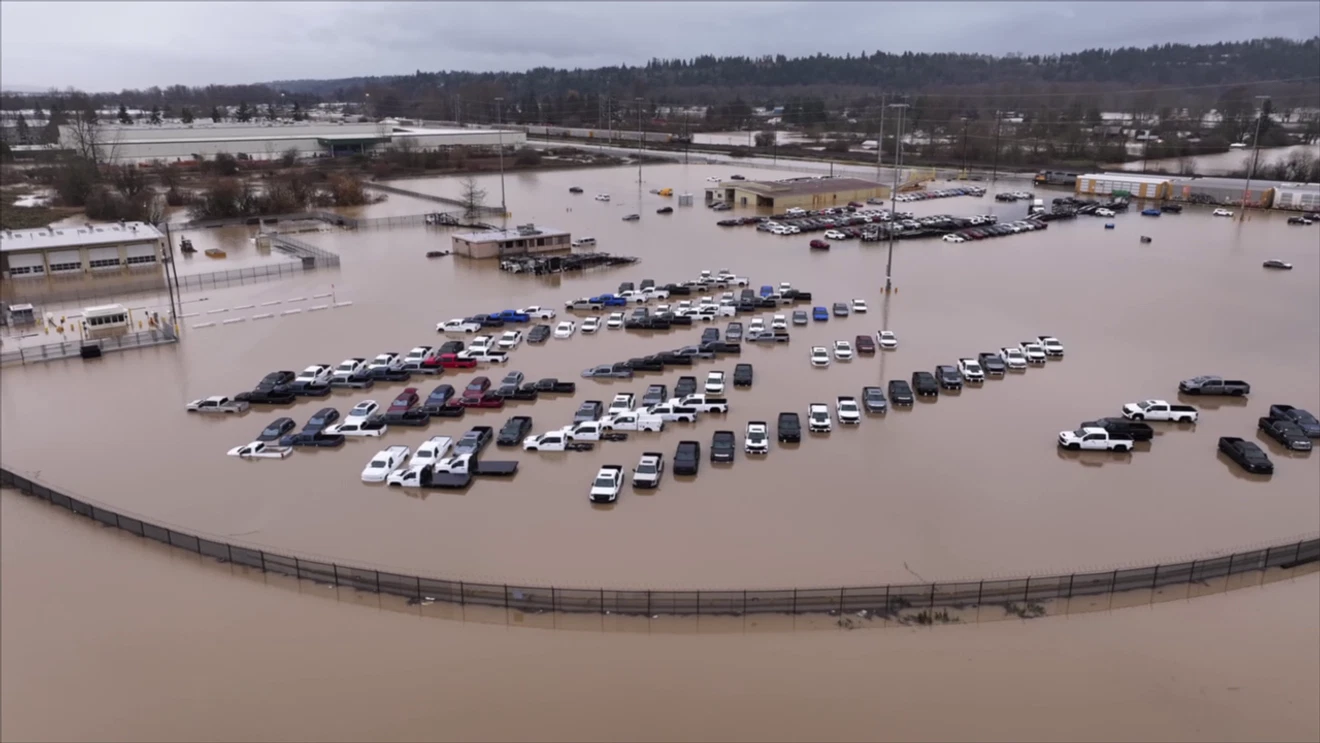
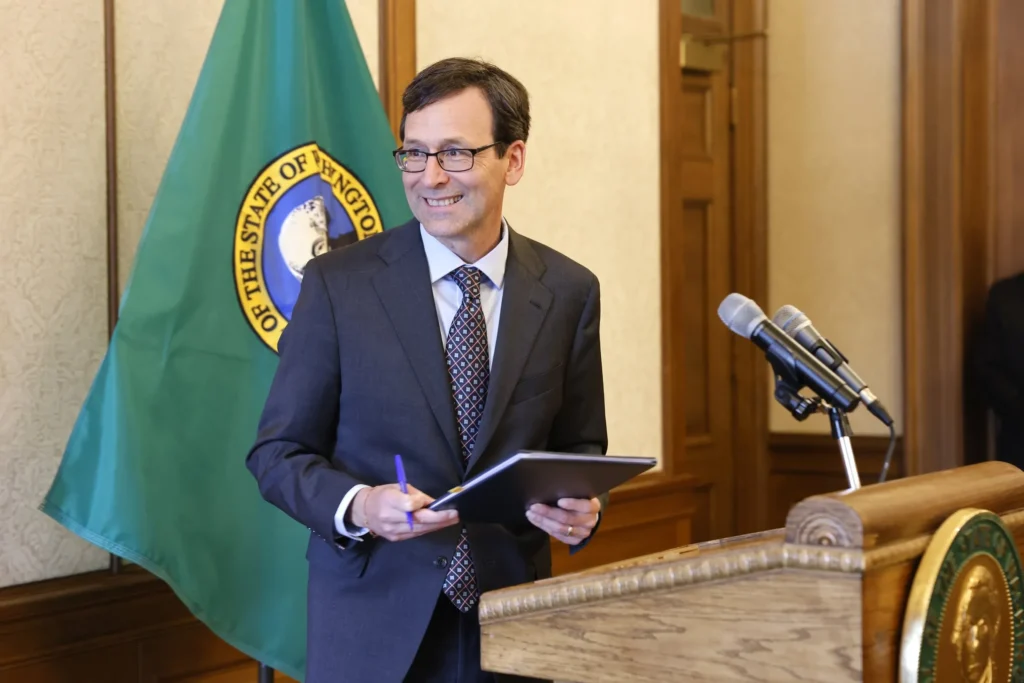
Gov. Bob Ferguson is asking the federal government to declare a major disaster in Washington after December’s historic flooding, seeking millions in assistance for families across 10 counties.
The formal request, submitted to President Donald Trump on Tuesday, centers on opening FEMA’s Individual Assistance program for residents in affected areas. Ferguson’s office estimates the need at $21.3 million to help families begin recovery from storms that struck between Dec. 5 and Dec. 22.
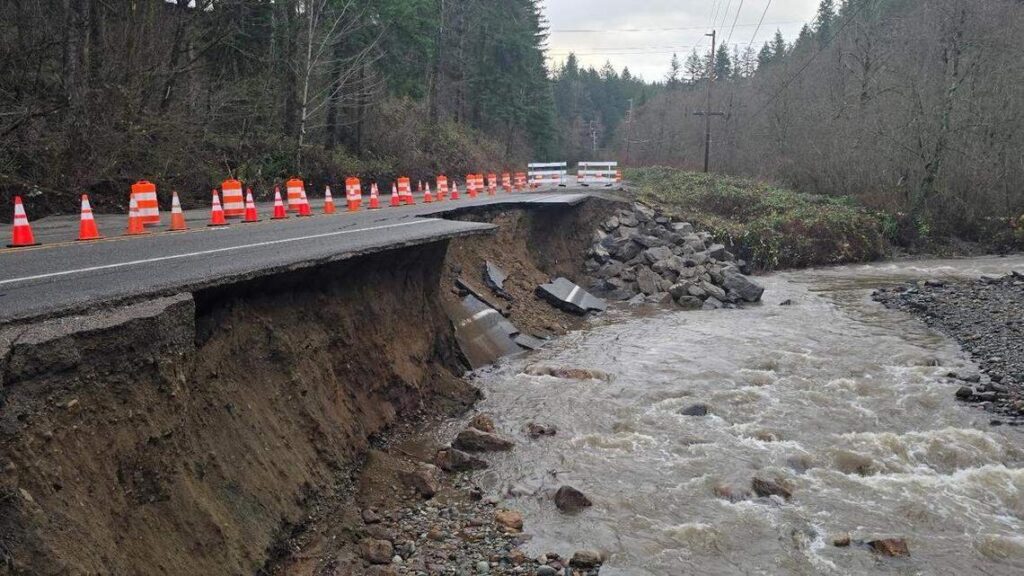
The numbers tell the story: more than 100,000 people evacuated, 383 emergency rescues conducted, nearly 4,000 homes damaged, one person died. Atmospheric rivers and winter weather systems hit repeatedly over 18 days, causing about 30 rivers to flood statewide. Three rivers reached their highest levels ever recorded: the Skagit, Snohomish, and Cedar.
FEMA’s Individual Assistance program provides limited support for housing repairs and temporary shelter. This isn’t insurance replacement or full coverage. It’s targeted help for unmet needs, the gaps between what insurance covers and what families can afford. If approved, residents would need to apply directly with FEMA. Eligible areas include Chelan, Grays Harbor, King, Lewis, Pacific, Pierce, Skagit, Snohomish, Thurston, and Whatcom counties, plus 15 federally recognized Tribal nations.
Nearly 3,900 homes sustained damage. About 440 were destroyed or suffered major damage, meaning families can’t return. Roughly 450,000 utility customers lost power. Levees and dikes were breached, sending water into residential neighborhoods, industrial areas, and agricultural land across western Washington.
Ferguson has already authorized $3.5 million in state emergency funding for immediate needs. The state’s Disaster Cash Assistance Program has distributed nearly $1 million to more than 2,600 households so far. During the crisis, Ferguson mobilized about 400 National Guard members for evacuations, rescues, and debris removal.
A separate request for federal funding to repair damaged public infrastructure will be submitted in February after officials complete a statewide damage assessment. That’s roads, bridges, water systems, public buildings: the backbone infrastructure that counties and cities can’t necessarily afford to fix on their own.
King County is among the 10 counties listed in the request. The Cedar River hit record levels. While Seattle proper didn’t face the same devastation as communities in Snohomish or Skagit counties, the regional impact affects supply chains, commutes, and the broader economy. The question now is whether the federal assessment matches the state’s damage estimates, and how quickly aid can reach families still displaced three weeks after the floods peaked.