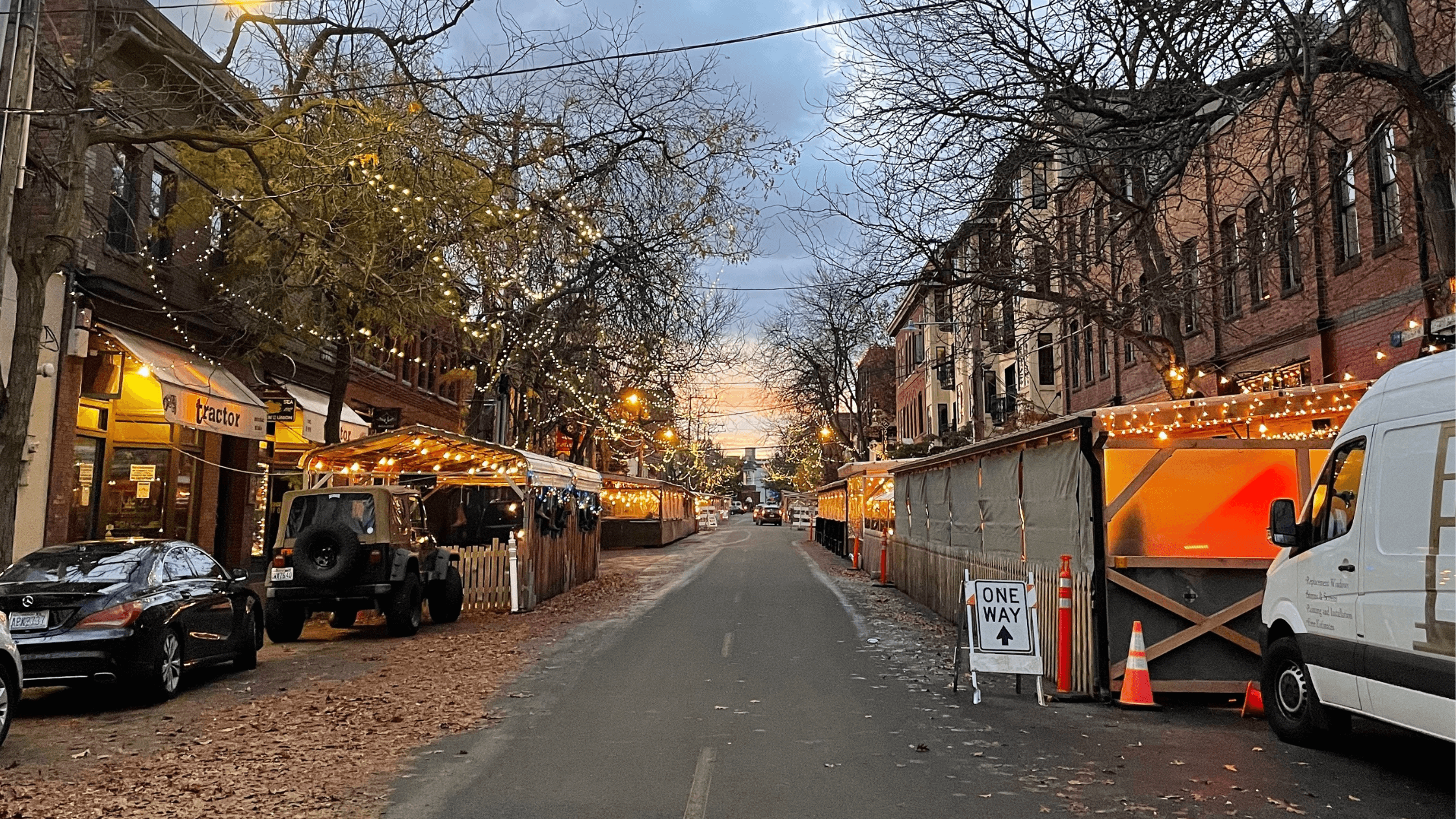
Walk through Ballard today and you’ll find coffee shops, boutiques, and some of the most sought-after real estate in Seattle. But beneath the polish of a modern neighborhood lies the story of a city that once stood entirely on its own and lost that independence not to politics, but to water.
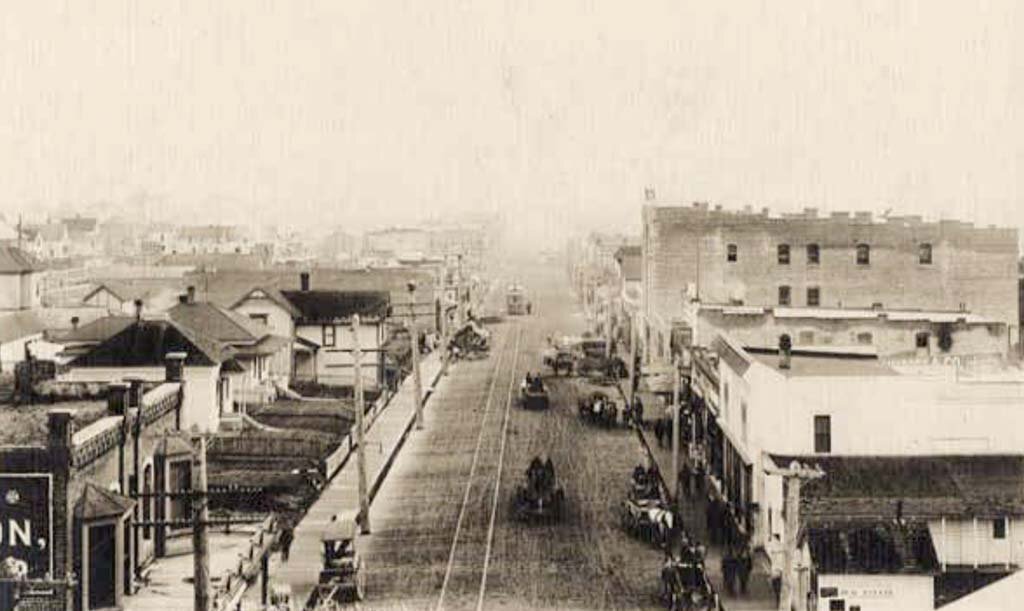
Ballard was first settled in the 1850s, and by the late 1800s it had grown into one of Washington’s most dynamic industrial centers. Fishing fleets crowded the waterfront. Lumber mills ran day and night. Shipyards drove commerce and attracted waves of immigrant workers, particularly from Scandinavia, who brought a culture of hard work and fierce self-reliance. That spirit shaped Ballard’s identity as much as any industry did.
By 1900, the city had nearly 17,000 residents and ranked as the seventh largest city in Washington state. It had its own mayor, its own city council, and a civic identity distinctly separate from Seattle. Ballard wasn’t a suburb or satellite. It was a city unto itself.
But success brought pressure. As the population grew, Ballard’s local water infrastructure couldn’t meet demand. In 1902, the city began drawing water from Seattle’s Cedar River water system, consuming millions of gallons annually. It was a practical solution that carried an uncomfortable implication: Ballard’s continued growth depended on Seattle’s resources.
That financial and infrastructural strain forced an uncomfortable question into public debate. Could Ballard realistically sustain itself as an independent city? In 1905, residents answered yes. They voted against annexation and chose to remain independent. It was a statement of civic pride as much as anything else.
The infrastructure problems didn’t share that pride. Fifteen months later, the pressure had become undeniable. In 1907, Ballard voters reversed course and approved annexation. The city that had built itself on independence officially became a Seattle neighborhood, not because the community wanted to give up its identity, but because it could no longer afford to maintain it.
Today, that history lives quietly in the background. A “Free Ballard” sticker on a laptop or storefront window might read as a joke to newcomers, but it carries real weight for those who know the story. Ballard was never just absorbed. It was a city that fought to stand alone and only relented when standing alone was no longer an option.