Iran withdrew its national soccer team from the upcoming World Cup citing security concerns tied to the Middle East war, throwing June matches scheduled for Seattle into uncertainty and drawing divided reactions from Iranian Americans who see athletes caught between politics and sport.
Iran’s minister of sports and youth announced the decision this week, saying the team would lack adequate security and player safety could not be guaranteed during U.S. travel. The withdrawal comes months before Iran was scheduled to face Egypt in Seattle. What happens to that match and other Iran fixtures remains unclear.
The announcement drew strong reactions from Seattle-area Iranian Americans, many expressing disappointment for athletes who qualified for the tournament only to see politics block their participation. “I’m totally disappointed for the players, frankly, who have worked so hard to get here,” said Etan Basseri, a local Persian American. “They’ve qualified for previous World Cups, and now they’re essentially being punished because of the decisions of this regime. Individuals, whether they’re Iranian, whether they’re Israeli, no matter who they are, should not be punished for the actions of their government.”

Ali Kimiai described conflicting emotions about Iran’s absence from a tournament he would normally follow closely. “I have this mixed feeling. I love soccer. I grew up with soccer. I still play soccer, and I like to be involved with the World Cup as much as I can, especially if the team representing Iran, where I was born, is playing,” Kimiai said. “But on the other hand, with all the atrocities that have happened over the past two to three months, it’s very hard to support the Iranian national team or the government right now.”
The withdrawal reflects broader tensions surrounding Iran’s national teams. Iran’s women’s team made headlines after players refused to sing the regime’s national anthem before their match in Australia. At least five players subsequently applied for asylum and received humanitarian visas rather than return home. The defections highlight the regime’s vulnerability when sending athletes abroad during political crises.
“The regime is also afraid of sending these teams out because they don’t know if they send them, are they going to join the opposition, are they going to apply for political asylum? It’s going to be a big disaster in terms of the propaganda,” said Shayan Arya, another Iranian-American in the Seattle area. Kimiai went further, arguing the Iranian people view current events not as war but “as liberation.”

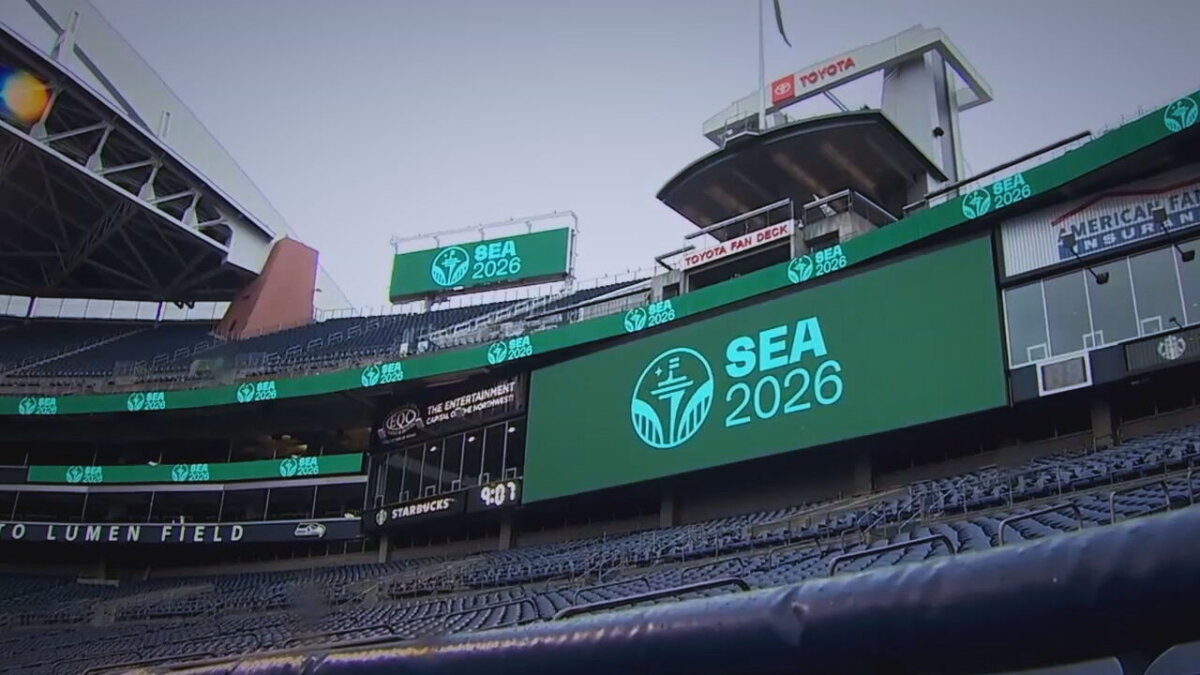
Officials with Seattle’s FIFA World Cup 2026 organizing committee said they haven’t received notice of schedule changes. “All match scheduling decisions rest with FIFA. At this time, SeattleFWC26 has not received any communication from FIFA indicating a change to our current match schedule, and our work continues uninterrupted,” officials said in a statement.
Some Iranian-Americans believe FIFA should ban Iran entirely rather than waiting for the regime to withdraw. “FIFA itself should ban the Iranian soccer team, because not less than two months ago, the regime committed the atrocity. They killed 30,000 people in two days, and I don’t think people should even allow the Iranian team to attend the World Cup,” Kimiai said.
President Donald Trump reportedly met with FIFA’s president earlier this week and said Iran’s team would be welcome to participate in the tournament. FIFA’s rules on replacing teams that withdraw remain unclear. If Iran doesn’t participate, countries such as Iraq or the United Arab Emirates could potentially take its place. For now, the fate of Iran’s scheduled World Cup matches, including the game planned in Seattle, remains uncertain.