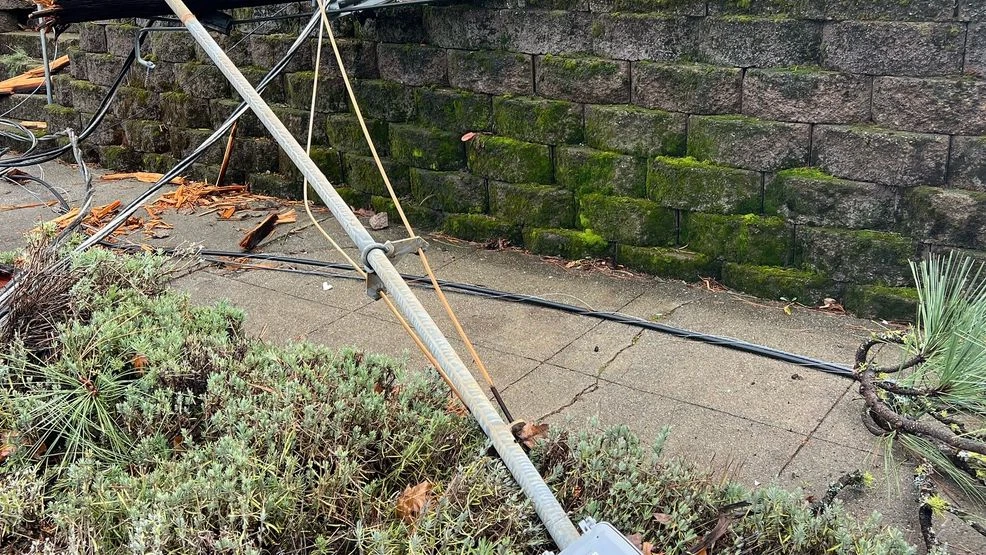
Nearly 11,000 people in Chelan County lost power Thursday, with the entire city of Leavenworth left without electricity as severe weather conditions damaged infrastructure across the region.
At approximately 9:30 a.m. Thursday, Chelan Public Utilities reported 13 total outages across the county, impacting 10,946 customers. Crews worked through the night to restore service, making substantial progress by Friday morning when 11 active outages remained affecting 3,834 customers.
The outages span multiple communities including Leavenworth, Peshastin, Plain, Dryden, Stehekin, Campbell Road, Tumwater Canyon, and South Wenatchee. Areas previously affected, including Chumstick, Lower Icicle Creek, Merrit, and Blewett Pass, have been restored and are no longer listed on the power outage map.
Chelan PUD estimates power restoration for Leavenworth by December 12 at 6 p.m., though this represents the same estimated time provided Thursday, suggesting residents may need to remain patient as crews navigate flooded terrain and fallen trees blocking access to damaged equipment.
Power for Plain, South Wenatchee, and Peshastin is estimated to be restored by Friday afternoon, offering relief to those communities ahead of Leavenworth.
The widespread outages resulted from severe weather that brought heavy rainfall, flooding, and high winds to Chelan County. These conditions toppled trees onto power lines and created hazardous working conditions for repair crews.
Leavenworth’s complete blackout presents particular challenges for the tourism-dependent city. The Bavarian-themed village relies heavily on holiday visitors, and the outage coincides with the peak Christmas season when thousands of tourists visit for the town’s famous lighting displays.
The nearly 11,000 customers initially affected represents a significant portion of Chelan County’s population. The county has approximately 77,000 residents, meaning roughly one in seven people lost power during the peak of the outage event.
The overnight restoration work that reduced outages from nearly 11,000 to fewer than 4,000 customers demonstrates substantial effort by utility crews. Restoring power to more than 7,000 customers in less than 24 hours required mobilization of significant personnel and equipment resources.
The 13 separate outage locations indicate the widespread nature of the damage rather than a single catastrophic failure. Multiple simultaneous outages complicate repair efforts by spreading crews across large geographic areas.
The restoration of Chumstick, Lower Icicle Creek, Merrit, and Blewett Pass areas shows progress on more accessible or less severely damaged sections of the grid. Utility companies typically prioritize repairs that restore the most customers or address the easiest fixes first.
The flooded terrain mentioned as complicating repair work reflects the atmospheric river event that saturated the region. Standing water prevents access to some damaged equipment and creates safety hazards for workers.
Downed trees represent a dual challenge: they must be cleared to access damaged power lines, and in many cases, the trees themselves caused the damage by falling on electrical infrastructure. Chain saw crews often must work ahead of electrical repair teams.
The extended restoration timeline for Leavenworth compared to other communities suggests either more severe damage or more difficult access conditions in that area. Tumwater Canyon, which serves as a major access route, may have sustained damage affecting crew mobility.
Stehekin’s inclusion on the outage list is particularly notable given the community’s remote location. Accessible only by boat, floatplane, or hiking, Stehekin presents unique challenges for power restoration requiring specialized logistics.
The December timing amplifies the impact of power outages. Winter darkness means longer periods without light, while cold temperatures create heating concerns for residents without electricity. Many homes in the region rely on electric heat pumps or forced-air systems requiring electricity.
Leavenworth residents without power face additional challenges beyond heating and lighting. The outage affects water systems, refrigeration, communications, and all modern conveniences dependent on electricity.
The tourism economy takes a direct hit when power failures occur during peak visitor season. Hotels, restaurants, and shops cannot operate normally, potentially leading to cancellations and lost revenue during the most profitable time of year.