Mayor Katie Wilson is asking Seattle voters to approve a new 0.3% transit sales tax, doubling the current rate, to fund expanded bus service, free transit passes for lower-income residents, and a range of transportation improvements over the next decade.
The proposal, announced Tuesday, would replace the existing 0.15% Seattle Transit Measure sales tax, which expires in March 2027. If approved by the Seattle City Council and placed on the ballot, the new tax would take effect in 2027 and remain in place for ten years. City officials estimate it would generate an average of $138 million annually. The cost to the median two-person Seattle household would be approximately $58 per year, up from roughly $29 under the current measure.
Wilson framed the investment as essential to making Seattle more liveable and affordable. “The Seattle Transit Measure is one of the reasons why the bus is an irresistibly good way to get around Seattle,” Wilson said. “Transportation is one of the biggest costs for most families, so these investments are essential to make our city more affordable so Seattleites can get to jobs, opportunities, and each other without a car.”
Under the proposal, the city would increase bus service funding by approximately 50%, paying for 280,000 King County Metro bus trips annually, around 100,000 more than are currently funded through the existing measure. The expanded tax would also provide 22,000 free ORCA transit passes for qualifying lower-income residents over ten years, more than doubling the number available through current city programmes.
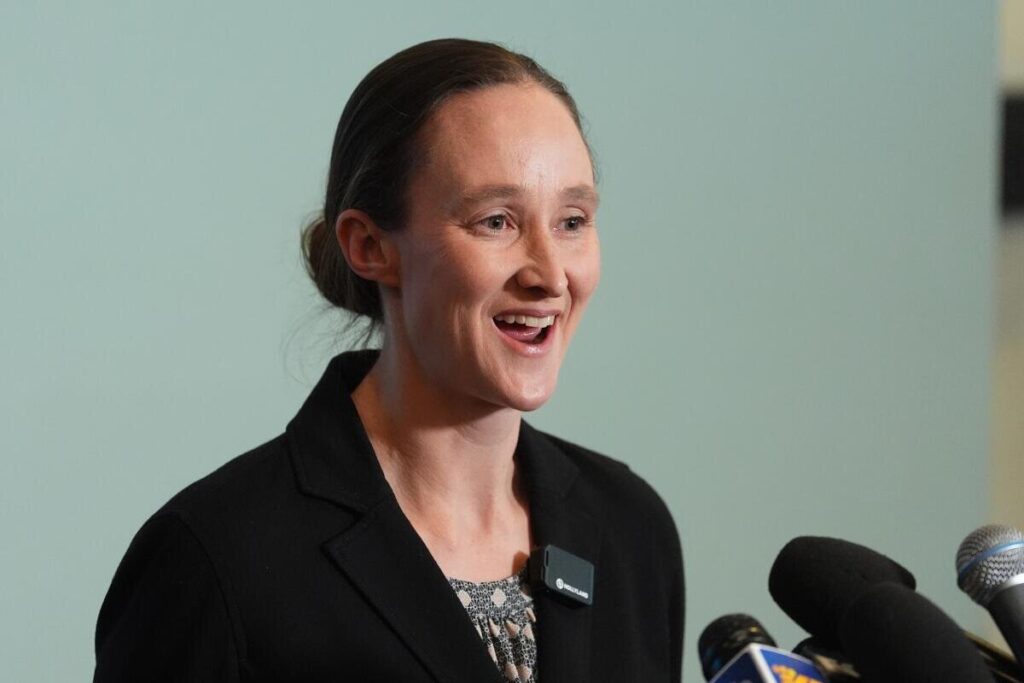
SDOT Acting Director Angela Brady said the measure is designed to serve riders beyond the traditional commuting window. “The Seattle Transit Measure bolsters transit service so our buses and streetcars run more frequently throughout the day and night,” Brady said. “People need to get around at all times of the day, and not everyone works a 9-to-5 job.”
Beyond bus service, the proposal would fund projects aimed at reducing transit delays, improving bus stop accessibility, and providing local support for major Sound Transit expansion projects including the West Seattle Link Extension, Ballard Link Extension, and Graham Street Station. The announcement comes days after the Sound Transit Board approved a revised 25-year expansion plan that keeps light rail extensions to West Seattle, Tacoma, and Everett moving forward while deferring full funding for the Ballard extension due to rising costs and a multibillion-dollar budget gap.
The proposal builds on the original Seattle Transit Measure that voters approved in 2020 with 80% support. The city currently uses the majority of that revenue to purchase additional King County Metro service during off-peak hours. The expanded measure was developed through public outreach including surveys, community events, and consultation with transportation advisory groups.
The Seattle City Council will review the proposal, take public comment, and decide whether to place it before voters. If approved, it would represent one of the most significant expansions of city-funded transit investment in Seattle’s recent history, arriving as the region navigates a major light rail expansion, prepares for continued population growth, and manages the transportation demands of this summer’s FIFA World Cup.