Meta will lay off 331 workers in the Seattle area and Washington state as part of broader reductions in the company’s Reality Labs division, according to a filing from the state Employment Security Department. The company is cutting employees at four facilities in Seattle and the Eastside, plus approximately 97 remote workers in Washington. The layoffs are part of reductions impacting 1,500 jobs companywide in Reality Labs, first announced last week, with cuts taking effect March 20.
The heaviest hit facility is the Reality Labs office in Redmond, followed by the Spring District office in Bellevue, according to the Worker Adjustment and Retraining Notification filing. Meta’s Horizon OS software engineering team working out of a Dexter Avenue North office in Seattle was the hardest hit single group with 20 jobs cut. Horizon OS is the extended reality operating system developed to power Meta Quest virtual reality and mixed reality headsets.
The cuts reflect Meta’s reported shift in priorities away from the metaverse to build next-generation artificial intelligence. With about 15,000 employees, Reality Labs currently represents roughly 19% of Meta’s total global workforce of about 78,000. The company employs thousands across multiple Seattle-region offices, one of its largest engineering hubs outside Menlo Park. Last October, Meta laid off more than 100 Washington state employees as part of cuts within its artificial intelligence division.
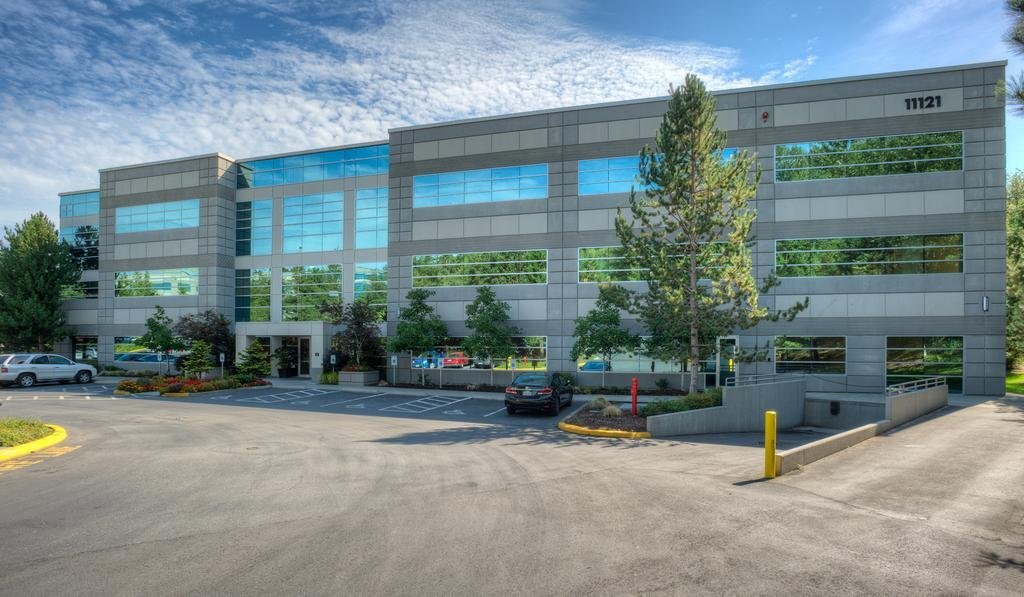
The concentration of layoffs at Redmond’s Reality Labs facility demonstrates how Meta’s metaverse retreat disproportionately affects Seattle-area operations built around virtual reality hardware and software development. Whether remaining employees continue VR work at reduced scale or whether entire product lines are being wound down affects whether this represents optimization or abandonment of the metaverse vision that CEO Mark Zuckerberg championed through tens of billions in losses.
The Horizon OS team cuts are particularly significant because the operating system represents foundational technology for Meta’s VR ecosystem. Whether the 20-person reduction eliminates the entire team or represents partial staffing decrease affects whether Meta continues developing its VR operating system or shifts to maintaining existing code without major new features. The company had promoted Horizon OS as platform that could power third-party VR devices beyond Meta’s own Quest headsets, potentially creating ecosystem similar to Android in smartphones.
The timing of cuts taking effect March 20 provides roughly two months notice, meeting federal WARN Act requirements but creating immediate uncertainty for affected workers who must begin job searches in a tech labor market that has seen widespread layoffs. Whether Meta provides severance packages beyond minimum legal requirements, whether affected employees receive assistance finding new positions, and whether the company facilitates internal transfers to other divisions affects individual outcomes beyond the raw headcount reduction.

The 331 Washington layoffs represent roughly 22% of the 1,500-person companywide Reality Labs reduction, suggesting Seattle-area operations are being cut proportionally to overall division rather than being targeted for closure or protected from cuts. Whether that proportionality reflects strategic decisions about which locations and functions to maintain or simply across-the-board percentage reductions affects interpretation of Seattle’s role in Meta’s future plans.
Meta’s reported priority shift from metaverse to artificial intelligence follows broader tech industry pattern where generative AI displaced VR and crypto as the dominant investment theme. Whether that shift represents genuine strategic pivot based on market feedback showing limited consumer appetite for VR, or whether it represents chasing the latest trend without addressing underlying issues that doomed metaverse investments, affects confidence in Meta’s strategic direction.
The company’s October layoffs of more than 100 Washington employees in its AI division demonstrates that even growth areas aren’t immune to cuts, though the scale differs dramatically. Whether AI division cuts represented typical performance management eliminating underperformers, or whether they signaled that even priority initiatives face cost pressures, affects interpretation of where Meta views sustainable employment levels across different business units.