
Microsoft’s requirement that employees show up in the office three days a week has slowed traffic significantly on highways connecting Seattle and the Eastside, with morning commute speeds dropping as much as 35% on some routes, according to new data from traffic analysis company Inrix.
Inrix measured travel speeds on eastbound and westbound SR 520 and southbound and northbound I-405 during the weeks of Feb. 23 and March 2. Many of Microsoft’s more than 50,000 employees in the region rely on the roadways and bridges connecting Seattle and the Eastside to the company’s headquarters campus in Redmond.
The data shows speeds on SR 520 dropped across all days during the first week, with Tuesday, Wednesday, and Thursday showing the slowest travel speeds at just over 30 mph. Morning commute speeds between Tukwila and Bellevue fell as much as 35% and as much as 25% between Lynnwood and Bellevue. The evening commute saw speed drops as much as 27% between Bellevue and Tukwila on Friday while speeds fell 21% northbound between Bellevue and Lynnwood, Inrix reported.
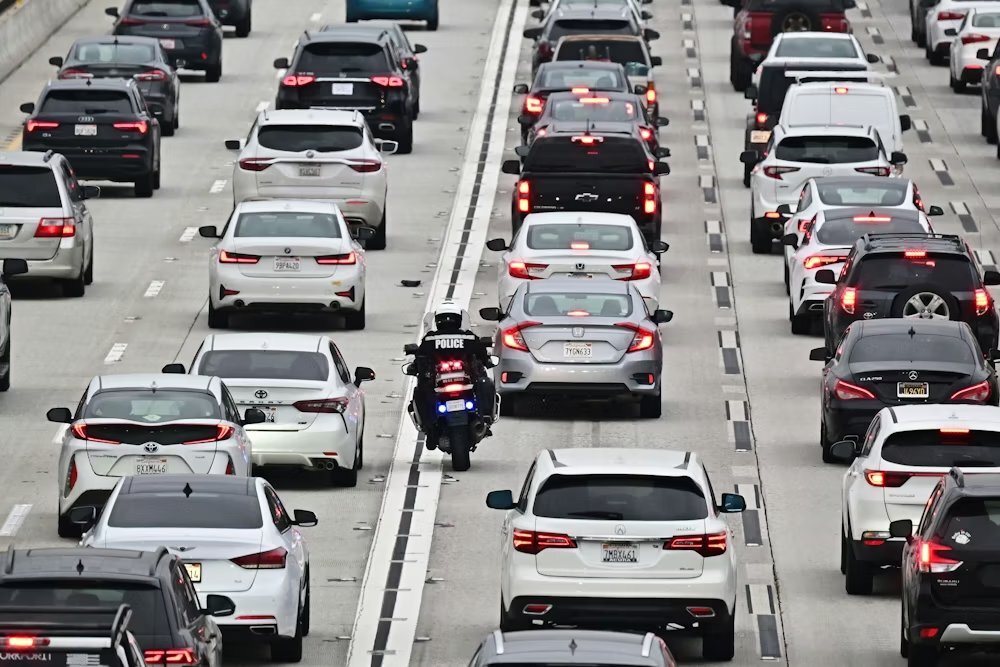
Microsoft isn’t dictating which three days people need to be in the office. Specifics are left to individual teams and managers. Some groups may require more than three days, and certain customer-facing roles like field sales and consultants are exempt.
The region’s roadways could get relief when Sound Transit’s Crosslake Connection opens March 28, finally linking Seattle and the Eastside by light rail across Lake Washington and connecting downtown Seattle to downtown Bellevue and the Redmond Technology station at Microsoft headquarters.
The traffic slowdowns demonstrate how major employers’ return-to-office policies ripple through regional transportation networks, particularly when tens of thousands of workers shift from remote work to commuting simultaneously. The impact falls heaviest on corridors serving large employment centers, where concentrated arrival and departure times overwhelm highway capacity during traditional rush hours.