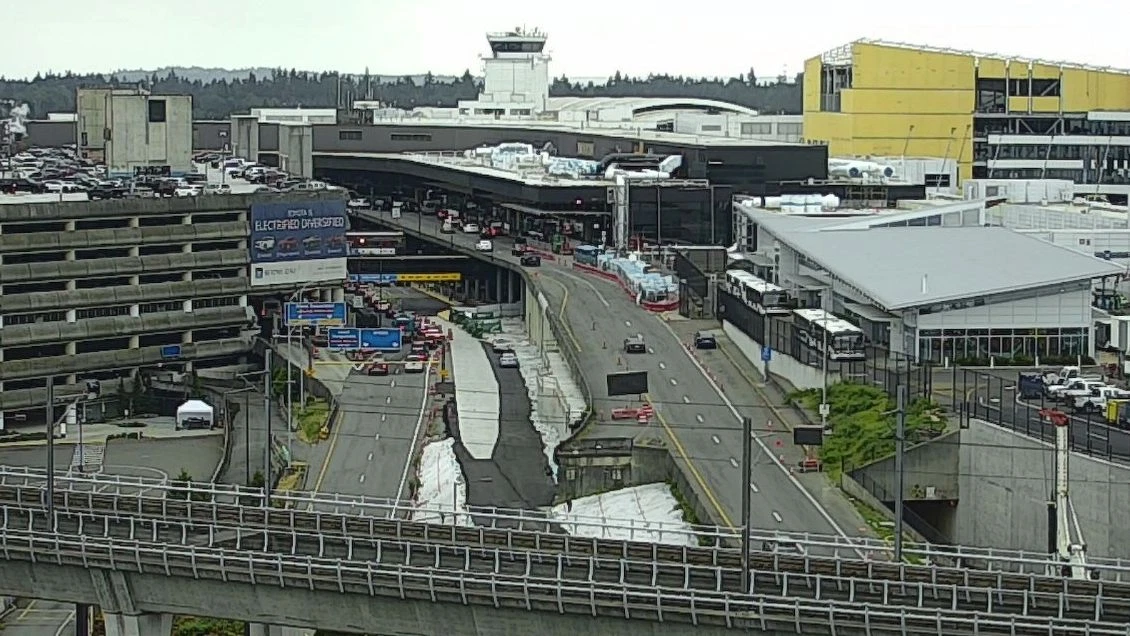
A crack in the Olympic Pipeline generated significant concern for fuel deliveries to Seattle-Tacoma International Airport on Sunday, prompting airlines to consider fuel conservation measures.
The crack was located in a section of pipe near Everett.
Airport officials warned carriers they might need to ferry fuel into Seattle, a practice where planes load extra fuel at their departure city to ensure they have enough for subsequent flights without refuelling at SEA.
Despite the initial alarm, SEA officials assured they had sufficient reserves and did not anticipate major impacts on Monday.
By 5 p.m., the Port of Seattle announced the issue had been resolved, and airport operations were back to normal with no delays reported. Specific details about the pipeline incident are expected to be provided by BP.
The Olympic Pipeline crack near Everett represents a critical vulnerability in the fuel infrastructure supporting Seattle-Tacoma International Airport, one of the busiest airports in the Pacific Northwest serving millions of passengers annually. The pipeline, which transports refined petroleum products including jet fuel from refineries in northwest Washington to distribution terminals throughout the Puget Sound region, constitutes essential infrastructure without which airport operations could face severe disruption.
The discovery of a crack in the pipeline near Everett, positioned strategically between refineries in Whatcom County and major consumption centres including SEA Airport, immediately triggered concern because any interruption in jet fuel deliveries could cascade into flight cancellations, delays, and operational chaos affecting thousands of travellers. Modern commercial aviation operates on tight fuel management schedules with airports maintaining limited on-site storage, making continuous pipeline deliveries essential for normal operations.
The airport officials’ warning that carriers might need to implement fuel ferrying demonstrates the seriousness with which the potential disruption was initially assessed. Fuel ferrying, whilst a standard contingency procedure, creates operational inefficiencies as aircraft carry extra weight in fuel that reduces payload capacity for passengers and cargo, increases fuel consumption during flight, and complicates flight planning and weight-and-balance calculations.
The practice of ferrying fuel also generates cascading logistical challenges throughout airline networks. Aircraft arriving at SEA with extra fuel from departure cities must coordinate with ground operations to ensure they can safely land with heavier weights, whilst departure airports must accommodate requests for above-normal fuelling quantities that could strain their own supply systems if multiple carriers simultaneously implement ferrying for Seattle-bound flights.
SEA officials’ assurance that sufficient reserves existed and major Monday impacts were not anticipated reflects the airport’s fuel storage capacity and inventory management systems designed to provide buffers against supply disruptions. Major airports typically maintain underground fuel tank farms capable of storing millions of gallons, providing several days of operational reserves that allow time to arrange alternative supply methods or repair infrastructure failures.
The 5 p.m. announcement by the Port of Seattle that the issue had been resolved and operations returned to normal indicates the pipeline operator, BP, successfully addressed the crack through emergency repairs, isolation of the affected section, or rerouting through redundant pipeline segments. The rapid resolution, occurring within hours of the initial concern, prevented the fuel conservation measures from becoming necessary and avoided passenger-facing impacts.
The expectation that BP will provide specific details about the pipeline incident reflects standard protocol for infrastructure operators to document and disclose information about failures affecting public safety and critical services. These disclosures typically include technical information about the crack’s cause, whether from corrosion, material defect, or external damage, the repair methodology employed, and measures implemented to prevent recurrence.
Pipeline cracks can result from various factors including age-related corrosion where protective coatings deteriorate allowing moisture contact with steel, manufacturing defects in pipe materials or welds that manifest over time, ground movement from seismic activity or soil settlement creating stress concentrations, or external damage from construction activities or other disturbances near the pipeline route.