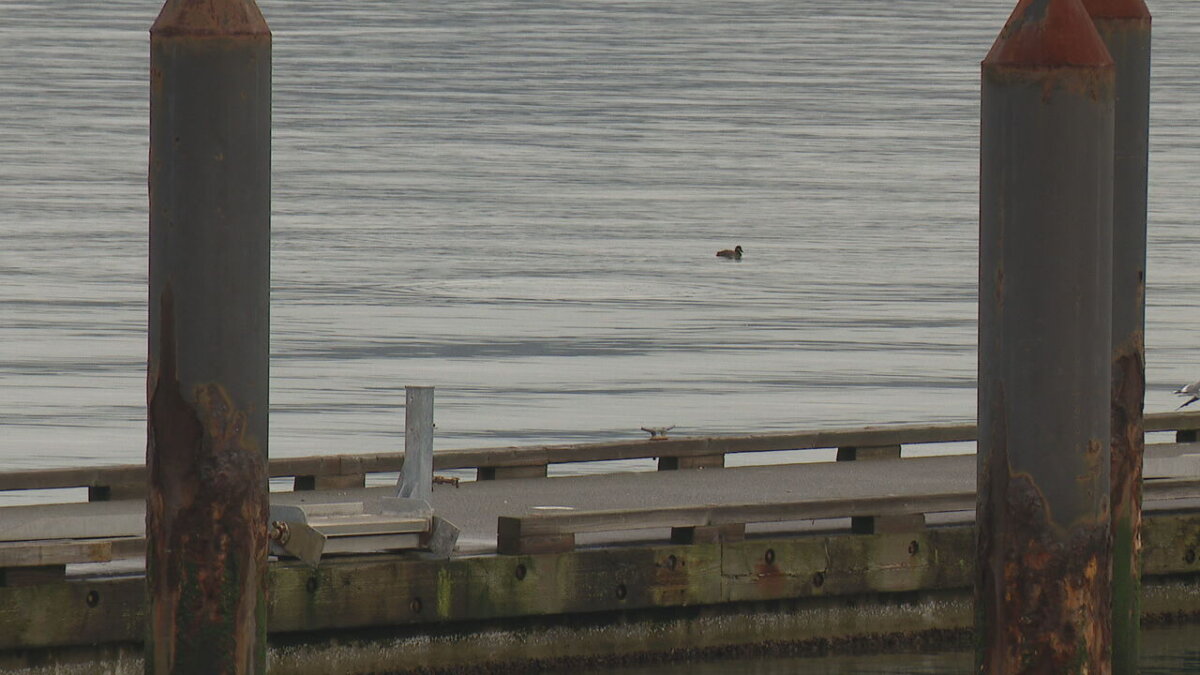
Three beaches in Pierce County are under a marine beach warning advisory after water samples revealed high levels of bacteria, the Tacoma-Pierce County Health Department announced Tuesday.
Health department officials are asking people not to swim or wade at Thea’s Park and Jack Hyde Park in Tacoma and Jerisich Dock in Gig Harbor while the advisory remains in effect.
Advisory signs have been posted at all three locations, and the health department will continue to monitor bacteria levels, officials said.
High levels of bacteria can increase the risk of gastrointestinal illness if people come into contact with the contaminated water, health department officials said.
The simultaneous advisories at three separate locations suggest either a widespread contamination event affecting Puget Sound waters or localized problems at each site coinciding at the same time.
Thea’s Park and Jack Hyde Park both being in Tacoma indicates that Commencement Bay may be experiencing elevated bacteria levels from stormwater runoff, sewage overflows, or other sources. Heavy rainfall can wash bacteria from streets, lawns, and failing septic systems into the bay.
Jerisich Dock in Gig Harbor being affected separately from the Tacoma locations suggests a distinct contamination source in that area, possibly related to local stormwater discharge or marine facilities.
The bacteria levels measured in these water samples likely exceeded state standards for fecal coliform bacteria, which indicate the presence of sewage or animal waste contamination. While fecal coliform bacteria themselves aren’t always harmful, their presence signals that dangerous pathogens may also be present.
Gastrointestinal illness from swimming in contaminated water typically presents as stomach cramps, diarrhea, nausea, and vomiting. Symptoms usually appear within one to three days after exposure and can last several days.
Children, elderly individuals, and people with weakened immune systems face higher risk of severe illness from waterborne bacteria. Even healthy adults can become seriously ill if they swallow contaminated water or get it in their eyes, nose, or mouth.
The advisory applies to swimming and wading, which involve direct body contact with the water. The health department didn’t mention restrictions on boating or fishing, though people should avoid activities that might result in water contact.
The continued monitoring the health department mentioned will involve collecting new water samples and testing them for bacteria levels. If levels drop below the state threshold for several consecutive tests, the advisory can be lifted.
The timing of the advisory near Christmas raises questions about whether holiday-related activities or weather contributed to the contamination. Winter storms often trigger bacteria spikes by overwhelming stormwater systems.